A vase is rarely just a vessel for flowers. It can set the mood of a dining table, bring softness to a console, or give a quiet corner the finishing touch it has been missing. This vase guide is designed to help you choose pieces with intention, then style them in ways that feel personal, polished, and beautifully at home.
The most memorable rooms are not filled with decoration for decoration’s sake. They are composed through shape, texture, proportion, and moments of contrast. A well-chosen vase offers all four. Whether it holds a generous bouquet for a dinner party or stands empty as a sculptural accent, it can make everyday rituals feel more considered.
Start With the Role Your Vase Will Play
Before choosing a shape or finish, consider where the vase will live and what it needs to do. A vase for a dining table has different demands from one placed on a mantel or side table. On the table, the arrangement should leave space for conversation and shared dishes. On a console, the vase can be taller, more expressive, and designed to catch the eye from across the room.
Think of a vase as either a supporting detail or a focal point. A slim bud vase beside a place setting is a supporting detail. A wide, hand-finished vessel filled with sculptural branches is a focal point. Both can be equally elegant, but they need different levels of visual presence.
There is also beauty in choosing a vase that does not need flowers at all. A patterned ceramic silhouette, a rippled glass form, or a vessel in a rich, earthy finish can read as art when placed on a stack of books or paired with a framed photograph. This approach works especially well in rooms where you want texture without adding visual clutter.
Choose Vase Shape by Flower Style
The shape of a vase determines how flowers sit, spread, and move. It is tempting to select by color alone, but the opening and body of the vessel matter just as much. A beautiful bouquet can look unruly in the wrong silhouette, while a simple gathering of stems can appear intentional in the right one.
Bud Vases for Small, Personal Gestures
Bud vases have narrow openings designed for one to three stems. They are ideal for a single rose, a cutting from the garden, or a sprig of fragrant foliage. Place several along the center of a table for a gathered, intimate look that never obstructs sightlines.
Their charm lies in restraint. A group of bud vases can add color to a luncheon or celebration without competing with the dinnerware, glassware, or serving pieces. Keep the flowers varied but connected by a common palette, such as blush, burgundy, and soft green.
Cylinder Vases for Clean, Upright Stems
A cylinder vase suits flowers with strong vertical lines, including tulips, gladiolus, delphiniums, and long-stemmed roses. Its straight sides create a clean, tailored effect that feels especially at home in contemporary interiors or formal table settings.
Choose a taller cylinder for an entry console or fireplace mantel. For the table, a shorter version is usually more practical. The goal is to create impact without making guests lean around the arrangement to speak to one another.
Rounded Vases for Generous, Romantic Arrangements
Round or globe-shaped vases encourage flowers to fall softly outward. They work beautifully with hydrangeas, peonies, dahlias, ranunculus, and garden roses, all of which benefit from a fuller, more relaxed presentation.
These silhouettes lend warmth to dining rooms and living spaces because their curves soften the straight lines of furniture. A rounded vase in colored glass or richly glazed ceramic is particularly lovely when entertaining, as it adds depth even before the flowers arrive.
Wide-Mouthed Vases for Branches and Seasonal Styling
Wide openings suit loose branches, flowering stems, palms, and dramatic foliage. They are naturally more architectural, which makes them useful for styling an entryway, a large sideboard, or the center of a spacious dining table.
The trade-off is that wide-mouthed vessels can make delicate flowers splay too far apart. If you are using lighter stems, create a simple grid across the opening with clear floral tape or choose a smaller bunch with stronger stems. Let the arrangement retain some air around it rather than packing every inch.
Scale Creates the Difference Between Styled and Crowded
Proportion is often what separates a lovely object from one that feels misplaced. A vase should relate to the surface beneath it, the ceiling height above it, and the objects around it. A tiny vase on a large dining table can disappear, while an oversized arrangement on a coffee table can overwhelm the room.
For a dining table, keep low arrangements below eye level unless the table is especially long and the centerpiece is placed where it will not interrupt conversation. Long, low compositions often feel more generous than a single tall arrangement because they echo the shape of the table and leave room for candlelight, platters, and glassware.
On a coffee table, use a lower vessel with a rounded or substantial profile. It should add interest without blocking the view across the room. A console or sideboard can carry more height, especially if there is open wall space above it. Here, a tall vase with branches can create an elegant vertical gesture.
When arranging more than one vase, vary their heights rather than matching everything precisely. A small, medium, and tall grouping feels collected and natural. Tie the composition together with a shared material, color family, or floral palette.
Material and Color Set the Mood
Clear glass is timeless because it lets stems, water, and the natural curve of flowers become part of the display. It feels fresh and light, particularly in sunlit rooms. It also asks for a little more care, since cloudy water and visible cut stems can quickly diminish the effect.
Ceramic brings a more grounded, decorative quality. A glossy white vase creates a crisp backdrop for colorful flowers, while a matte clay or stoneware finish can make foliage and branches feel more organic. Patterned ceramic is a natural choice when the vase will be displayed empty between occasions.
Metal vessels offer a more formal note, especially in warm brass, antique gold, or silver-toned finishes. They pair beautifully with candleholders, polished serveware, and evening tablescapes. Still, use them thoughtfully. A highly reflective vase can become visually busy when combined with patterned linens, ornate plates, and abundant florals.
Color does not need to match the room exactly. Often, the most sophisticated choice is a vase that creates a quiet contrast. A deep green vessel can enliven a neutral dining room. A cobalt or saffron accent can add energy to a restrained table. Let one color recur elsewhere, perhaps in a napkin, placemat, artwork, or a single bloom, so the room feels connected rather than coordinated too literally.
Style Flowers With a Little Breathing Room
The most inviting arrangements look composed, not forced. Start with foliage or branches to establish shape, then add your focal flowers, and finish with lighter stems that move at the edges. Turn the vase as you work so every angle feels balanced.
Avoid cutting every stem to the same height. A slight variation gives the arrangement dimension and allows each flower to be seen. If the vase is opaque, remove any leaves that would sit below the waterline. If it is clear, take extra care with stems and water, since the vessel reveals every detail.
For an effortlessly elevated table, repeat a flower color across several small arrangements rather than placing one oversized bouquet in the middle. White blooms and green foliage feel classic, but a more expressive palette can be equally refined when it has a point of view. Consider deep red and plum for an evening gathering, citrus tones for a celebratory lunch, or soft blue and cream for a calm weekend table.
Let the Vase Belong to the Whole Setting
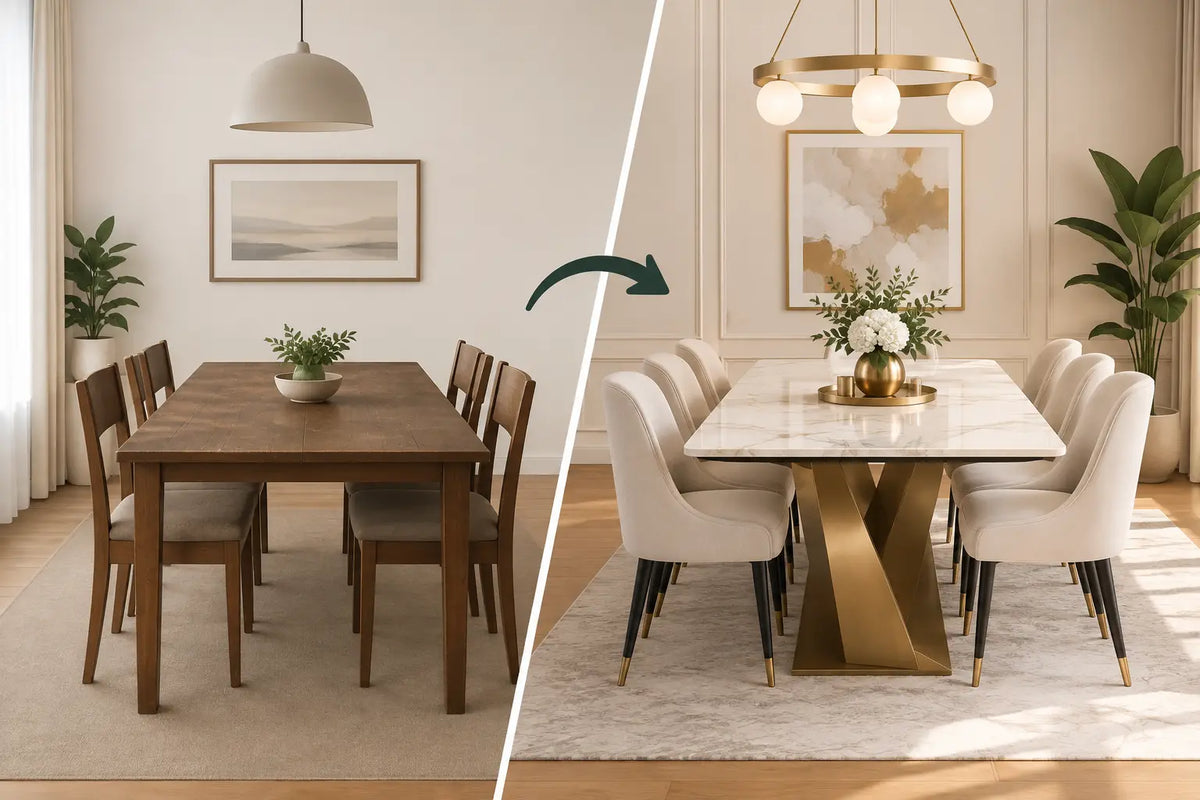
A vase looks most at ease when it speaks to the rest of the room. On a dining table, consider the relationship between the floral arrangement and your placemats, candleholders, serving trays, napkin rings, and glassware. You do not need everything to match. In fact, a mix of finishes often creates more character. What matters is a shared thread, whether that is color, warmth, pattern, or material.
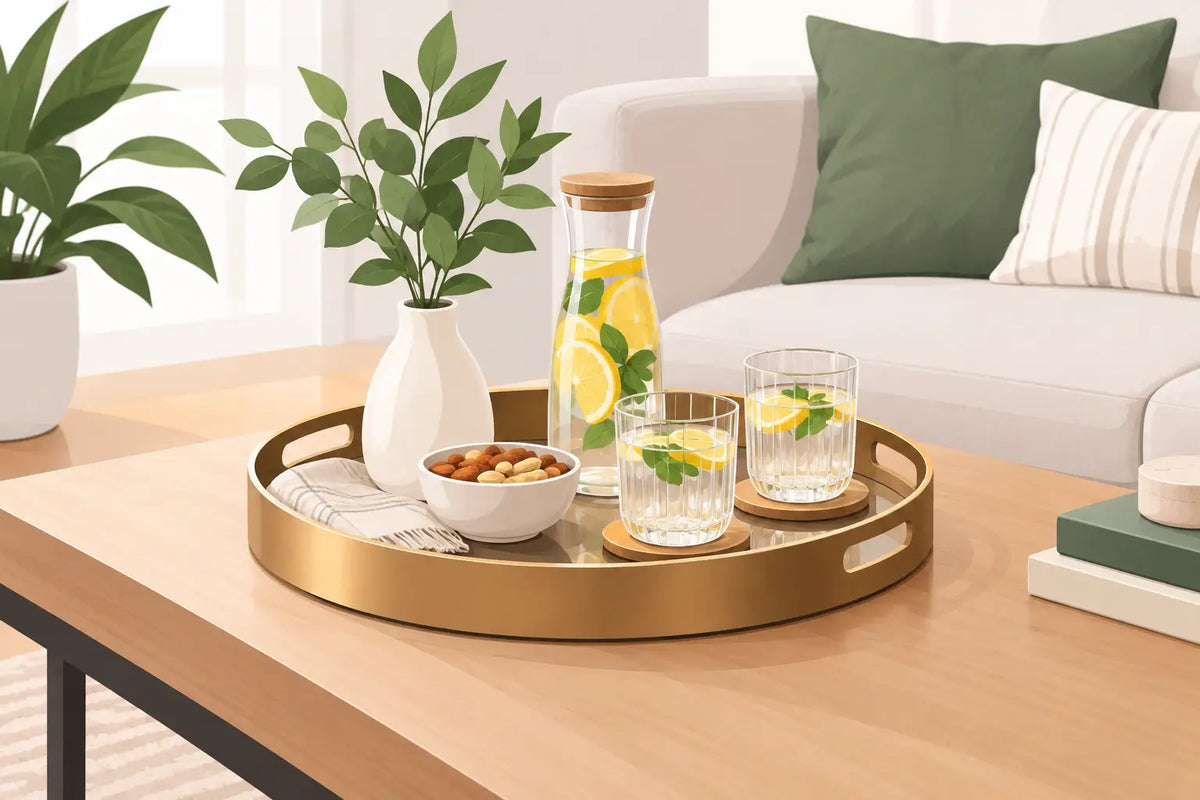
For a living room, place a vase where it can create a small visual pause: beside a lamp, at the end of a bookshelf, on a coffee table with art books, or near a framed memory. Give it enough open space to be noticed. A meaningful home is not one where every surface is filled. It is one where each chosen object has room to tell its story.
Refresh flowers before they begin to fade, rinse the vessel thoroughly, and try a new branch or bloom when the season changes. The right vase will keep offering new possibilities, inviting you to mark ordinary mornings, long lunches, and evenings with friends with a little more beauty.