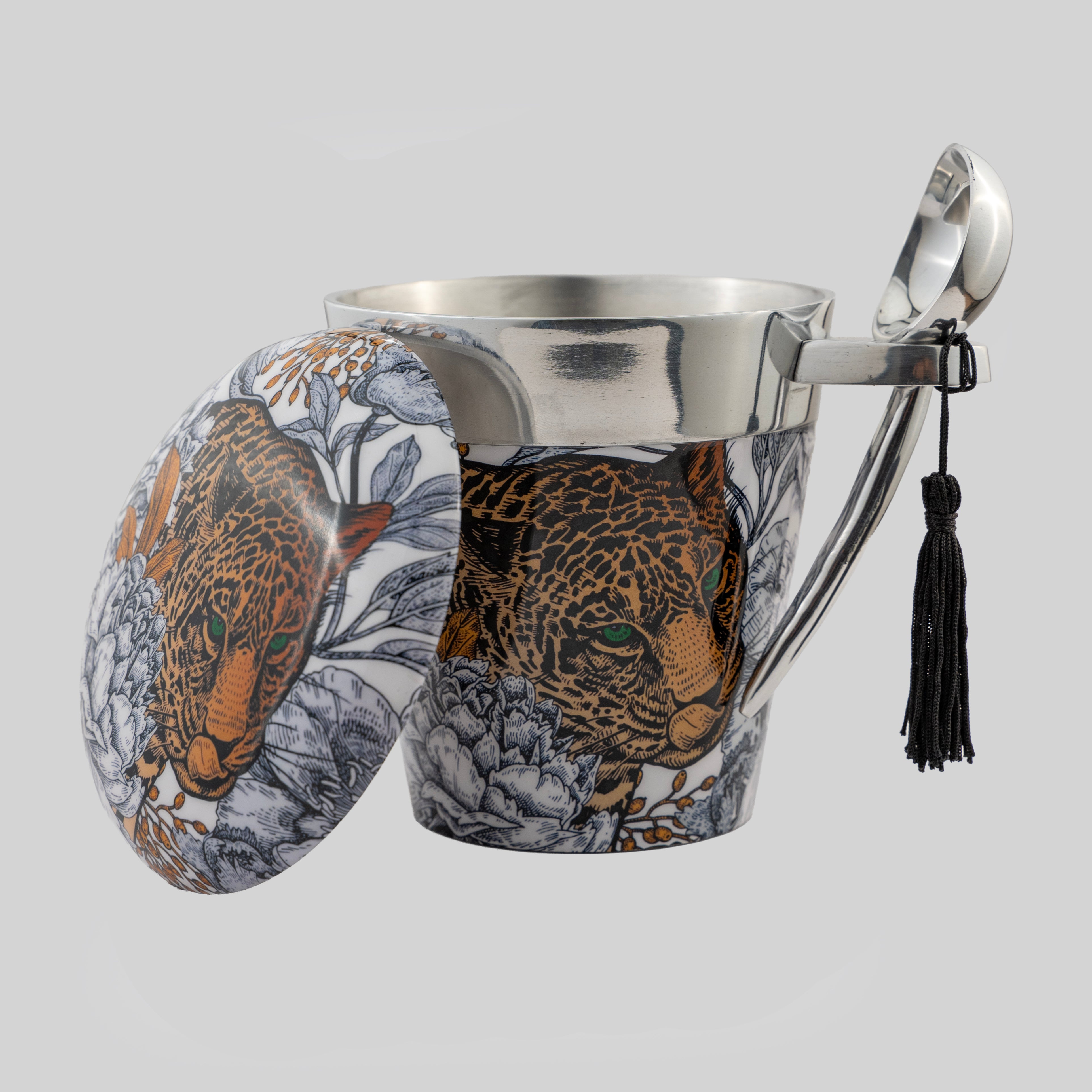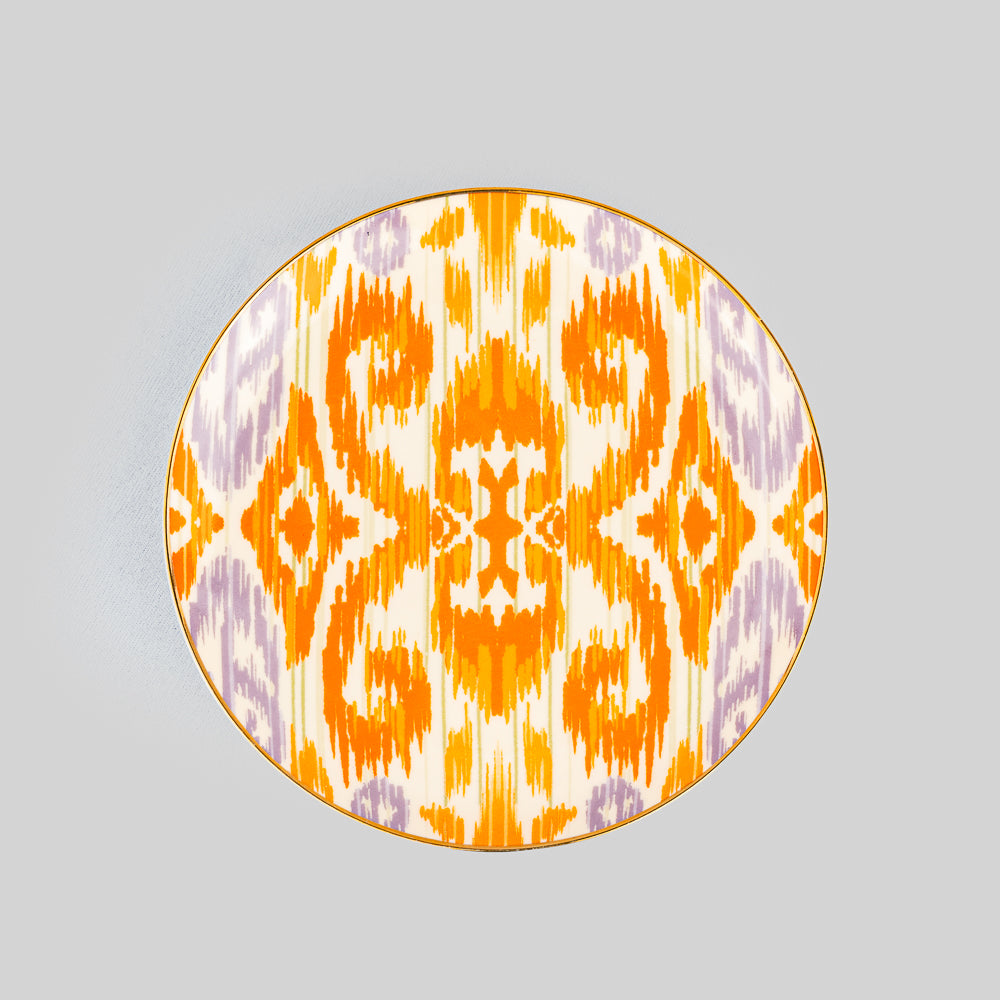


A coffee table is rarely just a surface. It is where a guest sets down a glass, where a favorite art book waits to be opened, and where the character of a living room comes into focus. This guide to styling coffee table accents is about creating a composition that feels collected rather than crowded, polished without becoming precious, and personal enough to invite a closer look.
The most compelling tables do not rely on one expensive object or a perfectly matched set. They balance useful pieces with beautiful ones, and leave enough room for life to happen around them. Think of your coffee table as a small, changing still life: a place to layer color, material, memory, and occasion.
Begin With the Table’s Proportions
Before selecting accents, take a moment to read the table itself. A broad rectangular coffee table can carry a longer arrangement or two distinct groupings. A round table usually looks best with a central composition that follows its softer silhouette. On an ottoman-style table, a structured tray becomes especially helpful, giving smaller objects a defined place to land.
Scale is the detail that separates an intentional arrangement from a collection of scattered pieces. A small bowl can disappear on a generous table, while oversized accessories can make a compact living room feel crowded. Let the table’s size set the pace. As a rule, keep the center of the table visually active while preserving clear edges for a coffee cup, remote, or serving glass.
Consider the height of the seating around it, too. Low sofas and lounge chairs suit low, relaxed arrangements. A tall floral branch or towering sculpture may interrupt sightlines between guests. If the coffee table is primarily used for conversation and entertaining, choose accents that sit below eye level and can be moved easily.
Build the Arrangement Around a Tray
A decorative tray is one of the most useful starting points in a guide to styling coffee table accents because it gives the eye an immediate sense of order. It turns a few individual pieces into a deliberate vignette, while also making the arrangement easy to lift away when you are serving drinks or making room for a game night.
Choose a tray that adds contrast. A glossy printed tray brings energy to a quiet neutral sofa, while a warm wood, horn-detail, or textured finish can soften a room filled with glass and metal. On a large rectangular table, a long tray can anchor one side while books or a floral vessel balance the other. On a round table, a circular or softly rounded tray often feels most harmonious.
Inside the tray, limit yourself to a few purposeful elements: perhaps a candle, a small bowl, and a set of coasters. The goal is not to fill every inch. Negative space gives fine materials, unusual shapes, and artistic details the attention they deserve.
Make It Useful, Not Merely Decorative
The best accents support the way you live. A coaster set is both a gracious hosting detail and a beautiful textural layer. A lidded box can discreetly hold matches or small essentials. A small dish can collect a guest’s sugar packet, a favorite piece of jewelry, or the occasional tea bag during an unhurried afternoon.
If your table is used daily by children, pets, or frequent visitors, favor sturdy materials and low-profile pieces. Save fragile sculptural objects for a console or display shelf. Luxury is not about making a room untouchable. It is about choosing objects that make everyday rituals feel more considered.
Layer Books, Objects, and a Sense of Story
Coffee table books bring instant depth, but they work best when they reflect genuine interests. Fashion, architecture, travel, Indian craft, gardens, photography, or culinary traditions can each offer a distinct point of view. Choose two or three books with handsome spines and varied sizes, then stack them neatly rather than creating a tall, unstable tower.
A small object placed on top of a book stack gives the arrangement a finished note. This could be a sculptural bowl, a magnifying glass, a decorative box, or a treasured memento from a journey. The object should feel meaningful, even if its meaning is simply that it makes you smile every time you see it.
Avoid treating every book as a pedestal. One sculptural accent is often enough. If there are too many tiny pieces competing for attention, the table begins to feel like a display counter rather than the heart of a living room.
Use Height With Restraint
A pleasing arrangement usually includes a low element, a medium element, and one slightly taller note. Books create the low layer. A bowl, candle, or small box creates the middle. A floral vessel, branch, or elegant object can provide height.
The contrast is what makes the composition feel alive. A smooth glass vase beside a tactile tray, a rounded vessel alongside square books, or a richly patterned accessory against a calm stone tabletop creates visual conversation. Yet there is a trade-off: too much contrast can feel restless. Repeat one or two elements, such as a warm brass tone or a deep green accent, to hold the look together.
Introduce Florals and Natural Texture
Fresh flowers make a coffee table feel instantly welcoming, especially before guests arrive. They do not need to be elaborate. A compact cluster of seasonal blooms, a few stems in a sculptural vase, or a single branch with an interesting shape can bring softness to a room with tailored upholstery and clean-lined furniture.
Keep the vessel proportional to the table and the flowers appropriate to the room’s rhythm. A low, full arrangement feels intimate and easy for entertaining. A taller branch can be striking in a quieter formal living room, provided it does not block conversation. If fresh flowers are not practical, a beautiful vessel can stand on its own, or hold dried botanicals with an understated silhouette.
Natural materials also prevent a styled table from feeling overly polished. Consider a hand-finished bowl, a woven detail, a stone object, or a wood accent. These pieces add warmth, particularly when your coffee table is glass, lacquered, or marble.
Let Color Lead, Then Edit
Your coffee table is an ideal place to introduce a color that may feel too bold on a sofa or wall. A painted tray, jewel-toned coaster set, patterned box, or vivid floral arrangement can bring personality to a neutral room without demanding a full redesign.
For a calmer, layered look, select shades already present elsewhere in the room. Pull a deep blue from a cushion, a terracotta note from artwork, or a metallic finish from a lamp. This creates continuity without making every item match exactly. The most elegant rooms often have a family resemblance rather than a uniform palette.
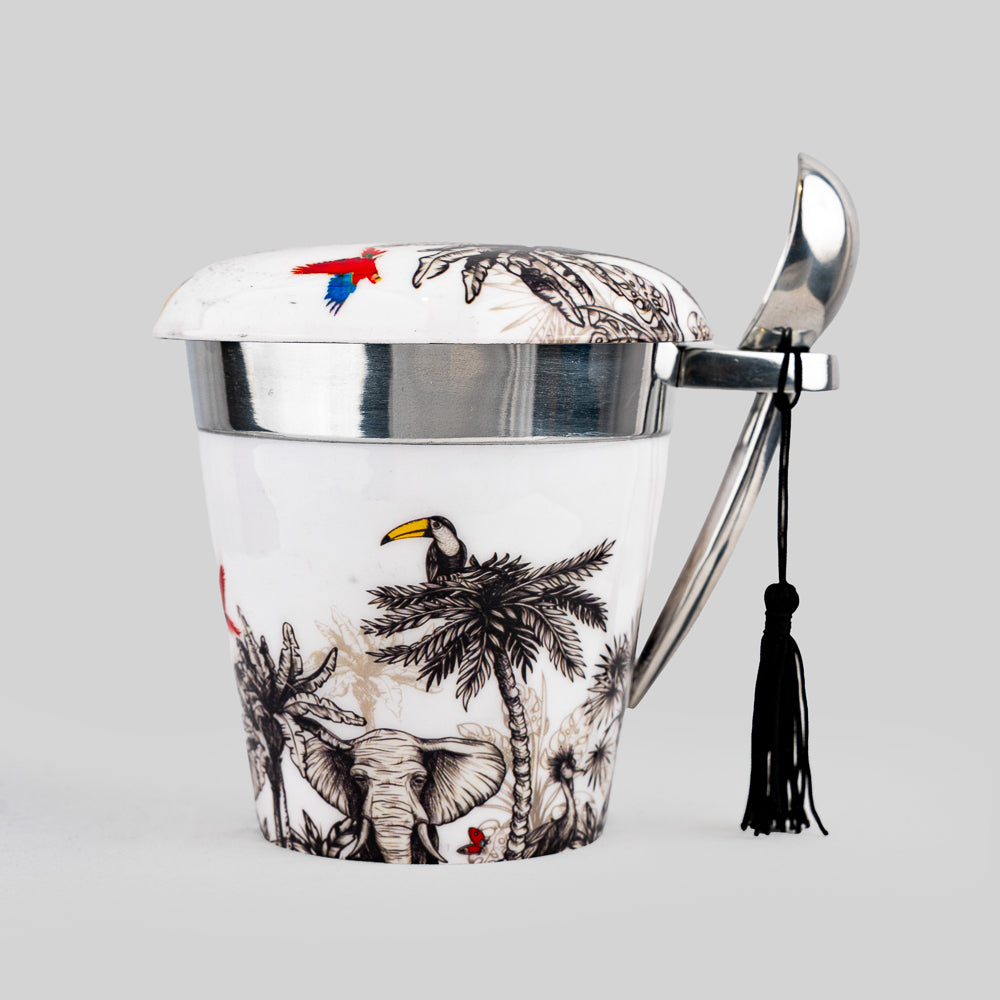
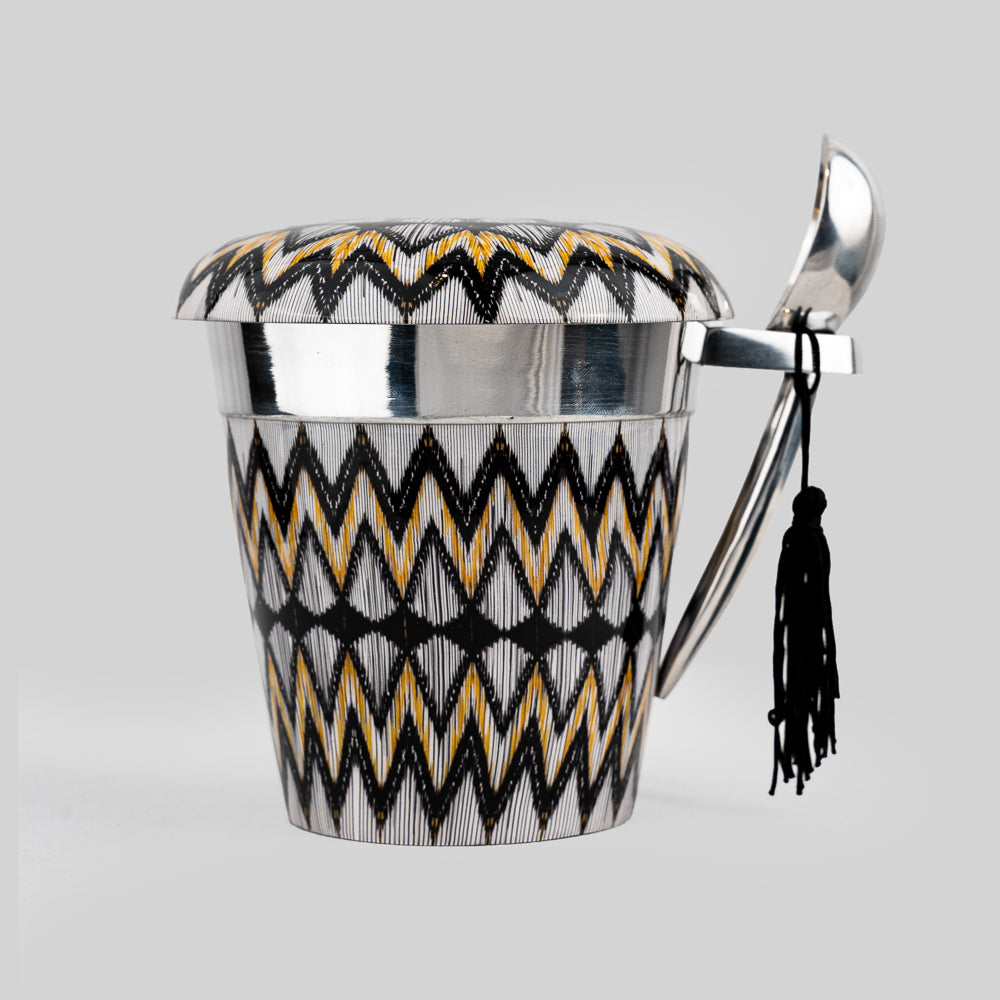
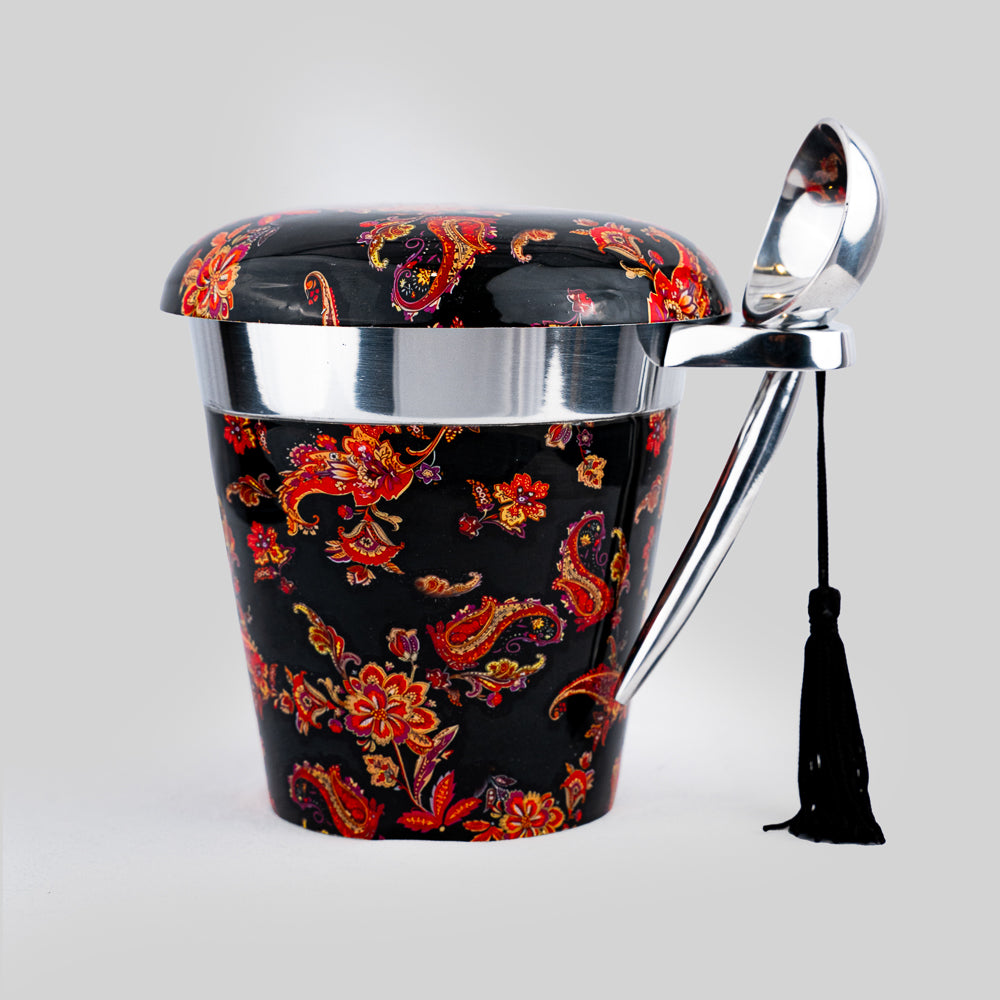
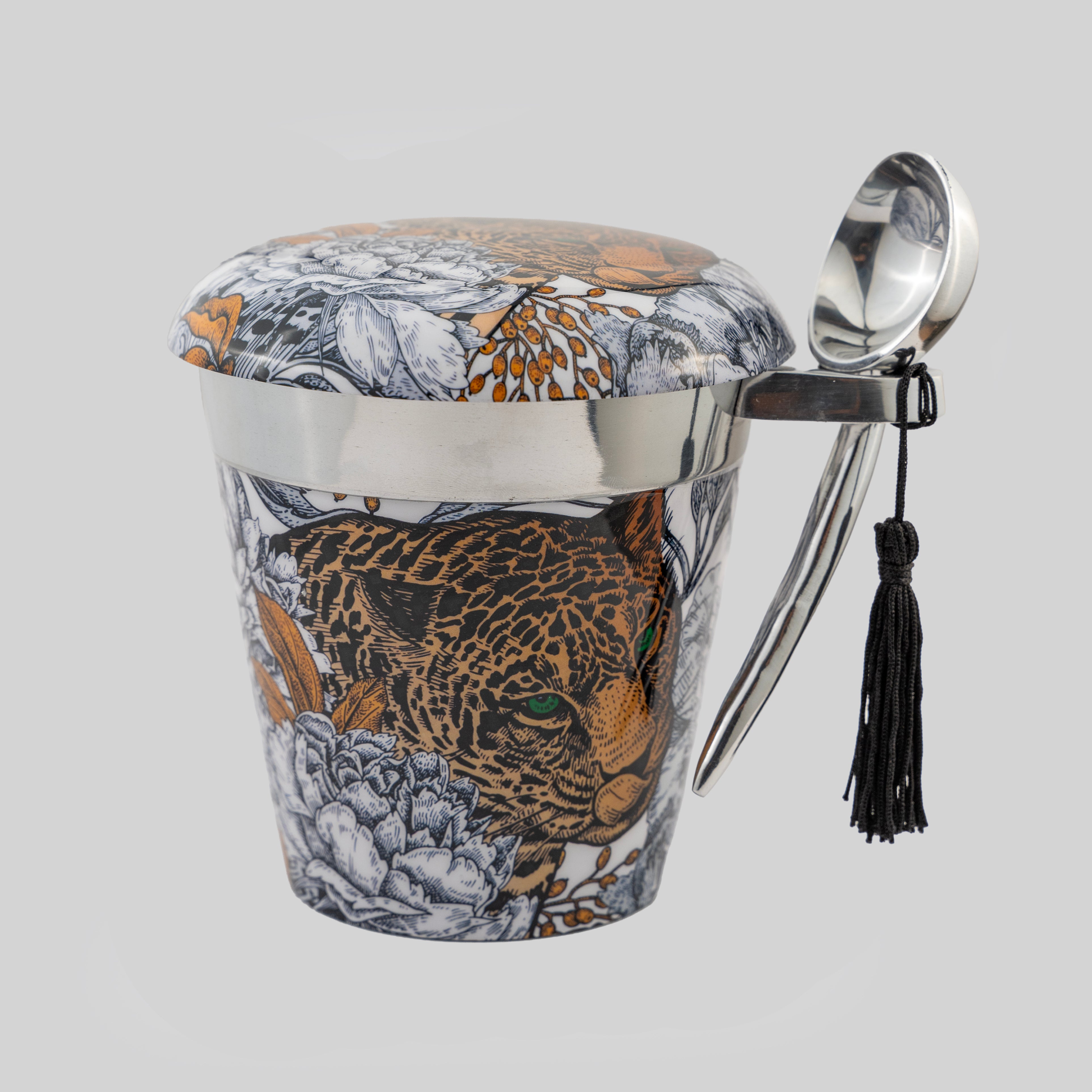
When working with statement prints, give them room. One expressive tray or artistic object can be the focal point; surrounding it with quieter books, clear glass, or a simple candle allows its design to speak. Tyetye’s approach to tabletop style is especially relevant here: an accessory can be both functional and expressive, adding a story rather than simply taking up space.
Style for the Moment, Then Refresh It
A coffee table should not remain frozen in one arrangement all year. Refresh it with the seasons, a new book, a different candle, or flowers chosen for an upcoming gathering. During festive evenings, add a more luminous note with glassware, a small serving bowl, or a refined tray ready for drinks. On ordinary weekdays, pare it back to books, coasters, and one beautiful object.
Editing is the final and most valuable step. Stand back from the sofa and look at the table from the place where you actually sit. Can you set down a cup? Does the arrangement have a visual center? Is there one item that feels unnecessary? Remove it.
A beautifully styled coffee table does not announce how hard it worked. It simply makes the room feel ready: for quiet mornings, spontaneous conversations, and the small rituals that turn a house into a home.