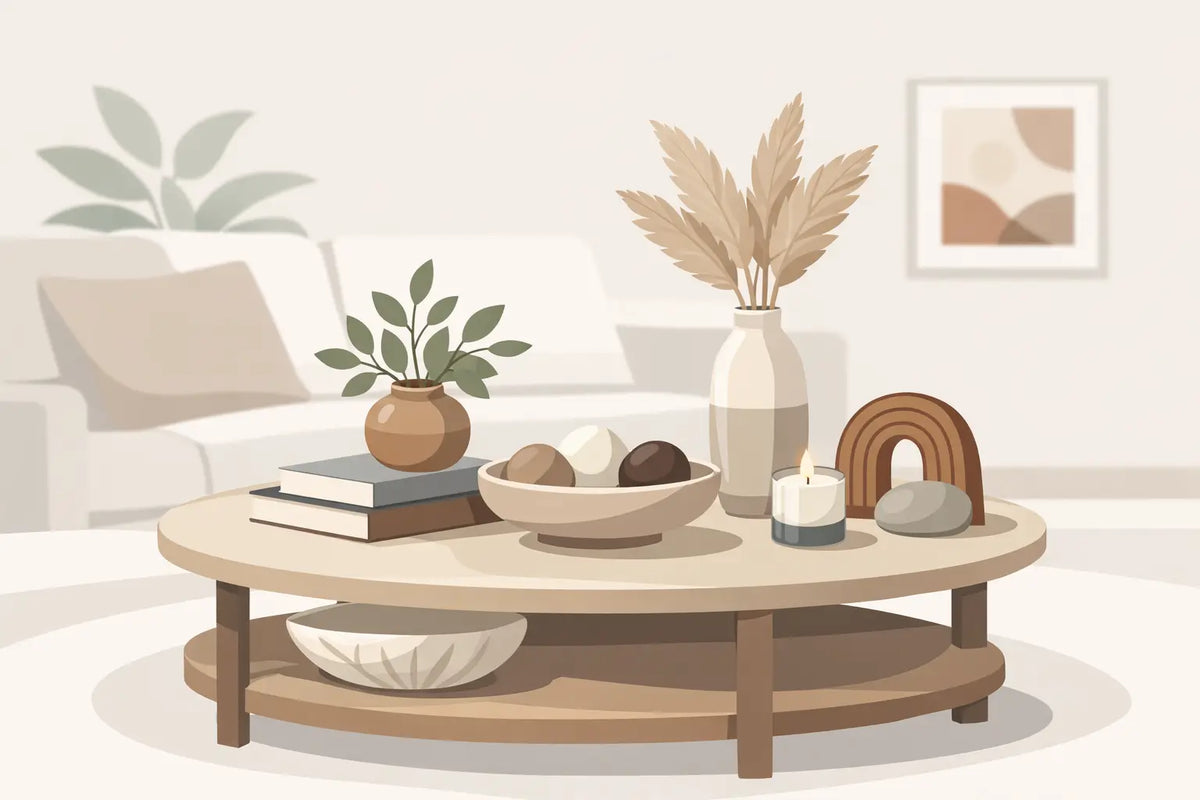
A memorable table is rarely about abundance alone. It is about restraint, contrast, and the quiet confidence of pieces chosen with intention. This guide to luxury tablescaping essentials is for hosts and home stylists who want a table that feels polished without looking staged, expressive without slipping into excess.
Luxury tablescaping begins long before the first plate is placed. It starts with mood. A brunch table asks for a lighter hand than an intimate dinner, and a festive gathering can carry more shine, pattern, and drama than an everyday family meal. The most beautiful tables do not copy a formula. They create an atmosphere, then build every layer around it.
What defines luxury tablescaping essentials?
At a premium level, tablescaping is less about filling space and more about shaping experience. Every object should contribute something specific, whether that is texture, warmth, structure, or a sense of occasion. A charger plate frames the setting. Linen softens the formality of ceramics and metal. Glassware catches light and gives movement to the table. A serving tray or sculptural platter becomes part of the visual story even before food arrives.
That is what separates luxury from simple decoration. The pieces are functional, but they also carry presence. They invite guests to notice detail - the finish of a napkin ring, the edge of a placemat, the weight of a serving spoon, the pattern on a plate that reveals itself as the meal unfolds.
A guide to luxury tablescaping essentials by layer
The easiest way to build a refined table is to think in layers rather than categories. When each layer has a purpose, the final setting feels composed instead of crowded.
Start with the foundation
Your base sets the tone of everything above it. For some tables, that means a bare wood surface with natural character. For others, it means a tablecloth or runner that introduces softness and color. If you want a look that feels understated and expensive, choose a foundation with texture rather than busy pattern. Slub linen, subtle embroidery, or a finely woven mat creates depth without competing with the dinnerware.
Placemats are often underestimated, but they do real visual work. They define each setting, create rhythm across the table, and give your plates a frame. Round mats soften a rectangular table, while structured silhouettes bring order to looser floral arrangements or printed ceramics. If your dinnerware is bold, keep the placemat quieter. If your plates are minimal, a more decorative mat can carry the personality.
Build the place setting with intention
Dinnerware is the heart of the table, and luxury lies in how it is composed. A layered place setting usually includes a charger or base plate, a dinner plate, and, depending on the meal, a salad plate or bowl. The combination should feel deliberate. Glossy ceramics paired with matte finishes can be especially striking. So can a printed plate against a solid charger that gives the pattern room to breathe.
This is also where proportion matters. Oversized plates can look grand on a generous dining table but feel cramped in a smaller setting. A more edited stack often looks richer than too many components squeezed together. If space is limited, prioritize one hero plate and one beautiful accent rather than forcing a full formal arrangement.
Flatware and serveware deserve equal attention. These are the metallic notes of the composition, and they can shift the mood quickly. Polished silver feels classic, brushed gold feels warmer and more decorative, and horn-handled or textured pieces bring a collected, conversational quality. The right serving spoon or cake server does more than help with the meal. It extends the design language of the table to the moment of sharing.
Let glassware bring light to the table
A table without glassware often feels unfinished, no matter how lovely the rest may be. Water glasses, wine glasses, coupes, or highballs add sparkle and verticality. They also keep the setting from feeling visually flat.
If you are wondering how much to include, it depends on the kind of gathering. A formal dinner can support multiple glasses per person, while a casual lunch may only need one beautifully chosen tumbler and perhaps a stemmed glass. The luxury move is not always more. It is selecting shapes that echo the mood of the table. Clean silhouettes suit modern settings. Cut or tinted glass adds romance and depth to more expressive tables.
The practical side matters too. Guests should be able to reach glasses comfortably and move through the meal without feeling crowded. A generous table allows for drama. A smaller one benefits from cleaner spacing and simpler glassware.
Add linen and detail pieces for softness
Luxury tablescaping often comes alive in the smaller details. Cloth napkins, especially when they contrast gently with the plates or placemats, make the entire table feel more considered. Napkin rings can be sculptural, polished, or subtly decorative, depending on the tone you want to strike.
These details should not feel obligatory. They should feel like finishing touches with character. A crisp white napkin with a distinctive ring is timeless. A printed napkin used sparingly can introduce color and movement. If the table already has patterned plates, floral stems, and tinted glassware, keep the linen simpler. If the rest of the setting is quiet, linen is a beautiful place to add expression.
Coasters, too, have a role beyond utility. On a drinks table or alongside pre-dinner service, they can echo the materials and motifs of the main setting. They are small, but on a luxury table, small things are rarely invisible.
The centerpiece should complement, not compete
Many hosts assume the centerpiece must be the most dramatic element on the table. Often, the opposite is true. The most elegant centerpieces support conversation, sightlines, and the rhythm of service. Low floral arrangements, clustered candleholders, a sculptural bowl, or even a series of small objects placed with symmetry can be far more effective than one oversized display.
A centerpiece should relate to the table's palette and mood. Fresh florals bring softness and seasonality. Metallic or glass accents add reflection. Organic elements such as fruit, branches, or textured vessels can make a formal table feel more relaxed and current. The best choice depends on the occasion and the room itself.
If your dinnerware and serveware are visually rich, scale back the centerpiece. If the table setting is minimal, a stronger central statement can work beautifully. Balance is what creates luxury, not volume.
Serveware is where hosting becomes theater
A refined table is not only about the place setting guests see when they sit down. It is also about what enters the table during the meal. Platters, trays, bowls, cake stands, tea sets, and carafes shape the hosting experience in real time.
This is where many tables lose cohesion. Beautiful plates are paired with generic serving pieces, and the story breaks. Thoughtful serveware keeps the table visually complete from the first pour to the final course. A statement tray can anchor drinks service. A sculptural platter can make even a simple appetizer feel special. A well-chosen tea or coffee set carries the mood beyond dinner and into the slower, more intimate part of the evening.
For design-conscious hosts, serveware is often the most expressive layer because it moves. It is handled, passed, noticed, admired. Tyetye India approaches these pieces as both functional objects and conversation pieces, which is exactly how luxury entertaining should feel.
How to keep the table elevated, not overdone
One of the most useful rules in any guide to luxury tablescaping essentials is this: every table needs a place for the eye to rest. If everything is embellished, nothing feels special.
That might mean choosing patterned plates but plain glassware. It might mean rich metallic accents with neutral linen. It might mean bold serveware balanced by clean white dinnerware. The point is not minimalism for its own sake. The point is contrast.
Editing is part of the process. Step back before guests arrive and look at the table as a whole. Is one area too dense? Are there too many competing finishes? Would removing one object make the rest feel more intentional? Luxury often reveals itself in what you leave out.
Styling for occasion, season, and home
A truly beautiful table feels connected to its setting. Summer lunches can carry lighter materials, relaxed layering, and brighter glassware. Fall dinners may call for deeper tones, candlelight, and richer textures. A city apartment table might benefit from a tighter, more curated composition, while a large dining room can absorb more scale and drama.
Your home should guide the styling as much as the occasion does. If your interiors are modern and quiet, a heavily ornate table may feel disconnected. If your rooms are layered with art, textiles, and collected décor, the table can echo that richness. Cohesion always reads as more luxurious than trend chasing.
There is also room for signature. Some hosts are known for dramatic florals, others for impeccable glassware, others for playful printed plates mixed with classic linen. The goal is not to imitate a showroom. It is to create a table that reflects your point of view with polish.
Luxury tablescaping is not about saving your best pieces for rare occasions. It is about recognizing that a well-set table changes how people gather, linger, and remember. Start with a strong foundation, choose objects with presence, and let each layer contribute to the story. When the essentials are right, the table does more than look beautiful - it makes the moment feel worth dressing for.