A beautifully set table is no longer reserved for milestone celebrations. The most compelling luxury tablescape trends 2026 bring a sense of occasion to the dinners, brunches, and unhurried tea rituals that make a home feel lived in and loved. Think less of a perfectly matched showroom set and more of a considered composition: a richly printed placemat beneath sculptural glassware, a gleaming serving tray carrying something homemade, a napkin ring that sparks conversation before the first course arrives.
For 2026, luxury is becoming warmer, more expressive, and more personal. The table is being styled as an extension of the home, with objects chosen for the stories they tell as much as the purpose they serve.
Luxury Tablescape Trends 2026: A More Personal Kind of Polish
The shift is away from strict formality and toward intentional layering. A table can still feel refined without every piece coming from the same pattern or collection. In fact, a touch of contrast is often what gives it character. Pair a detailed dinner plate with a clean-lined charger, or let a bold serving bowl sit beside understated linens and polished flatware.
This approach is especially suited to homes where entertaining is part of everyday life. Instead of storing beautiful pieces for rare occasions, hosts are choosing versatile accents that can move from a weekend breakfast to an evening gathering with ease. A statement platter, distinctive coaster set, or elegant coffee service earns its place when it performs beautifully and looks memorable while doing it.
The goal is not excess. It is visual rhythm. A luxury table should feel collected, not crowded.
Color Returns With Confidence
For several seasons, quiet neutrals have dominated tabletop styling. They remain timeless, but 2026 welcomes color back to the table with greater confidence. Jewel tones, lacquer-like reds, botanical greens, deep blues, amber glass, and warm earth pigments are all finding their place in elevated settings.
The key is to use color with restraint. A richly colored placemat can anchor classic white dinnerware. Tinted drinkware can bring depth to a neutral linen tablecloth. A patterned tray or decorative bowl may be all that is needed to introduce a spirited note. This is color as atmosphere, not decoration for its own sake.
For daytime entertaining, softer combinations feel especially fresh: sage with cream, dusty rose with tobacco brown, or pale blue paired with clear glass and silver-toned details. Evening tables can carry more drama through burgundy, oxblood, emerald, and smoked glass. What matters is that the palette feels connected to the room, the menu, and the mood of the gathering.
Pattern Is Becoming a Signature
Prints are returning as a powerful expression of individuality. Floral motifs, painterly borders, geometric details, and heritage-inspired patterns bring a sense of movement to the table. Rather than matching every element, choose one patterned hero piece and allow the surrounding objects to give it space.
A printed tablemat, for example, can frame a simple plate setting with a sense of occasion. It also offers an easy way to refresh a familiar dinner service without replacing everything. For a more layered look, repeat one color from the print in your napkins, candles, or glassware. The result feels composed rather than overly coordinated.
Sculptural Serveware Takes Center Stage
In 2026, serveware is expected to become even more central to the tablescape. Platters, bowls, trays, and cake stands are no longer background pieces brought out only when food is served. They shape the visual identity of the table from the beginning.
Look for pieces with distinctive silhouettes, organic edges, textured surfaces, and artful handles. Horn-handled serveware, for instance, adds a tactile, worldly note to a setting while remaining highly practical for passing shared dishes. A sculptural platter can make a simple arrangement of fruit, breads, or hors d'oeuvres feel generous and deliberate.
There is a useful trade-off here. Highly decorative serveware creates instant impact, but it needs breathing room. If the platter is ornate, keep nearby dinnerware and linens quieter. If your plates are richly patterned, choose a serving piece with a more restrained finish. The most elegant tables know when to let one object lead.
The Centerpiece Becomes Lower and Looser
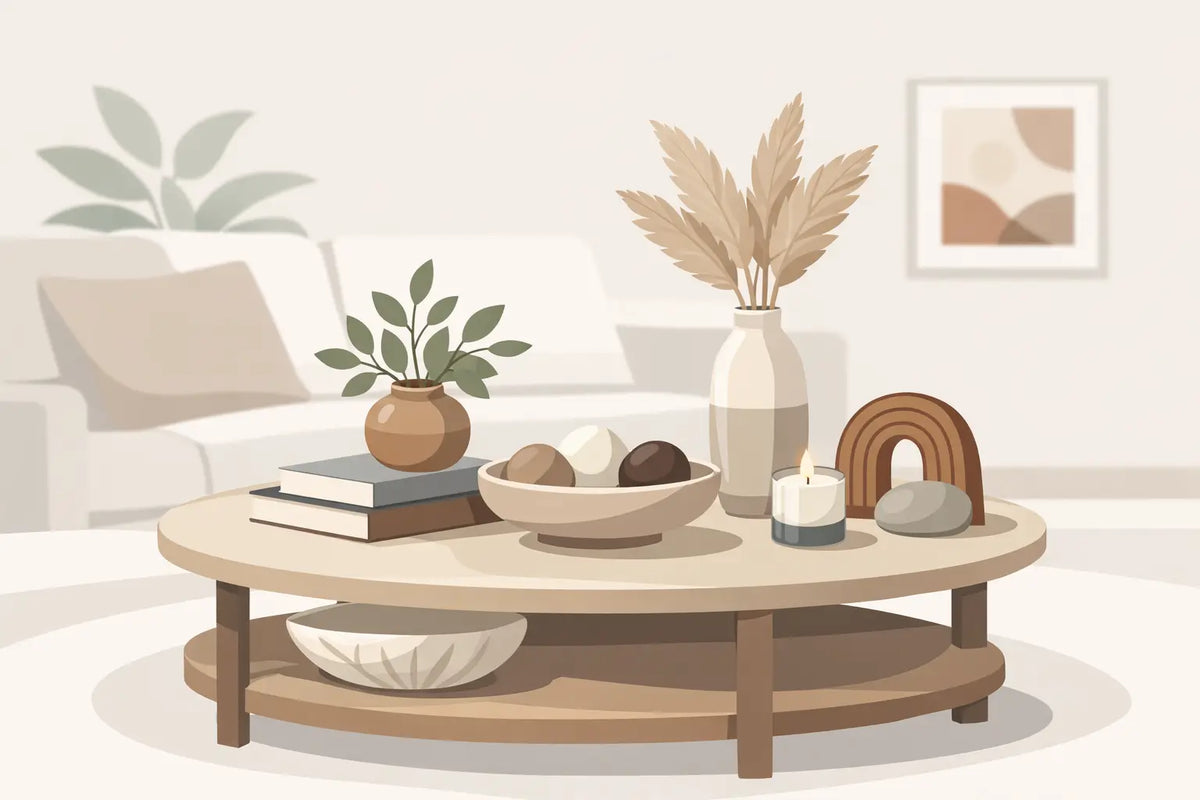
Towering floral arrangements are giving way to lower, more intimate centerpieces. Guests want to see one another across the table, and hosts want arrangements that feel relaxed enough for lingering conversation. Bud vases, clustered candles, seasonal fruit, branches, and small decorative objects create a layered center without blocking the view.
This is also where a beautiful tray can be transformative. Use one to gather candles, a small vase, and an accent object into a composed vignette. It brings order to the center of the table and can be lifted away easily when more serving space is needed.
Fresh flowers still have a place, but the mood is less formal florist arrangement and more gathered abundance. A few stems in varied vessels often feel more current than one large, symmetrical bouquet.
Glassware Is Part of the Decoration
Drinkware is becoming one of the most expressive elements on the table. Clear crystal will always be elegant, yet colored, fluted, ribbed, and subtly textured glassware is giving place settings a more collected feel. A single colored tumbler beside a classic wine glass can change the entire mood of a table.
For a dinner party, mixing stemware and tumblers creates an inviting sense of generosity. Use one glass for water, another for wine or a festive nonalcoholic drink, and consider a smaller coupe or cordial glass for a final flourish. The trick is not to crowd every place setting. If your table is compact, select fewer but more beautiful vessels.
Tea and coffee moments deserve the same attention. An artful tea set or refined coffee service turns the final course into its own ritual, especially when paired with a small tray of sweets, polished spoons, and linen napkins. These quieter moments are often the ones guests remember.
Texture Makes the Table Feel Complete
Luxury in 2026 will be felt as much as it is seen. The smoothness of glazed dinnerware, the weight of a well-made glass, the softness of a linen napkin, and the natural grain of a decorative accent all contribute to a table that feels rich without becoming flashy.
Layering texture works best when the color story is edited. A woven or printed mat, a crisp napkin, a glossy plate, and a metallic napkin ring can coexist beautifully if they share a considered palette. When every element competes in color, shine, and pattern, even expensive pieces can lose their impact.
Small details are doing more work this year. Napkin rings, coasters, place card holders, and photo frames placed nearby on a console or bar area help extend the visual story beyond the dining table. They make the room feel prepared for guests, not simply decorated for a photograph.
Hosting With Flexibility, Not Rules
The most enduring trend is a more relaxed understanding of luxury. A formal place setting may suit a holiday dinner, while a casual lunch may call for placemats, beautifully chosen glasses, and one generous shared platter. Both can feel elevated when the details are intentional.
Consider the occasion before setting the table. A family-style meal benefits from space for serving dishes and easy-to-reach water glasses. A cocktail gathering can focus on trays, coasters, small plates, and a styled bar corner. For an intimate dinner, invest attention in each place setting, from the napkin fold to the candlelight.
Tyetye's approach to tabletop styling is rooted in this idea: practical objects can still carry artistry, personality, and presence. The pieces you choose should invite use, not merely admiration from a cabinet shelf.
A memorable 2026 table will not be defined by how closely it follows a trend. It will be defined by the welcome it creates: the colors that set the mood, the textures that encourage people to linger, and the thoughtful details that make every guest feel expected.