

A coffee table is where a room’s daily life becomes visible: the first cup of the morning, a book left open after dinner, flowers brought home on a Friday, glasses set down when friends stay late. Knowing how to arrange a coffee table is less about filling its surface and more about giving those small rituals a beautiful place to land.
The most compelling arrangements feel collected rather than staged. They hold a little order, a little personality, and enough open space to remain useful. Start with what you want the table to do in your home, then style it with objects that make the room feel more like yours.
Start With the Table’s Shape and Purpose
Before choosing a single decorative piece, look at the table itself. Its shape tells you how the arrangement should move. A round coffee table benefits from a centered composition with soft, circular forms. A rectangular table has room for a sequence of distinct moments: perhaps a tray at one end, a stack of books at the other, and a low floral accent between them.
Function matters just as much as form. If this is the table your family uses for movie nights, leave a generous clear area for snacks, remotes, and feet-up evenings. If it sits in a formal sitting room, you can build a more sculptural display. Neither approach is more stylish. The right choice is the one that lets the room be lived in without constant rearranging.
Consider the height of surrounding seating, too. Coffee table decor should not block sightlines across a sofa or make conversation feel interrupted. Most accents work best when they stay low, with one slightly taller element for lift and rhythm.
How to Arrange a Coffee Table in Layers
A thoughtfully arranged table has visual depth. Think in layers rather than isolated objects: a grounding base, a few pieces with varying heights, and a living or personal detail that keeps the display from feeling overly perfect.
Begin with a tray or a defined base
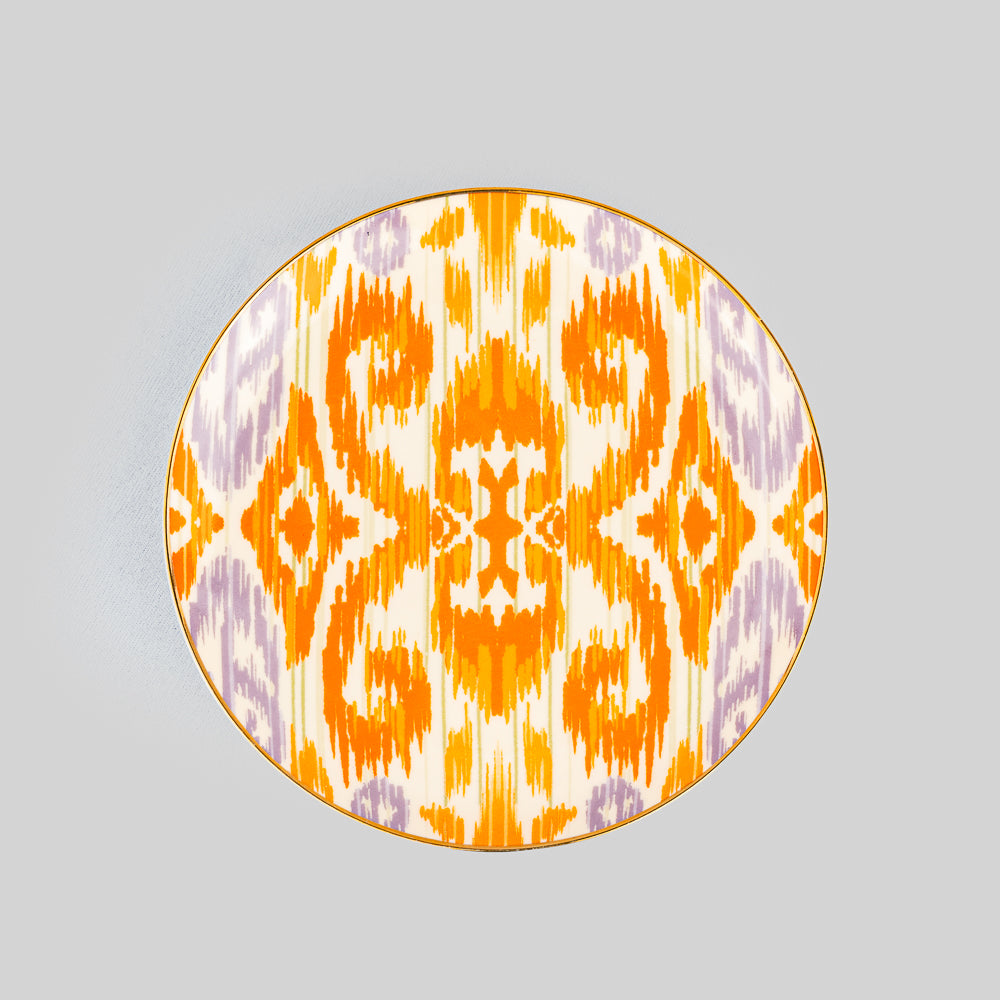
A tray is one of the simplest ways to make a coffee table feel intentional. It gathers smaller pieces into one composed scene and makes clearing the table effortless when guests arrive. Choose a tray that echoes the room’s character: lacquered and graphic for a contemporary space, warm wood or woven texture for a relaxed interior, or a richly patterned serving tray for a more expressive setting.
On a large rectangular table, a tray can occupy one side rather than the center. On a square or round table, it often works beautifully as the anchor. Leave a visible border of tabletop around it so the arrangement can breathe.
Add books that say something about you
Coffee table books are not filler. They introduce color, scale, and a sense of the interests that shape your home. Choose two or three titles on art, travel, fashion, architecture, gardens, or food, and stack them with the largest at the bottom.
A small object on top of the stack gives the books a finished presence. This might be a hand-painted box, a sculptural coaster set, a petite bowl, or a photo frame holding a meaningful image. The point is not to coordinate every color exactly. A mix of covers and materials often feels more personal than a perfectly matched pile.
Create one moment of height
Every arrangement needs a vertical note to prevent it from reading as a flat collection of objects. Fresh stems in a low vase, a small orchid, a branch in a ceramic vessel, or a statement candleholder can provide that lift.
Keep the scale measured. A tall arrangement may be lovely on a console, but it is rarely ideal for a coffee table where people need to see one another. If you love flowers, choose loose, low blooms or a compact vessel that brings softness without claiming the whole view.
Include something tactile and unexpected
The most memorable rooms include details that invite a second glance. A horn-handled accent, an artisanal bowl, a finely finished pair of coasters, or an object collected on a journey adds texture and a sense of story. These pieces are especially effective beside smooth surfaces such as glass, marble, or high-gloss lacquer.
Limit the number of statement pieces. One distinctive accent has presence; five competing accents can make even a generous table feel crowded.
Use the Rule of Three, Then Break It Gracefully
Groups of three are naturally easy on the eye because they create a pleasing variation in height and shape. For a simple arrangement, combine a low stack of books, a small bowl, and a vase. The three items should relate without looking identical: perhaps paper, ceramic, and glass; or a square book stack, rounded vessel, and elongated decorative object.
That said, symmetry has its own quiet elegance. Two matching candleholders on a long, tailored table can feel beautifully composed, especially in a more formal living room. The rule of three is a helpful starting point, not a styling law. Let the architecture of the room guide you.
A useful test is to step back and notice where your eye goes. If it darts from object to object, remove one piece. If the table feels empty but not serene, add a single item with a different height or texture. Editing is often what turns a collection of lovely things into a polished arrangement.
Make Space for Entertaining
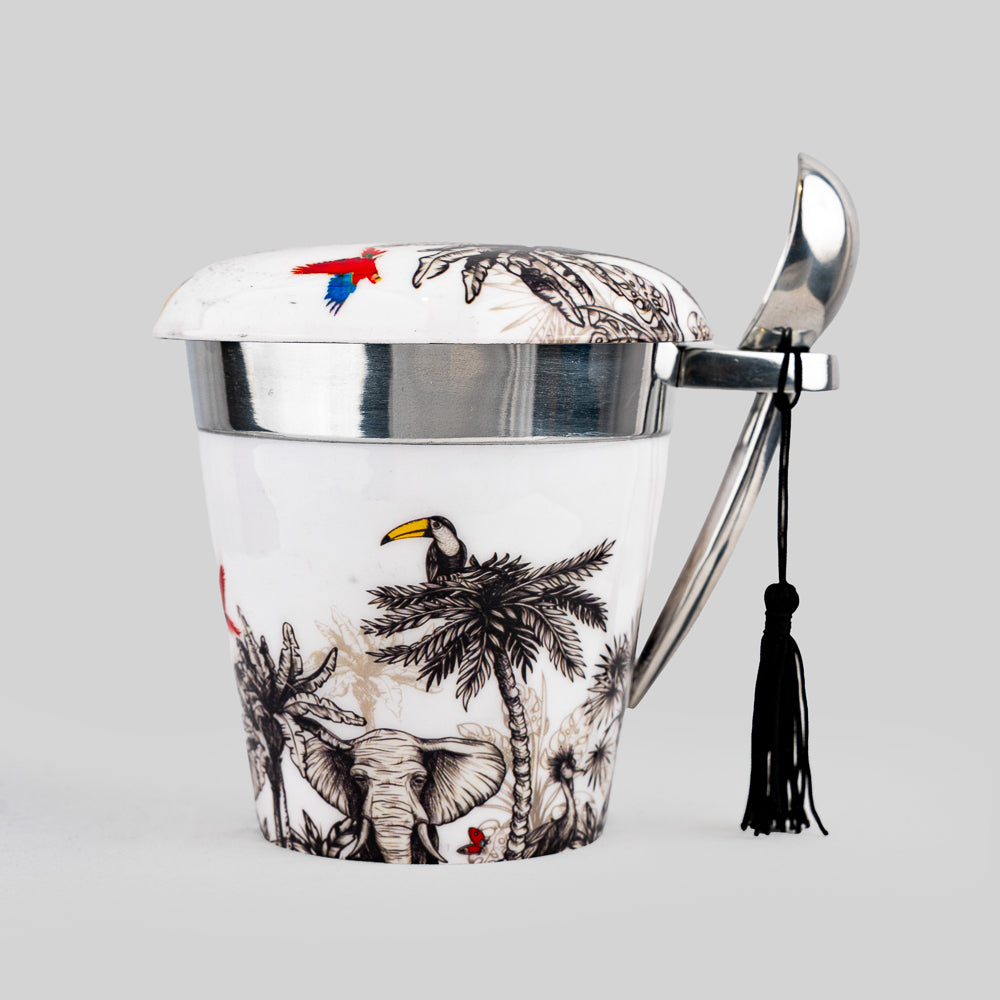
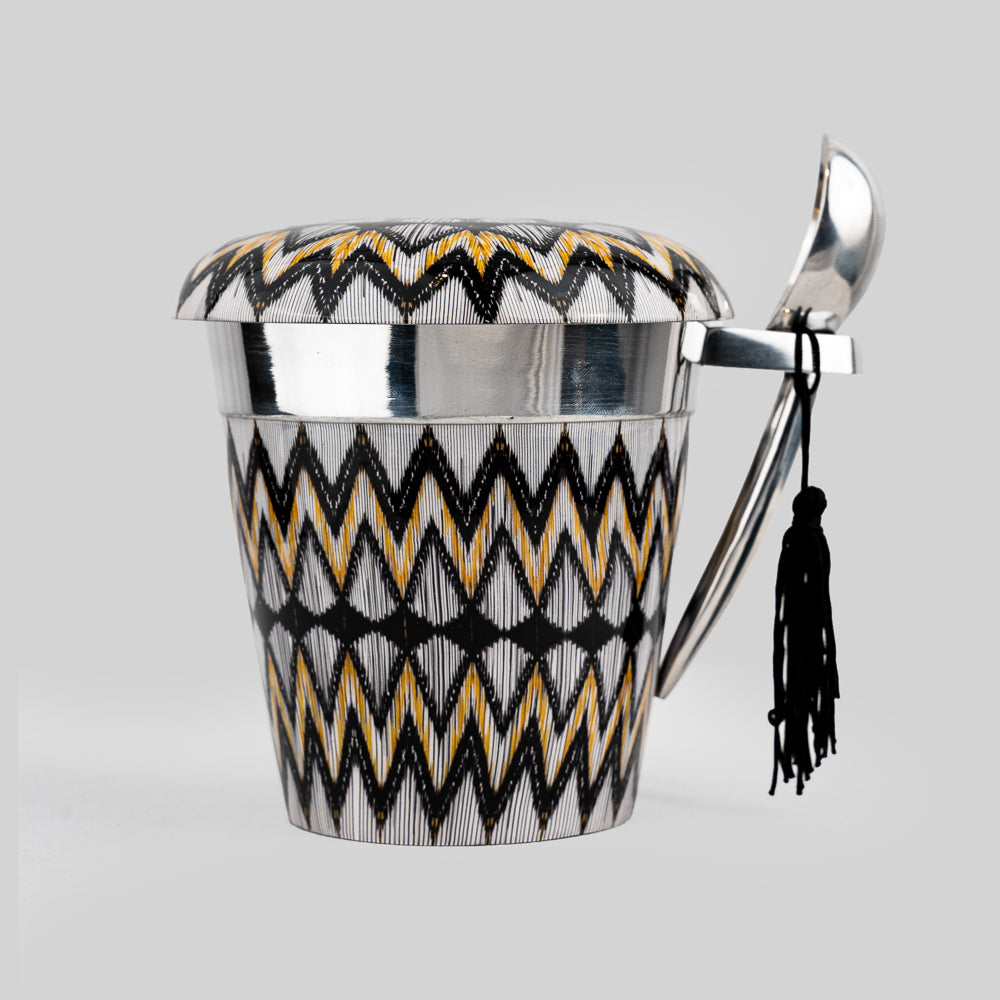
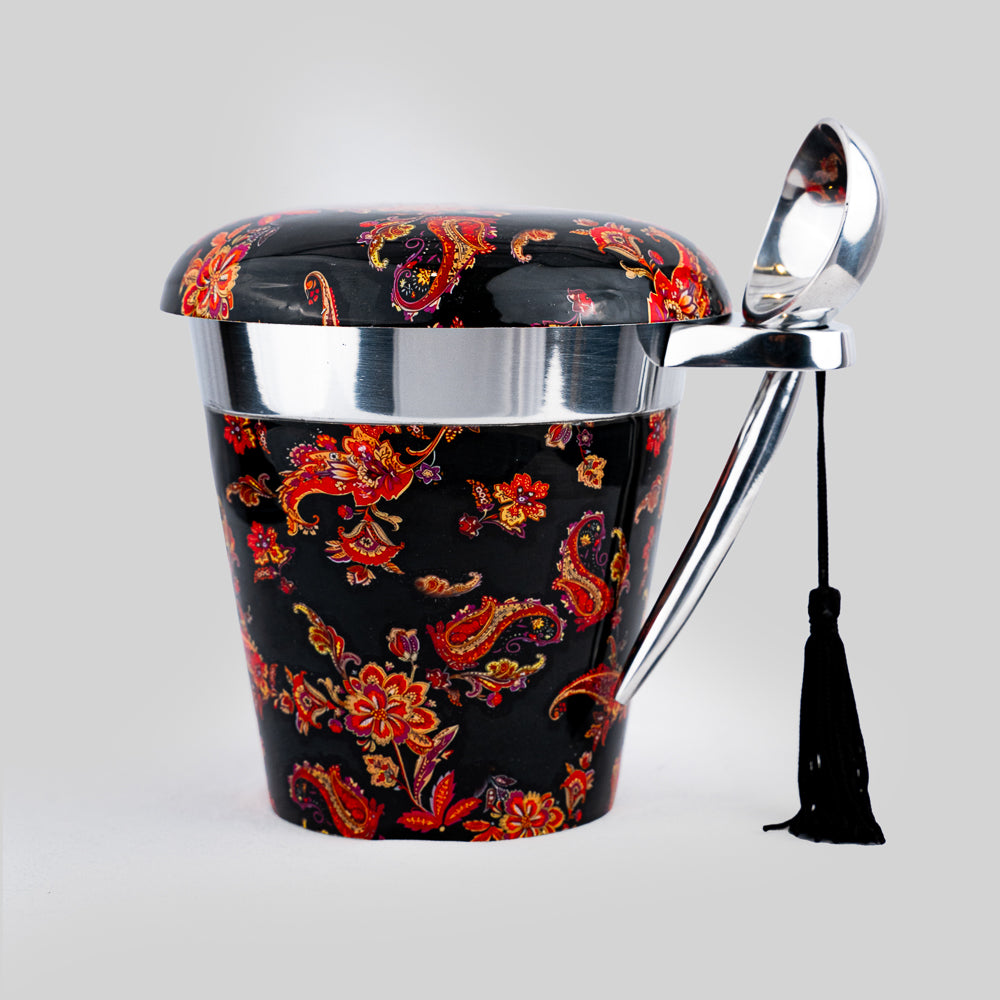
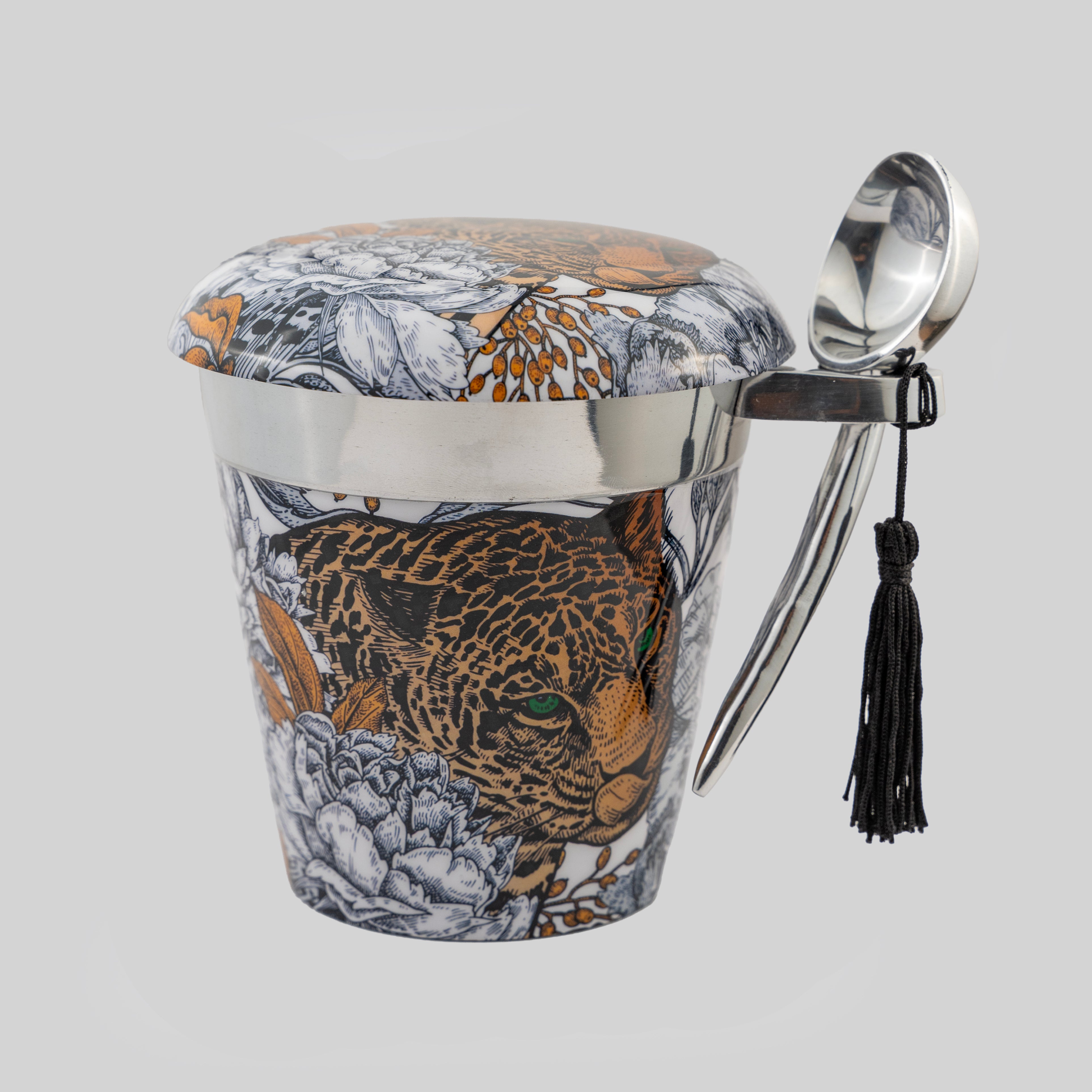
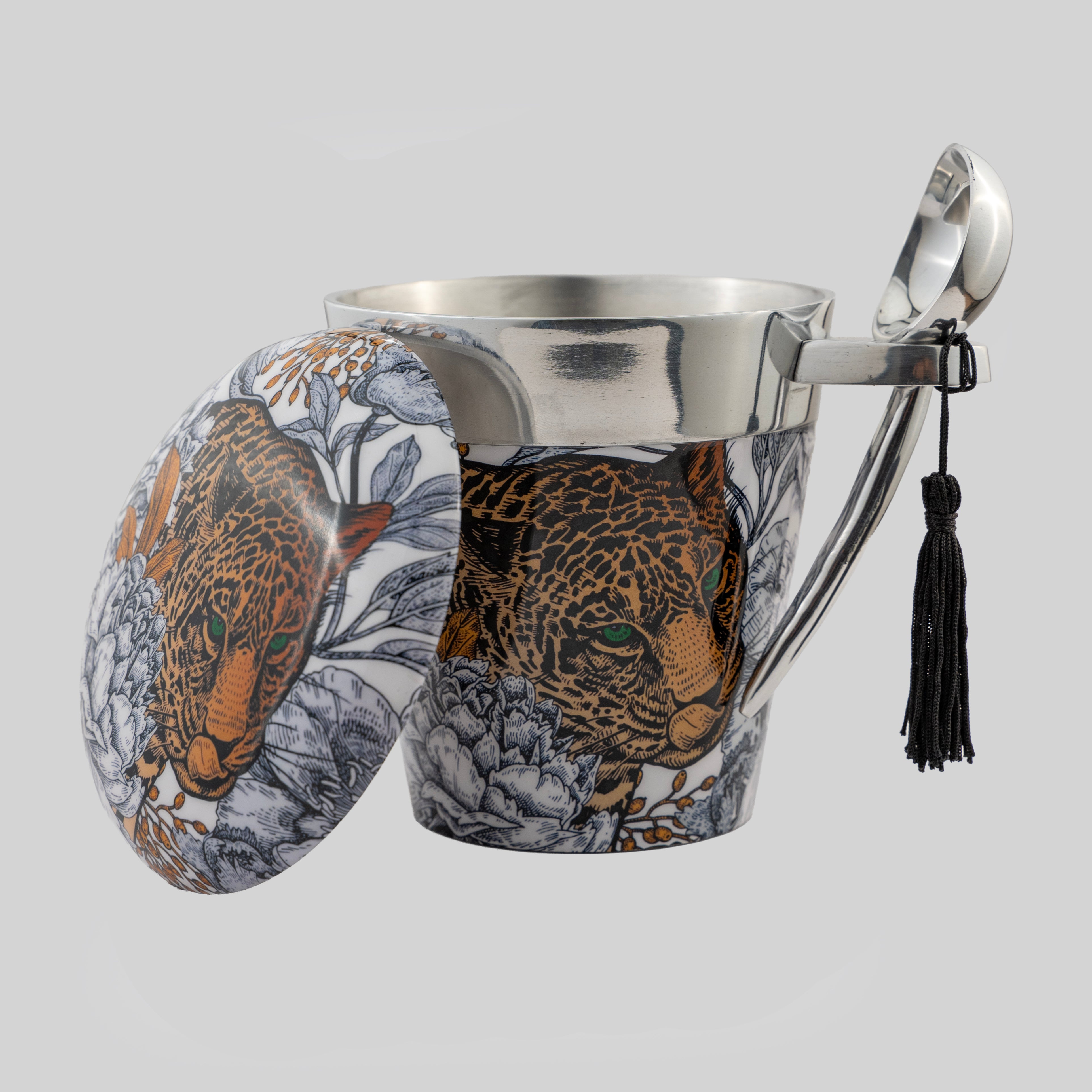
A coffee table should be ready to shift from display to hospitality. This is where beautiful utility matters. Coasters that complement the room, a compact ice bucket, or a serving tray that can carry coffee and desserts make the table feel prepared without looking practical in a purely functional way.
For gatherings, move one decorative object aside and use the cleared area for drinks. A tray can become the center of service, holding glassware or small bites while protecting the surface beneath. Pieces designed for the dining table often find an equally graceful second life in the living room.
Tyetye’s approach to tabletop styling is especially useful here: choose accents that earn their place through both beauty and purpose. A patterned tray, expressive glassware, or a sculptural set of coasters can make hosting feel considered before the first guest has arrived.
Adjust the Arrangement for the Season, Not Every Trend
A coffee table does not need a complete makeover with each new season. Small changes are enough to refresh the mood. In warmer months, try a clear glass vessel with green branches, a lighter stack of books, and a bowl for citrus or fresh flowers. As evenings grow cooler, bring in deeper tones, a candle with a soft fragrance, or a textured object in wood, brass, or ceramic.
Seasonal styling works best when it reflects the home rather than competing with it. A room full of calm neutrals may only need a single branch of autumn leaves. A maximalist room can carry richer color, layered prints, and more decorative detail. Follow the atmosphere you have created, not a formula borrowed from somewhere else.
Common Coffee Table Styling Mistakes
The most common mistake is treating every inch of the tabletop as display space. A coffee table looks luxurious when it has room around its objects. Negative space is not unfinished space; it gives the eye a place to rest and leaves room for everyday life.
Another misstep is using decor that is all one height. A cluster of small candles, boxes, and bowls may be attractive individually, but together they can look visually static. Introduce a modest change in scale through books, a vase, or a taller sculptural piece.
Finally, avoid styling with objects you are afraid to touch. If moving a candleholder to set down a cup feels stressful, the arrangement is working too hard. The most elegant coffee tables allow for both admiration and use.
Let the Table Tell a Story
A beautifully arranged coffee table is not a showroom display. It is a portrait of the people who gather around it: the places they have been, the books they return to, the meals and conversations they love to share. Keep a few beautiful things within reach, leave space for what the evening brings, and let the arrangement evolve with the life happening around it.