

A serving platter is rarely just a surface for food. It is the piece that carries the roast to the table, frames a beautifully arranged dessert, and gives a shared meal its sense of occasion. Knowing how to choose serving platters means balancing the practical needs of your menu with the visual mood you want guests to remember.
For a relaxed Sunday lunch, that may mean a generously sized ceramic platter with a painterly print. For cocktails and small plates, it may be a sculptural tray that makes canapés feel considered. The most beautiful choice is not always the largest or most ornate one. It is the piece that works naturally in your hands, on your table, and within the story of the gathering.
Begin With the Food You Love to Serve
The easiest way to choose a platter is to think beyond the empty table. Consider the dishes you bring out most often. A long oval or rectangular platter is ideal for sliced meats, grilled vegetables, kebabs, sandwiches, and a composed arrangement of appetizers. Its length creates a graceful line across the table and lets food be placed in tidy rows rather than piled high.
Round and softly organic shapes are particularly inviting for shared salads, breads, fruit, dumplings, pastries, and desserts. They encourage a more abundant, generous presentation, especially when the food is meant to be passed around. A deep-rimmed platter also gives you more confidence with saucy dishes, roasted vegetables with pan juices, or vibrant fruit salads.
For a host who enjoys variety, one all-purpose platter is rarely enough. A small collection of different silhouettes creates more flexibility: a broad round piece for generous salads, a long piece for starters, and a smaller accent platter for sweets or a thoughtful side dish. Each has a purpose, yet together they make the table feel layered rather than matched too perfectly.
How to Choose Serving Platters by Size
Size determines whether a platter feels effortlessly generous or frustratingly crowded. Before choosing, picture your dining table, not just your cabinet. A dramatic platter can be striking, but it should leave room for dinner plates, glassware, candles, and easy conversation.
For an intimate meal of two to four, a platter around 12 to 14 inches often feels substantial without taking over the setting. For family-style dining with six to eight guests, look for pieces in the 16-to-20-inch range, depending on the food. A large shallow platter can serve a crowd beautifully, but only if guests can reach it comfortably or if there is enough room to place it at the center.
Depth matters as much as width. Flat platters are elegant for dry foods and carefully arranged bites, while a raised rim is more forgiving for juicy salads, sauced appetizers, and anything with a dressing. If you regularly host buffet-style gatherings, consider a larger platter with enough surface area to keep food from looking compressed as guests begin serving themselves.
There is also a quiet luxury in leaving a little empty space. Food looks more intentional when it has room to breathe. An oversized platter can work for a modest portion if you build the presentation with herbs, citrus slices, edible flowers, or neatly placed serving utensils. The aim is not excess. It is composition.
Choose a Material That Matches Your Rituals
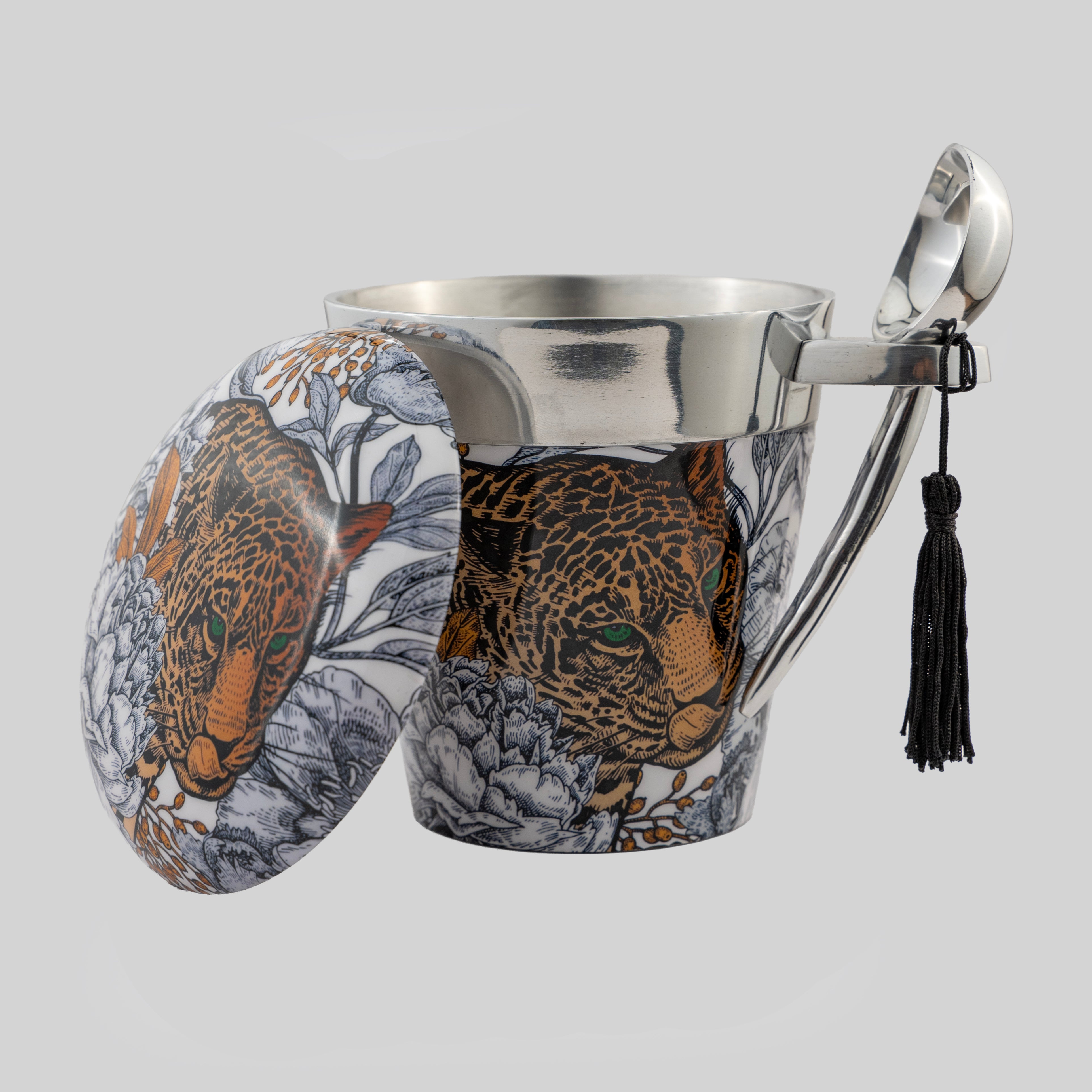
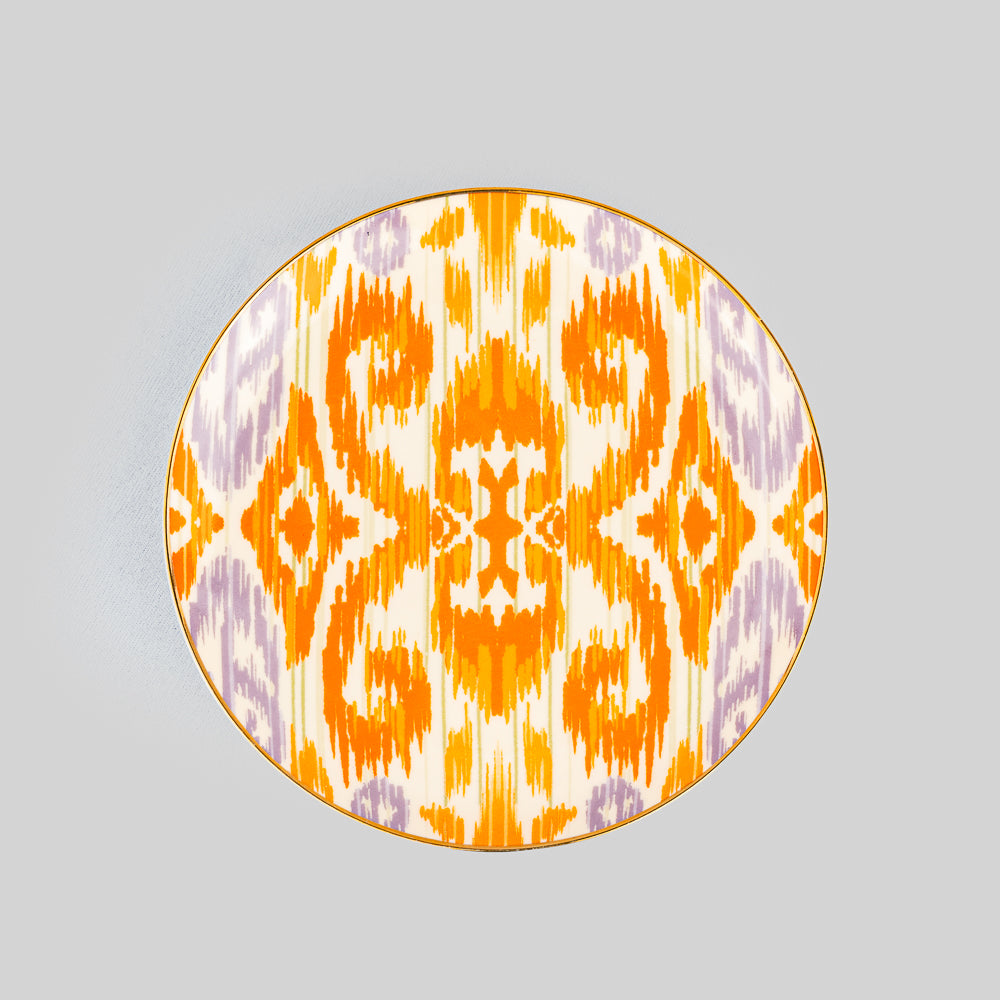
Material shapes both the mood of the table and the way a platter performs. Ceramic and porcelain platters remain enduring choices for formal dinners and everyday meals alike. They hold warmth well, suit a wide range of foods, and offer a beautiful canvas for expressive prints, rich color, or a softly glazed finish. A ceramic platter with an artistic motif can become the visual center of a table before a single dish is served.
Glass platters bring lightness and polish. They are particularly lovely for pastries, cheese, fruit, or chilled desserts, where their reflective surface can make colors appear brighter. Clear glass feels airy and minimal, while tinted or textured glass adds a more decorative note. The trade-off is that glass may show fingerprints more readily and deserves a gentler hand during storage and washing.
Metal serveware has a celebratory presence, especially in warm finishes or pieces with sculptural details. It can make simple snacks feel festive and works beautifully for dry foods, wrapped treats, or styled displays. Unless a piece is specifically designed for direct food contact, use it with a food-safe liner or bowl when serving acidic, wet, or hot dishes.
Natural materials, including wood and horn-inspired details, introduce warmth and character. They are wonderful for breads, cheese, charcuterie, and dry snacks, lending a collected, hospitality-forward feeling to the table. These pieces usually require more mindful care than dishwasher-safe ceramic, so they are best chosen when their tactile beauty is part of the pleasure for you.
Let Shape Set the Tone
A platter’s silhouette can quietly change the energy of a meal. Clean rectangles and symmetrical ovals feel tailored, composed, and especially suited to formal dining or contemporary interiors. They pair easily with crisp linens, modern glassware, and neatly plated food.
Curved, scalloped, and irregular forms feel more expressive. They add movement to a tablescape and work especially well when you want the table to feel relaxed, artistic, or inspired by handmade objects. An organic edge can soften a highly structured dining table, while a decorative border can bring a festive note to celebrations.
Consider the shapes already present in your home. If your dinnerware is round and your table has soft edges, a rectangular platter creates pleasing contrast. If your table setting is full of straight lines, a round or wavy piece can make the arrangement feel less rigid. This is where serving platters become decorative objects as much as practical ones.
Build a Cohesive Table Without Making It Too Matched
A refined table does not need every piece to come from the same set. In fact, the most personal settings often combine complementary colors, materials, and patterns. Start with one visual thread: perhaps a warm neutral palette, a botanical print, an accent color drawn from your napkins, or the glint of brass-toned cutlery.
If your dinnerware is simple, a statement platter can carry the artistic energy of the table. A vivid print, patterned rim, or distinctive handle becomes a natural conversation piece. If your plates already have a bold design, choose a quieter platter in a coordinating shade so the food remains the focus.
Think about contrast with care. A white ceramic serving platter can make colorful dishes look especially vivid. A dark or richly patterned platter can lend drama to pale cheeses, breads, and desserts. For festive entertaining, mixing an expressive platter with clear glassware and neutral linens often creates a balanced, polished result.
At Tyetye India, this is the pleasure of thoughtfully chosen serveware: each piece can stand on its own, while still helping the entire table feel connected.
Notice the Details That Make Hosting Easier
A platter should be as comfortable to use as it is lovely to look at. Check that it has a stable base and enough weight to feel secure, without becoming difficult to carry when filled. A subtle rim can prevent food from sliding, while integrated handles or a comfortably grippable edge make a real difference when moving from kitchen to table.
Storage deserves consideration, too. Large platters are often the pieces we reach for least when they are awkward to stack or tucked where they cannot be seen. If space is limited, choose one versatile medium-large platter and a few smaller pieces that nest easily. A platter displayed on an open shelf or sideboard is more likely to become part of daily life, especially if its design brings warmth to the room.
Care instructions should suit your rhythm. Dishwasher-safe pieces are ideal for frequent use and spontaneous hosting. Hand-wash-only materials may be worth the effort for special occasions, gifting, or a table you want to make memorable. There is no wrong choice, only the one that fits how you actually gather.
Give Each Platter a Life Beyond Dinner
The finest serving platters do not wait for a formal invitation. Use one to arrange morning pastries, hold fruit on a kitchen island, present candles on a coffee table, or create a welcoming display for drinks when friends arrive. A beautiful piece earns its place when it moves easily between everyday rituals and celebrations.
Choose the platter that makes you want to set the table a little more often. That impulse is where gracious hosting begins: not with perfection, but with a thoughtful surface ready to hold whatever brings people together.