

A beautifully set table begins long before the first course arrives. It starts with the plate in your hand: its weight, its finish, the color it brings to the room, and the quiet confidence it gives every meal. This guide to designer dinnerware sets is for hosts and home stylists who want their table to feel considered, personal, and ready for more than one kind of occasion.
Designer dinnerware is not simply reserved for formal entertaining. The right set can make a simple breakfast feel composed, turn an impromptu lunch into a thoughtful gesture, and give a festive dinner the visual rhythm it deserves. The aim is not to create a table that feels too precious to use. It is to choose pieces that make everyday rituals feel more beautiful.
What Makes Dinnerware Feel Designer?
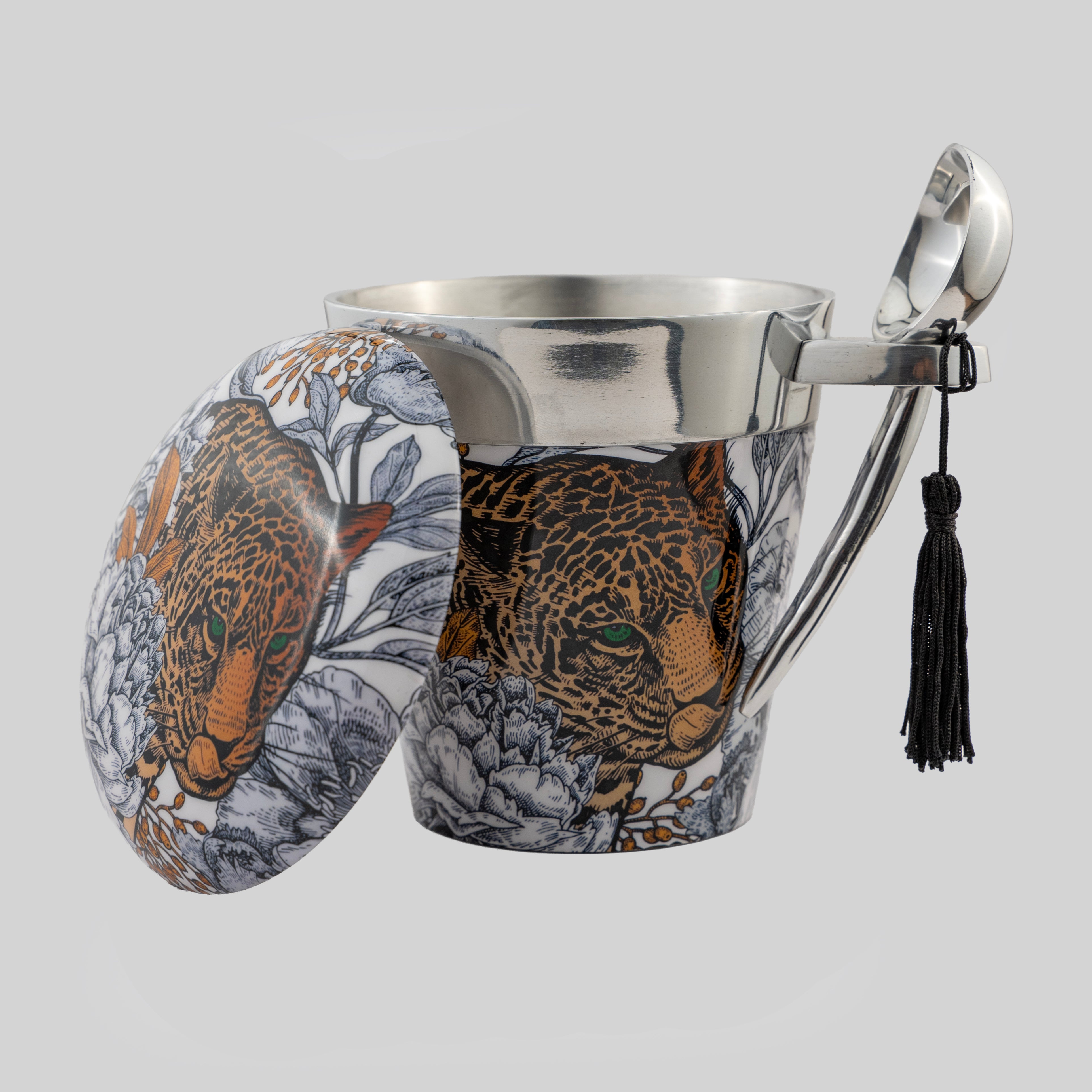
A designer dinnerware set has presence. It may be expressed through a hand-painted motif, a sculptural rim, a rich glaze, an unexpected silhouette, or an artful balance of color and negative space. More than decoration, these details create a point of view. They tell guests that the table has been styled with the same intention as the rest of the home.
Material matters, but it is only part of the story. Fine porcelain offers a polished, luminous finish and a classic sense of occasion. Stoneware brings warmth, texture, and a slightly more relaxed character. Bone china is known for its delicacy and strength, while ceramic can offer expressive glazes and artisan variation. There is no single best choice. It depends on whether you want a refined formal table, an earthy gathering place, or a collection that moves easily between both.
The most memorable sets also understand proportion. A dinner plate should frame food gracefully without overwhelming the table. Bowls should feel generous enough for pasta, grain dishes, or desserts. Side plates and serving pieces should add layers without creating visual clutter. When shape, scale, and surface work together, even a small table feels composed.
Start With the Way You Host
Before choosing a pattern, think about the occasions your dinnerware needs to serve. A household that hosts long, candlelit dinners may prefer a layered set with charger plates, dinner plates, salad plates, bowls, and coordinating serveware. Someone who loves casual weekend brunches may get more value from versatile dinner plates, deep bowls, and a few statement platters.
If you entertain often, consider how many place settings you genuinely need. A set for four can be ideal for a compact home or intimate meals. Sets for six or eight offer greater flexibility for holidays, birthdays, and leisurely lunches with friends. It can be wise to buy a few extra plates if the collection allows, especially when a particular print or shape is central to your table’s look.
Also consider the food you serve. Wide-rimmed plates flatter plated dinners and give sauces or colorful garnishes room to shine. Coupe-shaped plates create a more contemporary, relaxed setting and are especially useful for meals with grains, curries, pasta, or shared dishes. Low bowls are among the hardest-working pieces in a modern collection because they transition beautifully from soup to salad to dessert.
Choosing a Palette That Lives Well in Your Home
White dinnerware remains timeless for a reason. It highlights food, works with nearly every table linen, and can be dressed up with colorful glassware, napkin rings, or statement serving trays. Yet a white set need not be plain. A fluted edge, a soft ivory glaze, or a subtle border can give it an elevated identity without limiting how you style it.
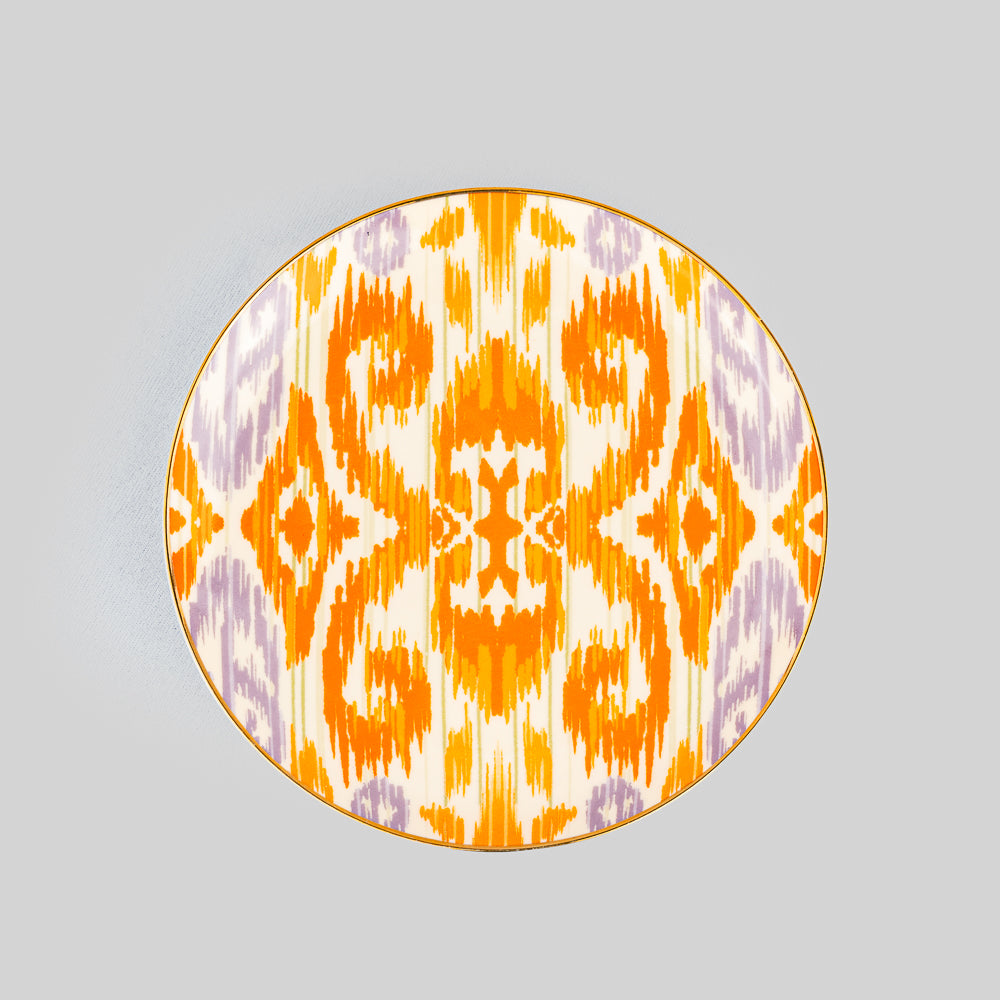
For a more expressive table, look to color and print. Deep jewel tones create drama for evening gatherings. Botanical motifs bring a sense of garden-inspired ease. Hand-painted stripes, abstract illustrations, and heritage-inspired patterns can make a place setting feel collected rather than conventional.
The key is to think beyond the plate alone. Notice the colors in your dining room, the finish of your dining table, and the textiles you already love. A dinnerware set should not disappear into the room, but it should belong there. If your home has warm woods and brass details, earthy glazes, deep greens, or cream tones may feel especially natural. In a brighter, more contemporary space, crisp white, cobalt, or graphic black accents can create a striking contrast.
A Guide to Designer Dinnerware Sets and Layering
The most inviting tables rarely rely on matching every element perfectly. Designer dinnerware gives you the freedom to build a setting in layers, allowing each course and accessory to add a little more personality.
Begin with the dinner plate as your anchor. From there, add a salad plate or bowl in a complementary pattern, not necessarily the same one. A solid-colored plate can calm a printed tablecloth, while a patterned side plate can enliven a neutral base. Glassware, placemats, napkins, and serveware then become part of the composition rather than afterthoughts.
For a polished result, repeat one visual cue across the table. It might be a single color, a warm metallic accent, a botanical motif, or the curve of a scalloped edge. Repetition creates cohesion. Variation keeps the table from feeling overly staged.
A few well-chosen accessories can shift the mood without requiring a new dinnerware set. Textured tablemats bring structure to a simple white place setting. Colored glassware adds a celebratory note. A sculptural serving platter creates a focal point at the center of the table. At Tyetye India, the pleasure lies in building these layers so every element feels useful, beautiful, and part of the story.
Balance Beauty With Everyday Practicality
Luxury should be lived with, not hidden away. Still, practical details deserve attention before you commit to a set. If dinnerware will be used daily, check whether it is dishwasher-safe and microwave-safe. If you regularly serve hot dishes straight from the oven, make sure the material is suitable for that purpose rather than assuming every ceramic piece can handle sudden heat.
Hand-painted and metallic-rimmed pieces often require more thoughtful care. They can be worth the effort for the richness they bring to celebrations, but they may not be the best choice for every hurried weekday meal. A thoughtful approach is to pair a versatile core set with a few special accent plates, bowls, or platters reserved for occasions that call for extra flourish.
Weight is another consideration that is easy to overlook online. A substantial plate can feel luxurious, but a very heavy set may be less comfortable for older guests, children, or frequent use. Likewise, highly textured surfaces are visually compelling, though they may be less practical when you want to stack, store, or clean pieces quickly. Good design accounts for the life a piece will lead after the photographs are taken.
Build a Collection, Not Just a Set
A complete dinnerware set offers a strong foundation, but the table becomes more personal over time. Add serving bowls for shared dishes, a cake stand for celebrations, and a platter that makes even a simple roast or fruit arrangement feel special. These pieces extend the visual language of your dinnerware while giving you more ways to host with ease.
You do not need to purchase everything at once. Begin with the pieces you will reach for most often, then add according to your rituals. Perhaps that means pasta bowls for Sunday suppers, tea cups for long conversations, or dessert plates that make birthdays and small victories feel worth marking.
Let your dinnerware be part of the invitation. Choose the plate that makes you want to set the table, pour something lovely, and gather the people who make a home feel full.