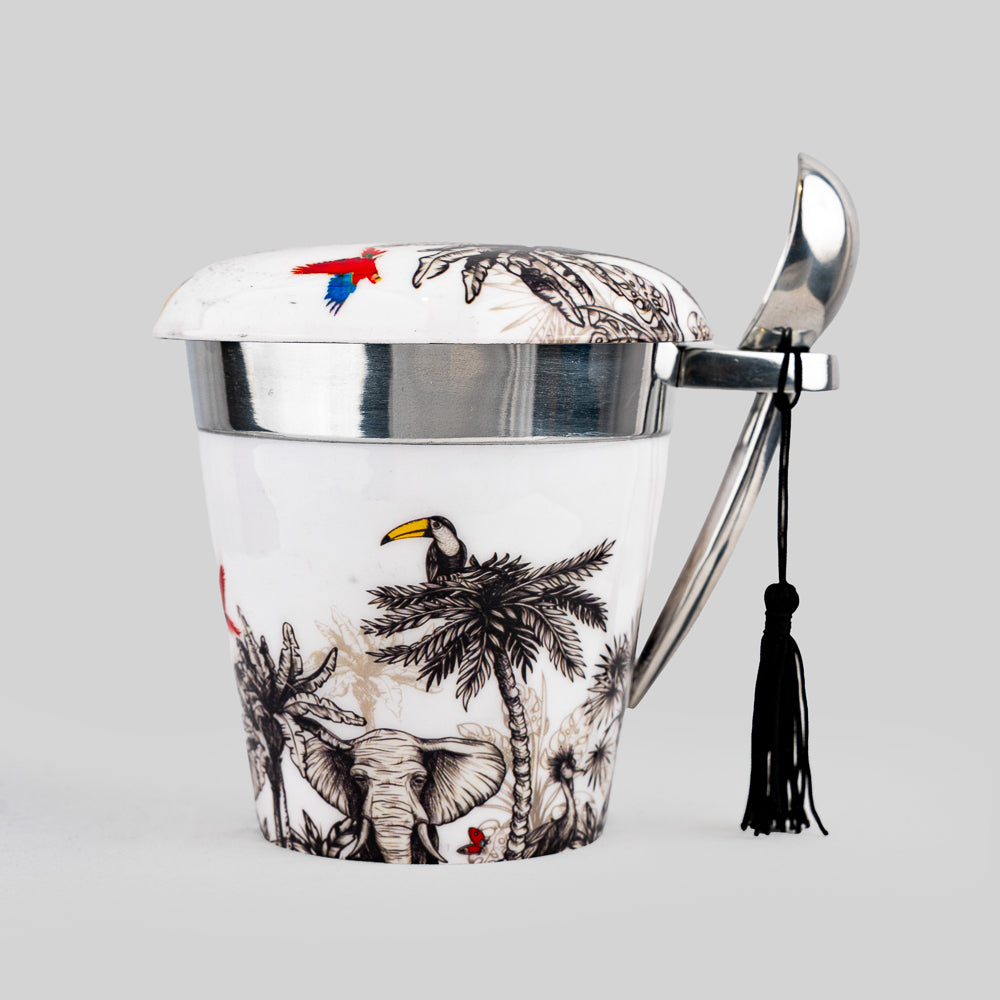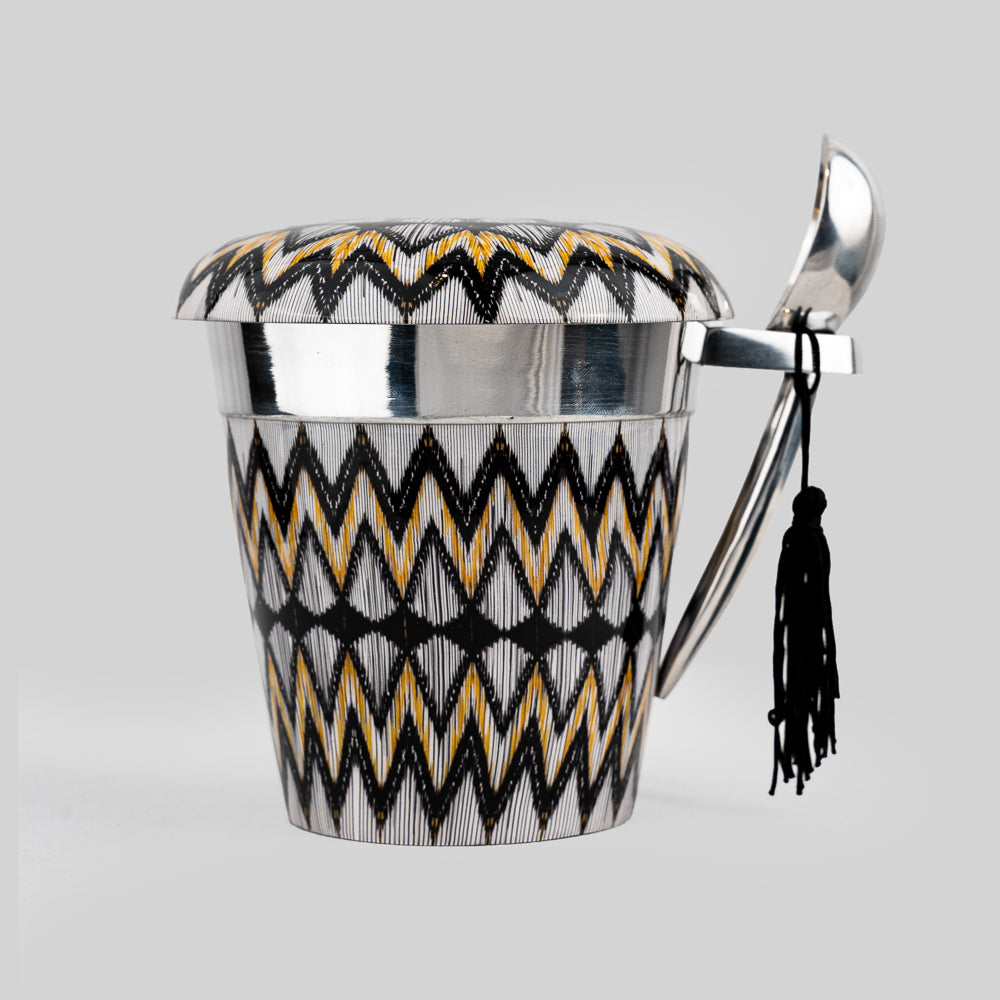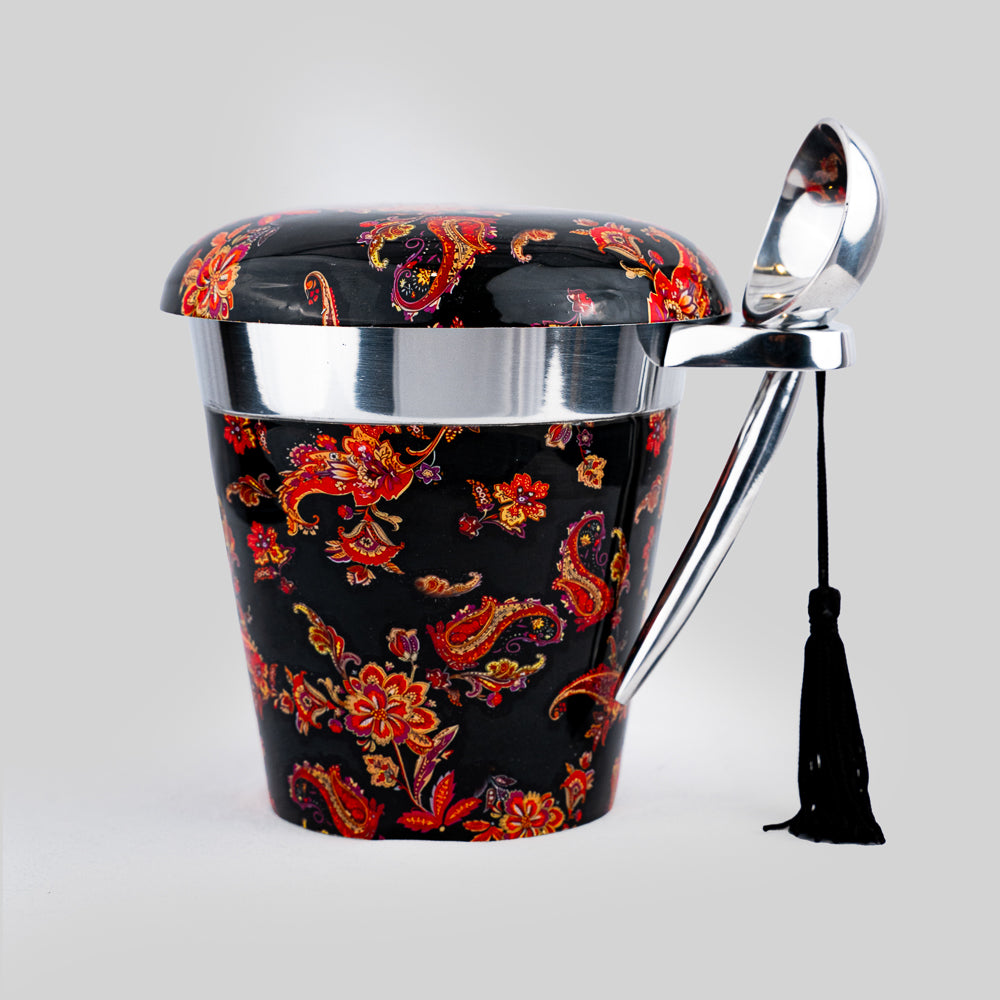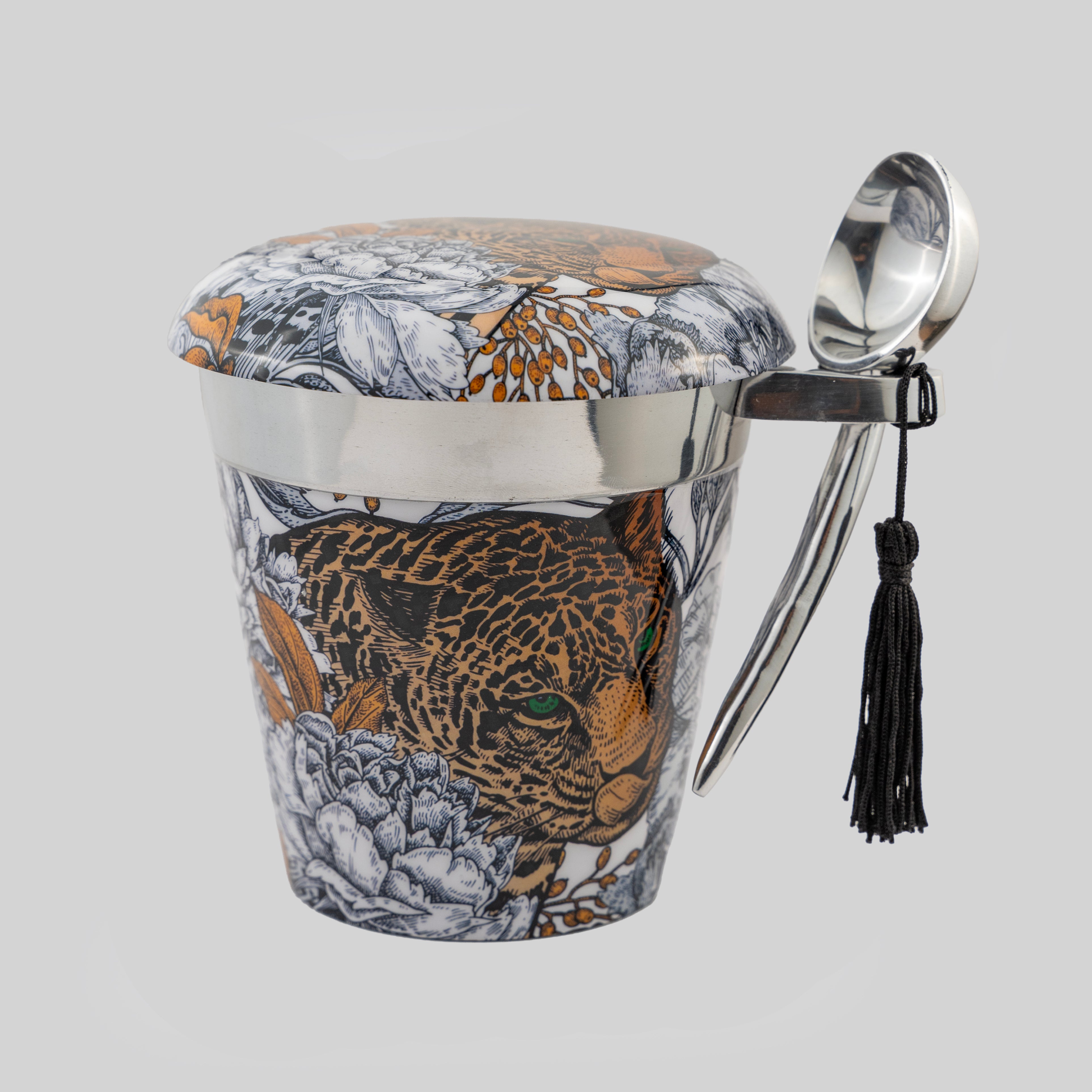


A beautiful table rarely begins with a full redesign. More often, it begins with a shift in intention: a dining surface once reserved for meals becomes a setting for lingering conversations, candlelight, and food served with care. This luxury dining table makeover example shows how a few expressive layers can transform an ordinary dining area into a place that feels ready for a celebration, even on a quiet Sunday afternoon.
The goal is not to make the table feel precious or overly formal. It is to create a composition that has warmth, contrast, and a sense of occasion. Think of it as styling a room at its most intimate scale: every plate, stem, napkin, and serving piece has a role in the story.
The Luxury Dining Table Makeover Example
Picture a six-seat rectangular wood dining table with clean lines and a rich walnut finish. It is beautiful, but it has been left largely bare, with everyday placemats and a simple bowl at its center. The makeover begins by honoring the warmth already present in the wood, then introducing layers that bring depth without hiding its natural character.
Start with an edited foundation rather than a tablecloth that covers the entire surface. A pair of generously sized table runners in ivory, warm sand, or a subtle printed textile creates a visual path down the table while allowing the wood to remain visible at the edges. This is especially effective for a contemporary home where a fully draped table may feel too traditional.
On top, add individual placemats with texture or a distinctive border. Woven fibers, softly patterned prints, and deep jewel tones each create a different mood. For a polished dinner, a neutral runner paired with dark green, burgundy, or midnight blue placemats gives the table a confident, collected presence. If the dining room is already full of color, choose quiet natural textures and let the serveware become the statement.
The centerpiece should feel sculptural but low enough for guests to see one another. A long tray is an elegant anchor because it gives several smaller objects a sense of unity. Fill it with a trio of low glass candleholders, a small floral arrangement, and perhaps a tactile accent such as a polished stone object or a pair of decorative bowls. The arrangement should feel composed, not crowded. Leave breathing room between each element so the table retains its ease.
Build the Place Setting Like a Personal Welcome
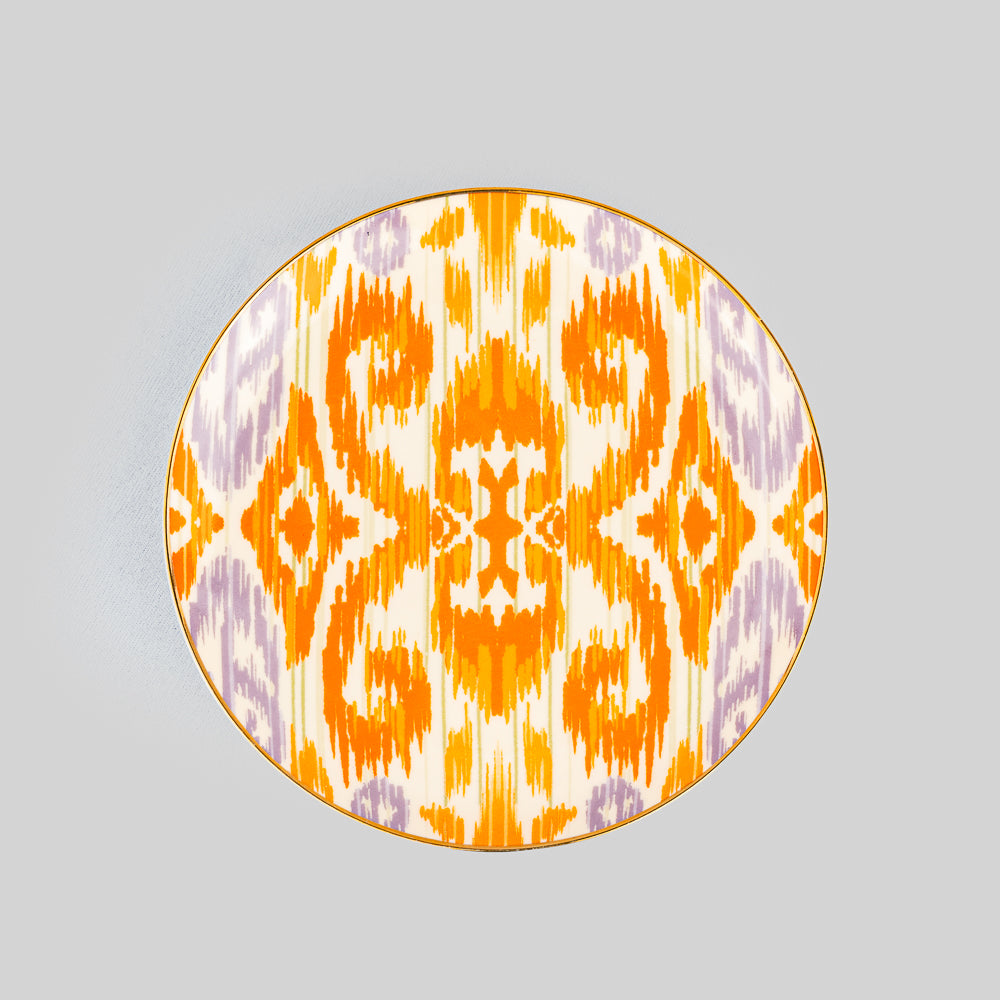
Luxury is often felt in the details guests touch first. Begin each setting with a dinner plate in a refined, versatile tone such as ivory, soft gray, or charcoal. Layer a salad plate with an artistic print or a contrasting rim on top. The mix of quiet dinnerware and expressive accent plates gives the table visual rhythm without requiring a matching set from edge to edge.
A folded napkin brings softness to the arrangement. Instead of placing it flat beneath the cutlery, fold it loosely and secure it with a sculptural napkin ring. Horn-inspired finishes, brushed metal, beads, or handcrafted forms introduce a small note of artistry at every seat. It is a modest detail, yet it changes the experience of sitting down.
Glassware deserves the same attention as dinnerware. Place a water glass and a wine glass at each setting, choosing shapes that feel substantial in the hand. Clear glass keeps the look light and classic, while tinted glassware can deepen the palette and add a sense of drama. If your plates are patterned, simple glassware is usually the better choice. If the dinnerware is restrained, textured or colored glasses can carry more of the visual interest.
Cutlery should be aligned with care, but the setting does not need to feel stiff. Brushed gold flatware warms up earthy palettes and works beautifully with amber glass, floral prints, and candlelight. Matte black or silver finishes offer a cooler, more architectural look. The best choice depends on the mood you want to create, not a rulebook.
A palette that feels richly layered
For this example, the palette is built around walnut, ivory, forest green, and warm gold. The wood provides a natural base, ivory keeps the overall setting bright, green brings depth, and gold catches the light. A few small touches of clear glass prevent the look from becoming too heavy.
This approach works because the colors are connected but not identical. The green placemats echo the stems in the floral arrangement. The gold napkin rings relate to the candleholders. The ivory plates bridge the wood and textiles. When a table setting repeats colors and materials in small, intentional ways, it feels considered rather than assembled at the last minute.
Bring Serving Pieces Into the Design
A dining table makeover is incomplete if the serving pieces only appear after everyone has sat down. Platters, bowls, trays, and beverage vessels can be part of the visual composition from the start.
Place a large serving platter at one end of the table before the meal begins, perhaps layered with linen or holding a small cluster of seasonal fruit. At the other end, position a striking serving bowl that will later hold salad, bread, or a shared side dish. This creates balance across a long table and signals that the meal is meant to be enjoyed communally.
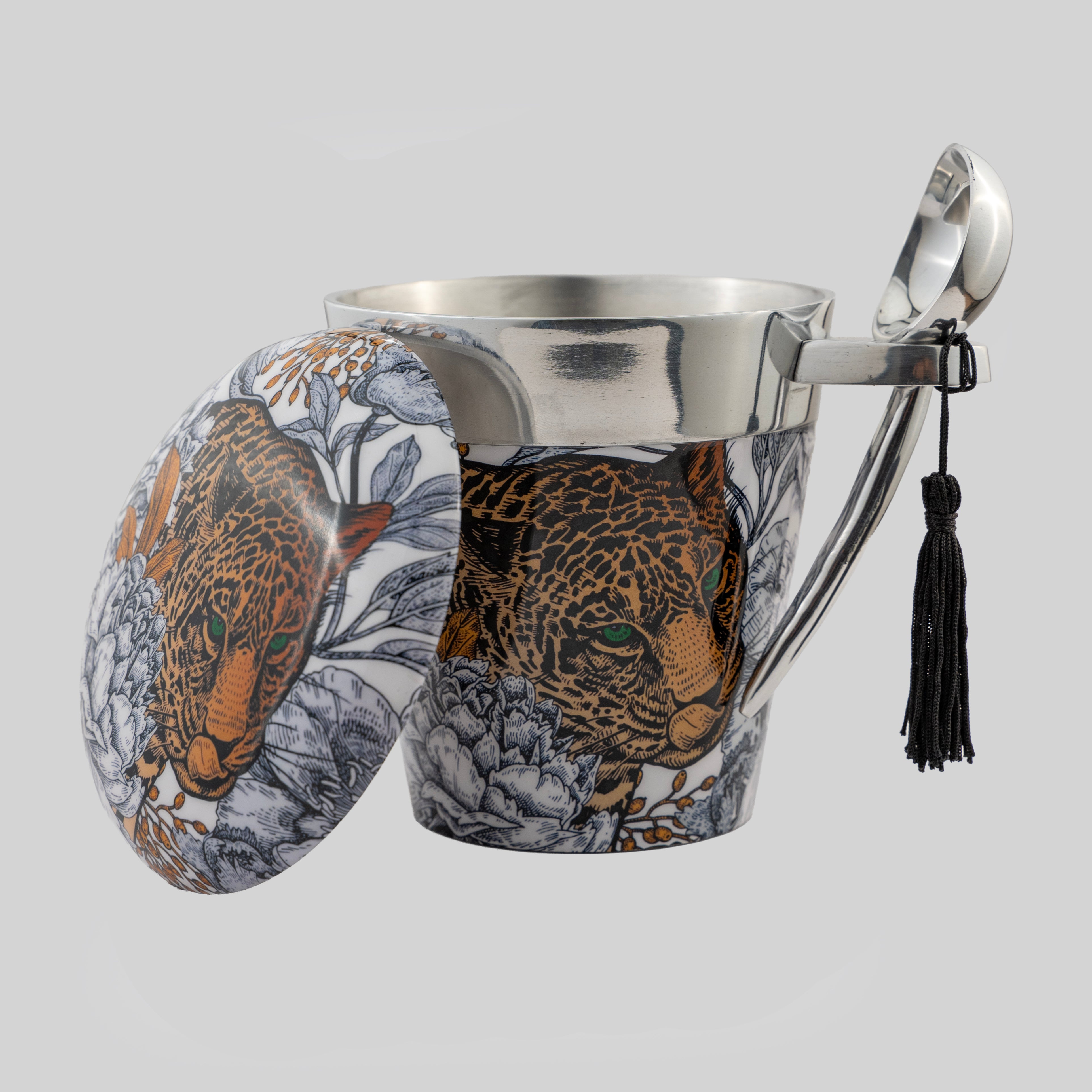
Choose one or two pieces with an unexpected detail: a hand-painted motif, horn-style handles, a sculptural edge, or richly tinted glass. These are the objects that invite a closer look and make an everyday menu feel more ceremonial. Tyetye's expressive tabletop accents are particularly suited to this role, offering pieces that are useful at the table while still feeling like part of the home's decorative language.
There is a practical consideration here. Avoid placing large serving pieces in the center if the table is narrow or the meal requires several shared dishes. In that case, style the centerpiece more lightly and use a nearby console, side table, or bar cart as a serving station. A luxurious table should never make guests reach awkwardly for water or compete for space with the food.
Add Light, Then Edit What Does Not Belong
Lighting determines whether a styled table feels inviting or merely arranged. Use candles in varying heights, but keep flames away from flowers, hanging fixtures, and fabric. Tapers create drama, while low votives offer a softer glow. For a longer table, repeat small candle groupings instead of relying on one oversized centerpiece.
If the room has a pendant light overhead, dim it slightly when possible. The combination of ambient light and candlelight brings out the sheen of glassware, metallic accents, and glossy ceramic surfaces. It also softens the contrast between different colors and textures, making the entire setting feel more cohesive.
The final step is editing. Remove anything that feels like it was added simply because there was space: extra decorative objects, excessive florals, or too many competing prints. A luxury table should have moments of visual surprise, but it also needs calm. The empty space around a plate and the visible grain of a dining table are as valuable as the objects placed on them.
Make the Look Work Beyond One Dinner
The most successful makeover is not one that only works for a photographed occasion. It should adapt to the way you actually host. For a weekend brunch, keep the runner and placemats, then swap wine glasses for coffee cups and add a cake stand or fruit bowl. For a festive dinner, bring in deeper napkins, extra candles, and a more abundant centerpiece. For a quiet meal for two, use the same layered plates and glassware at just one end of the table, allowing the rest of the surface to remain open.
This flexibility is why collecting a few thoughtful tabletop pieces is more rewarding than buying a large, overly coordinated set. A beautiful tray can center candles one week and serve drinks the next. A patterned platter can hold a main course, then become a decorative object on a sideboard. The pieces earn their place by moving easily between function and beauty.
Before your next gathering, set the table a little earlier than necessary. Pour a glass of water, sit in one of the chairs, and look at the table from a guest's point of view. If it feels warm, balanced, and easy to use, you have created more than a styled dining surface. You have made room for a memorable evening to unfold.