

A buffet should feel like an invitation, not a traffic jam. Knowing how to arrange buffet dishes turns a generous spread into a composed tablescape - one where guests can serve themselves easily while every platter, glass, and finishing detail feels considered. The secret is not filling every inch of the table. It is creating a graceful rhythm between food, function, and beauty.
Whether you are hosting an intimate brunch, a festive family lunch, or an evening of drinks and small plates, let the buffet guide the experience. A well-arranged table allows guests to move naturally, admire the menu, and settle into conversation rather than searching for a serving spoon or balancing a plate in confusion.
Start With the Guest’s Journey
Before placing a single dish, picture how someone will approach the buffet. Where do they pick up a plate? What do they serve first? Where can they pause without holding up the next guest? This simple mental walk-through is the foundation of an effortless setup.
For a traditional meal, arrange the table in the order guests will build their plates: dinner plates first, followed by main dishes, sides, bread, and accompaniments. Keep cutlery and napkins at the end of the line if guests will need both hands while serving. Drinks belong on a separate surface whenever possible. It keeps the food table calmer and avoids the familiar bottleneck around water glasses and ice.
A smaller gathering gives you more freedom. You may set plates at each place setting and use the buffet as a shared display of serving pieces. For larger groups, a clearly defined serving sequence matters more. The right choice depends on the size of the room, the menu, and whether guests will be seated or grazing throughout the event.
How to Arrange Buffet Dishes With Balance
Begin with the largest pieces. A generous platter for the main course, a covered serving dish for warm food, and a wide bowl for a substantial salad create the structure of the table. Place these anchors first, leaving enough room for serving utensils and for guests to reach each dish without brushing against another.
Then build visual movement through height. A buffet arranged on one flat level can look crowded, even when the menu is beautifully prepared. Raise selected dishes on cake stands, sturdy risers, or a stack of design-led books concealed beneath a cloth. Use elevation sparingly: one or two lifted elements usually feel more elegant than a row of competing pedestals.
Keep the tallest pieces toward the back if the table is against a wall. If guests can approach from both sides, reserve height for the center and maintain lower dishes around the edges. This preserves sightlines across the table, allowing the food to remain part of the conversation.
Color should travel across the arrangement rather than collecting in one place. If a bright citrus salad sits at one end, echo its freshness with a small bowl of lemons, a printed tablemat, or a floral accent farther along. Likewise, repeat materials with intention. A warm horn-handled serving spoon beside a richly toned platter can lend depth and character without making the setting feel overly matched.
Give Every Dish Room to Be Served
Beautiful hosting is practical at its core. Each platter needs its own serving utensil, and each utensil needs a resting place. Position handles facing outward or toward the direction from which guests will approach. A small spoon rest, side plate, or folded cocktail napkin prevents sauce-coated spoons from ending up on the tablecloth.
Avoid placing dishes too close together, especially when the menu includes gravies, dressings, or anything that requires a ladle. Leave a little breathing room around messier dishes. It protects your presentation and helps guests serve themselves with confidence.
Place sauces, chutneys, relishes, and toppings near the dish they accompany rather than gathering them in a separate corner. A bowl of herbs belongs near the roasted vegetables it will finish; a basket of bread makes sense beside butter, dips, or cheese. When the pairing is obvious, guests can build a better plate without asking questions.
Temperature deserves equal attention. Hot food should arrive at the buffet in heat-safe vessels and, for a longer event, be supported by warming equipment. Cold dishes are best replenished in smaller portions rather than left out in large bowls for hours. A buffet can still look abundant when you hold back a second platter in the kitchen. In fact, fresh refills often make the spread feel more cared for.
Create a Table That Feels Composed, Not Staged
A tablecloth, runner, or placemats establish the mood before the food appears. Choose a base that supports the menu and the occasion. Crisp linen feels fitting for a light lunch; a richly patterned textile can bring warmth to a celebratory Indian-inspired spread; natural textures suit a relaxed weekend gathering.
Once the foundation is set, introduce decorative details with restraint. A low arrangement of flowers, a bowl of seasonal fruit, or a pair of taper candles can frame the food beautifully. Keep fragrance subtle and height controlled. Guests should notice the aroma of the meal, not compete with a heavily scented centerpiece.
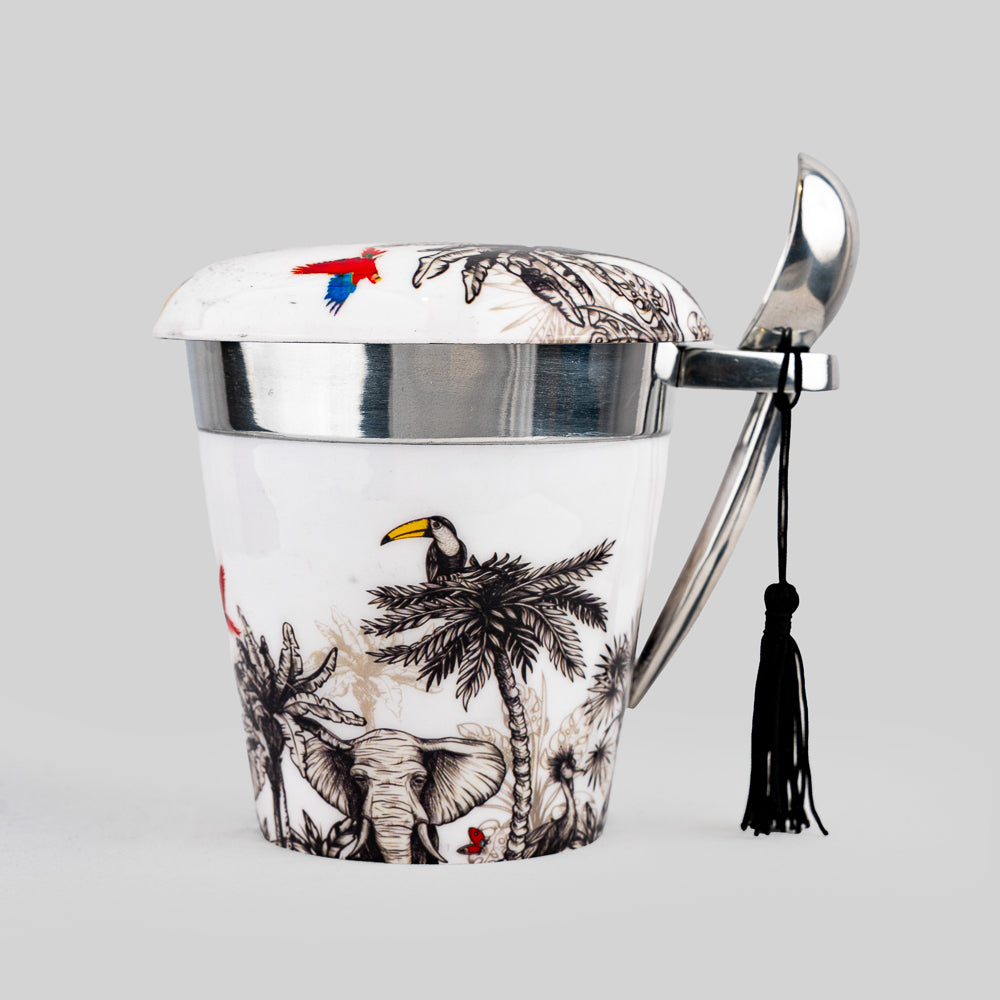
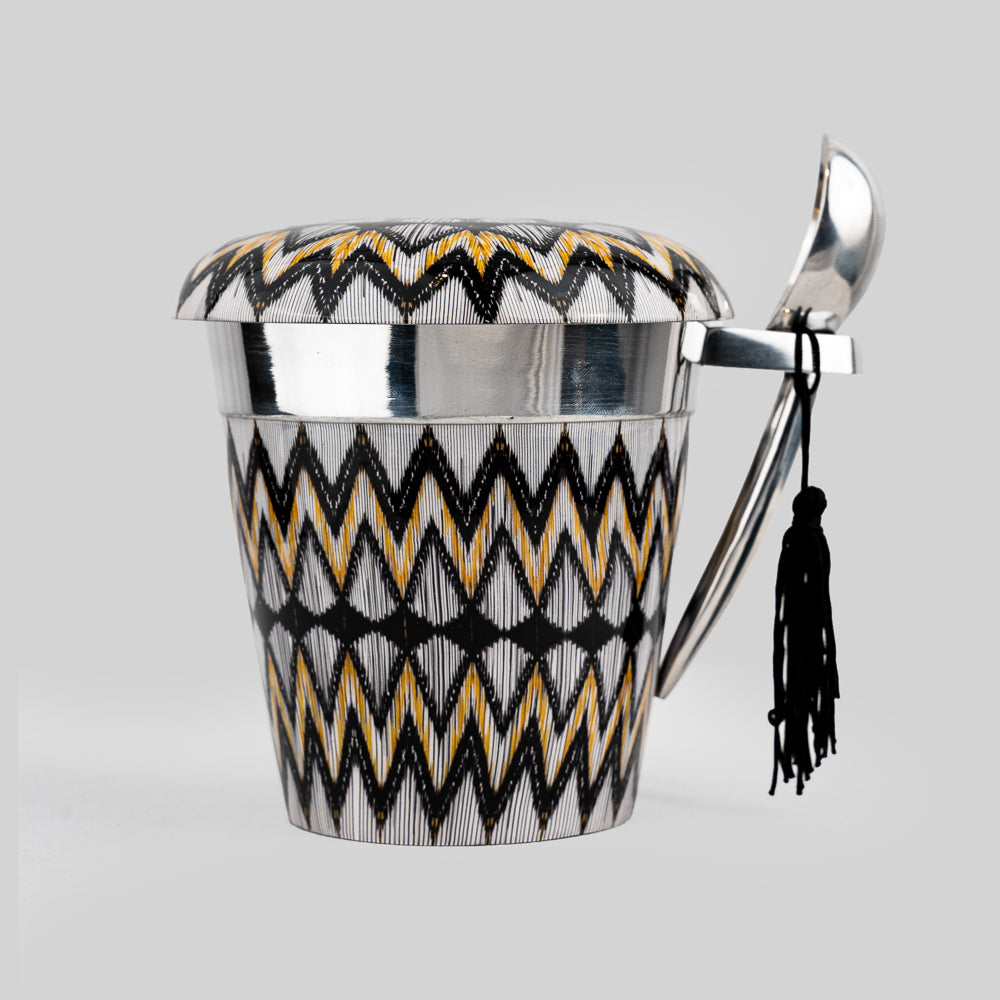
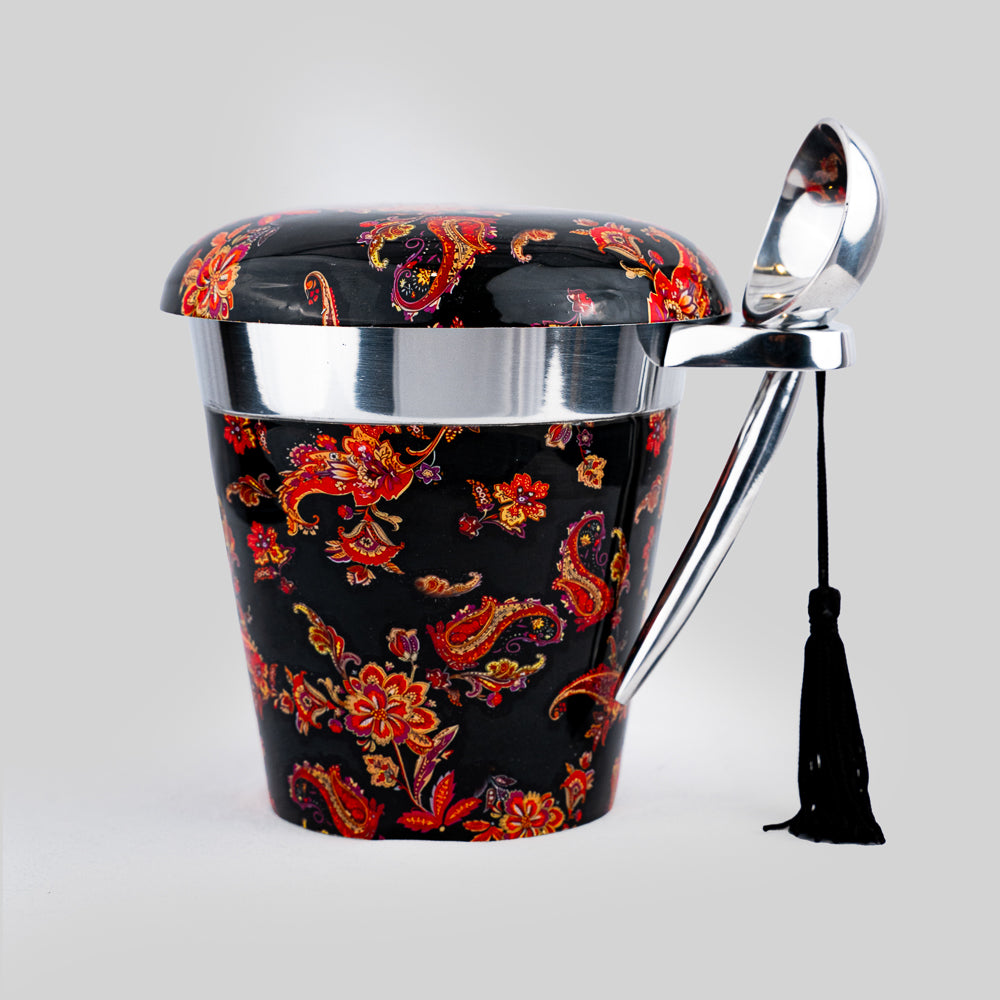
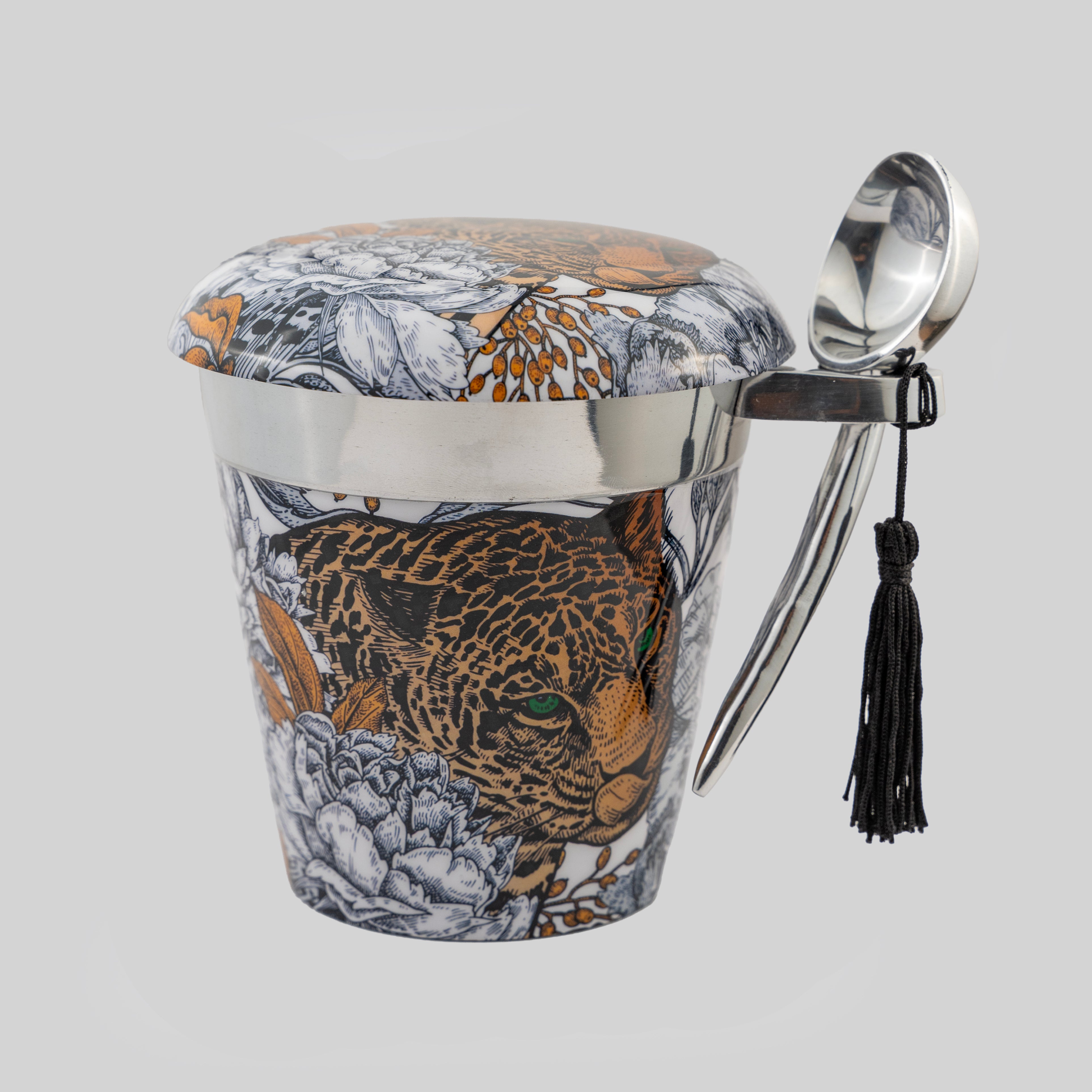
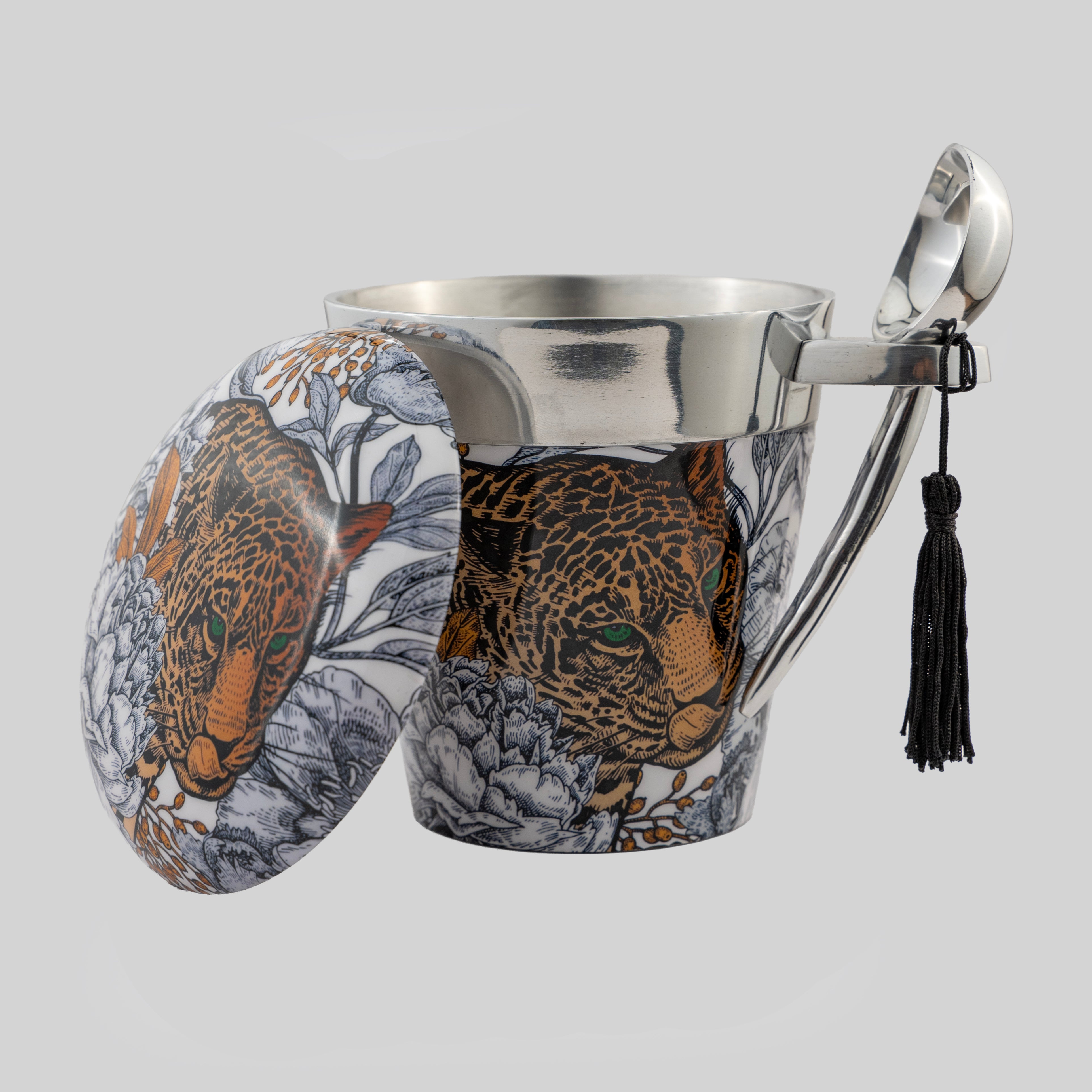
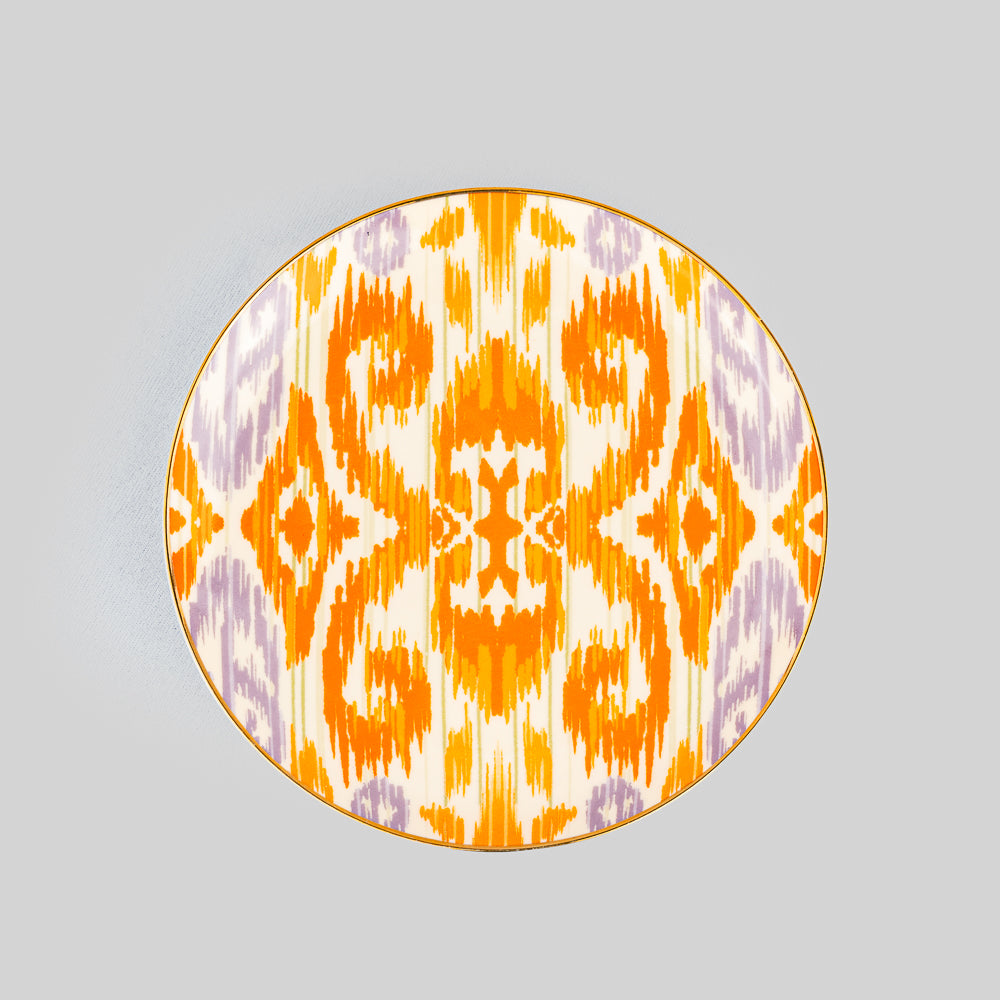
This is where serveware does more than carry food. An expressive tray can gather small bowls of olives or sweets into one elegant moment. A statement platter gives even simple roasted vegetables a sense of occasion. Glass bowls catch candlelight and make colorful salads, desserts, or citrus slices feel luminous. At Tyetye, the most memorable tabletop pieces are designed for precisely this balance: practical enough to use, distinctive enough to be remembered.
Do not feel obliged to make every dish identical. A layered collection often feels more personal than a perfectly matched set. Unite different pieces through one or two common threads - perhaps warm metallic accents, a shared palette of ivory and deep green, or repeated organic forms. The goal is harmony, not uniformity.
Separate Drinks and Dessert When You Can
A dedicated beverage station is one of the simplest ways to improve the flow of a party. Place water, glasses, ice, and nonalcoholic drinks together, ideally away from the main buffet. If you are serving wine or cocktails, arrange them on a bar cart, console, or side table with napkins and a discreet vessel for used bottle caps or garnishes.
Dessert also benefits from its own moment. Bringing it out later refreshes the room and gives guests a reason to gather again. If space is limited and dessert must share the buffet, place it at the opposite end from the savory dishes. Use smaller plates nearby so guests are not trying to balance a slice of cake on a full dinner plate.
The Finishing Pass Before Guests Arrive
Just before the doorbell rings, step back several feet from the table. Look for visual clusters, empty patches, and anything that blocks easy serving. Check that labels are readable, especially if there are vegetarian, spicy, or allergen-sensitive dishes. Simple handwritten place cards can feel warm and personal while saving guests from uncertainty.
Light candles only when food is in place, wipe the rim of each bowl, and remove packaging, extra utensils, or kitchen clutter from view. Keep a small stack of fresh napkins and a discreet backup set of serving spoons nearby. These details are rarely noticed on their own, but together they make hosting feel unhurried.
The loveliest buffet does not announce how much work went into it. It simply gives people a beautiful place to gather, serve themselves, and stay a little longer.