

A well-styled home bar changes the character of a room long before the first drink is poured. It gives a living area a sense of occasion, turns a quiet evening into a small ritual, and tells guests that their comfort has been considered. The most memorable home bar styling is not about displaying every bottle you own. It is about creating a composed, inviting moment where form and function meet.
Whether your bar lives on a dedicated cart, a sideboard, a console table, or one beautifully arranged tray, the same principle applies: curate with intention. A few expressive pieces, chosen for their material, color, and presence, will always feel more luxurious than a crowded collection.
Begin With the Mood, Not the Bottles
Before arranging glassware or selecting a tray, decide how you want the space to feel. A bar corner can be tailored to the room around it. In a richly layered living room, deep amber glass, dark wood, and warm metallic details create a club-like intimacy. In a light-filled apartment, clear glassware, pale stone, and a crisp lacquered tray feel fresher and more architectural.
This mood should guide every choice that follows. Consider the palette already present in the room: the upholstery, art, wood tones, and metal finishes. Your bar does not need to match every element exactly, but it should feel like a natural extension of the space rather than a separate display dropped into it.
A home bar also benefits from a point of view. Perhaps it is inspired by old-world cocktail hours, coastal afternoons, jewel-toned maximalism, or clean contemporary lines. Naming the feeling helps you edit. If an object does not support the story, it may be beautiful, but it does not need to live on the bar.
Use a Tray to Create a Beautiful Boundary
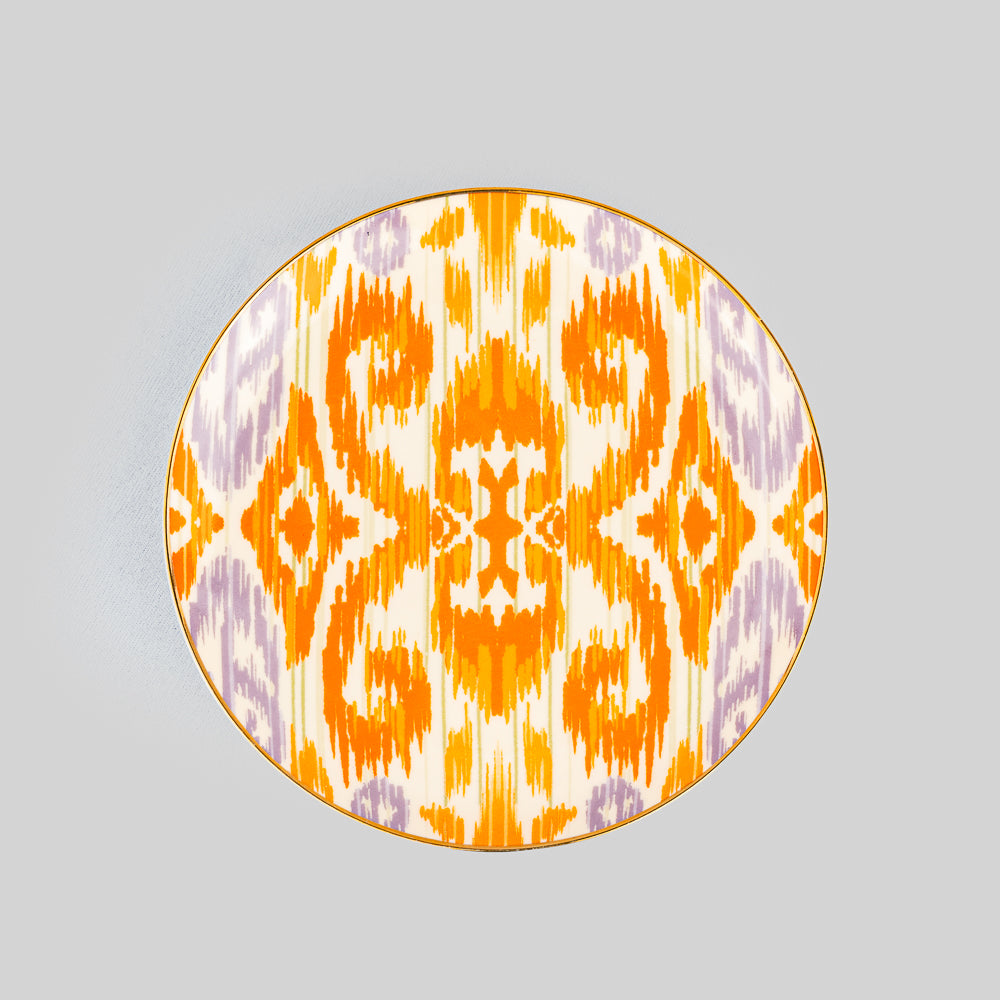
A tray is the quiet foundation of polished home bar styling. It turns a loose group of objects into a deliberate arrangement and makes serving easier when the evening moves from one room to another. Choose one with enough presence to anchor the display: a richly printed surface, sculptural handles, a refined metallic edge, or an expressive natural finish.
Scale matters. A tray that is too small can make bottles and glassware feel precarious, while one that is oversized may look sparse unless it is styled with confidence. On a compact console, allow a little breathing room around the tray. On a larger sideboard, a generous tray can hold the bar arrangement while leaving space nearby for a lamp, a stack of art books, or a framed photograph.
Keep the center grounded with the pieces you reach for most often. One or two favorite spirits, a carafe, or a cocktail shaker may form the functional core. Then soften the composition around them with smaller elements such as coasters, a lidded bowl for garnishes, or a beautiful bottle opener. The result should look considered from across the room and effortless from arm's reach.
Choose Glassware With Personality
Glassware is where a home bar becomes personal. Rather than buying a large matching set for every imaginable drink, begin with versatile silhouettes you genuinely enjoy using. A set of low tumblers, elegant highballs, and stemmed glasses can cover most occasions while offering visual variety.
Mixing styles can be especially effective when there is one unifying thread. You might pair clear cut-glass tumblers with colored coupes, connected by warm brass coasters. Or combine contemporary wine glasses with artisan-style decanters on a richly patterned tray. The goal is contrast with harmony, not a showroom-perfect uniformity.
Think about how glassware appears when it is not in use. A few glasses placed upright or gently stacked can add sparkle and height. Too many, however, can make the setup feel like open shelving in a restaurant. Keep the everyday selection visible and store the rest nearby for larger gatherings.
For entertaining, details make the gesture feel complete. Beautiful coasters protect your surfaces while giving each guest a small, tactile place setting. A pair of cocktail napkins, a graceful stirrer, and a well-chosen garnish bowl make even a simple gin and tonic feel like an invitation.
Let Materials Create Contrast
The most collected-looking bars combine materials rather than relying on one finish alone. Glass catches light. Metal adds polish. Wood brings warmth. Ceramic, horn-inspired accents, woven textures, and stone add depth that keeps the arrangement from feeling flat.
There is a balance to strike. If your tray is highly decorative, let the glassware and tools be cleaner in shape. If your barware is sculptural or colorful, a simpler base may give it room to shine. Luxury often comes from restraint: one statement element, supported by quieter companions.
Arrange in Layers, Not Rows
A bar display should have a sense of movement. Lining every bottle and glass against the wall may be tidy, but it can also feel static. Build gentle layers instead. Place the tallest item toward the back, such as a decanter, wine bottle, or vase. Add medium-height forms in the middle, then lower objects at the front where they remain easy to reach.
Odd-numbered groupings tend to feel relaxed and visually balanced. A decanter, a small bowl, and a candle can form a pleasing cluster. Still, symmetry has its place, especially on a formal sideboard. Two matching lamps or a pair of candleholders framing a central tray can lend an elegant, ceremonial quality.
Leave negative space. This is one of the simplest ways to make a bar look more expensive. A little empty surface lets the materials, silhouettes, and reflections register. It also leaves room for the practical realities of hosting: setting down a bottle, opening wine, or arranging a few drinks before serving.
Add Light and One Living Element
A bar corner comes alive in the evening when it has its own glow. A small table lamp is often more flattering than overhead lighting, casting warmth across glass and metal. If a lamp does not suit the surface, a candleholder with unscented candles can create a similarly intimate effect. Avoid strongly fragranced candles near drinks, where scent can interfere with taste.
Add one living or organic note to soften the polished surfaces. A small arrangement of seasonal branches, a single bloom in a bud vase, or a bowl of citrus gives the arrangement a sense of freshness. Lemons, limes, and oranges are both decorative and useful, but they should be replenished before they lose their luster.
This is also where the bar can reflect the season without becoming themed. In warmer months, use bright citrus, clear glass, and lighter textiles. In cooler months, bring in darker glass, spiced garnishes, and candlelight. The shift can be subtle. A beautiful home should evolve with the moments lived inside it.
Style for the Way You Actually Host
The best-looking bar is one that works without fuss. If you regularly make cocktails, keep a shaker, jigger, and strainer accessible rather than hidden for the sake of a minimal display. If your gatherings are more likely to involve wine and conversation, prioritize a handsome corkscrew, wine glasses, and a vessel for chilled bottles.
Consider your surface honestly, too. A bar cart invites a fuller arrangement because its shelves offer storage and visual layering. A narrow console calls for a more edited setup. In a small home, a single tray on a coffee table or side table can become a mobile bar for the evening, then return to holding books or candles the next day.
There is no need to display every label, accessory, or collectible. Keep the premium bottles that feel special, the tools that perform well, and the objects that add character. Everything else can be stored close by. This edit makes the bar easier to use and preserves the sense of calm that makes guests want to linger.
Give the Space a Signature Detail
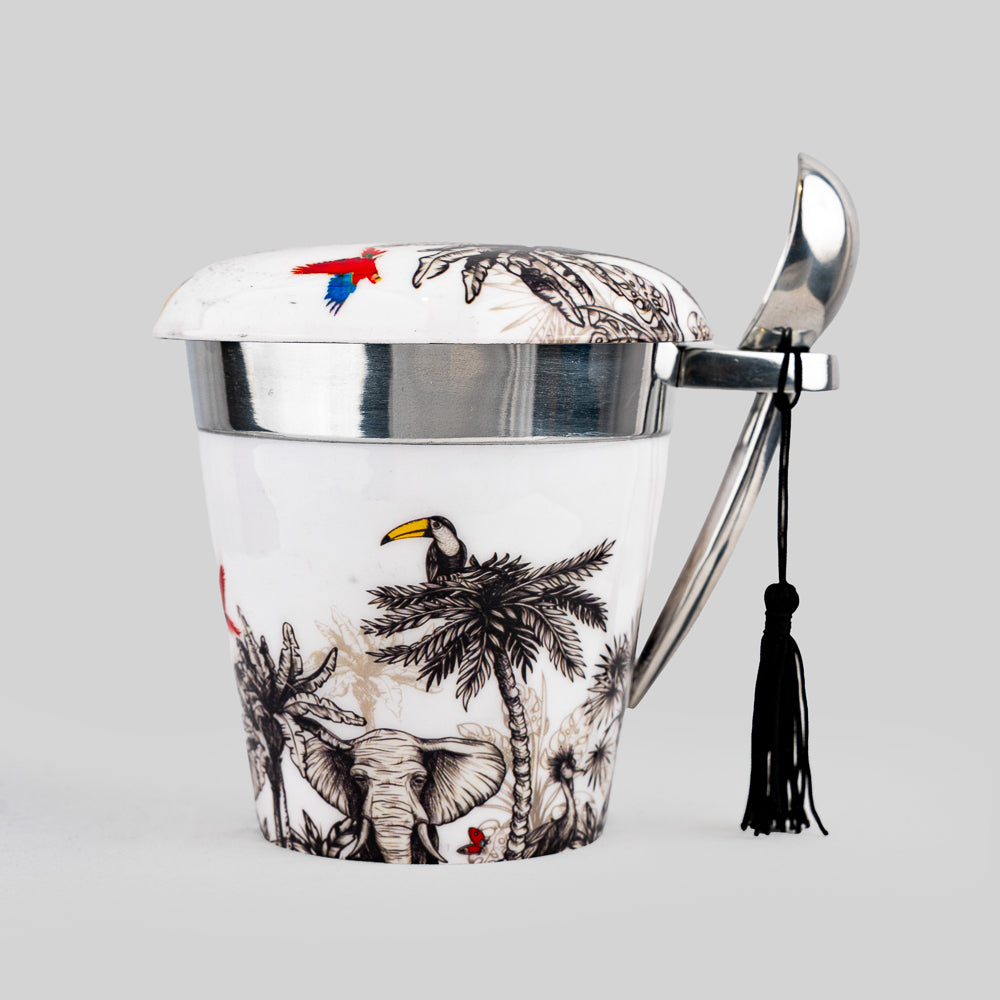
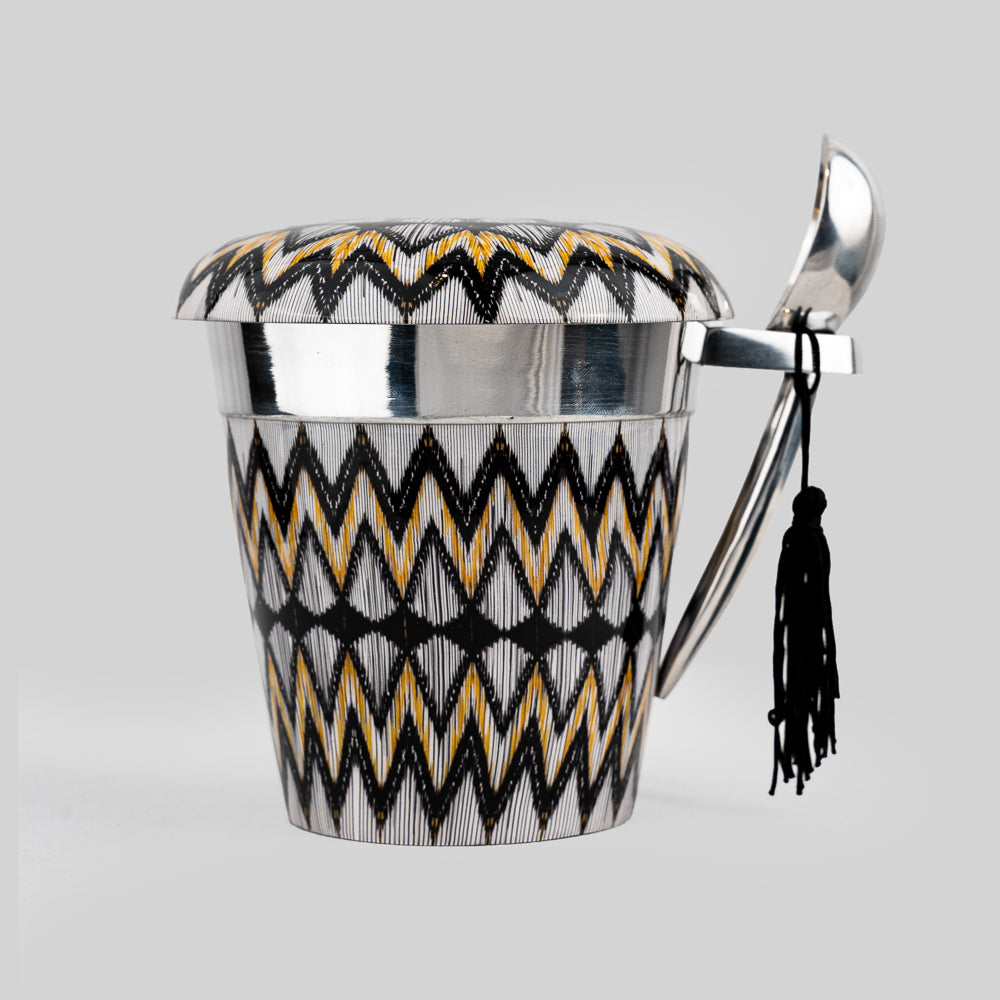
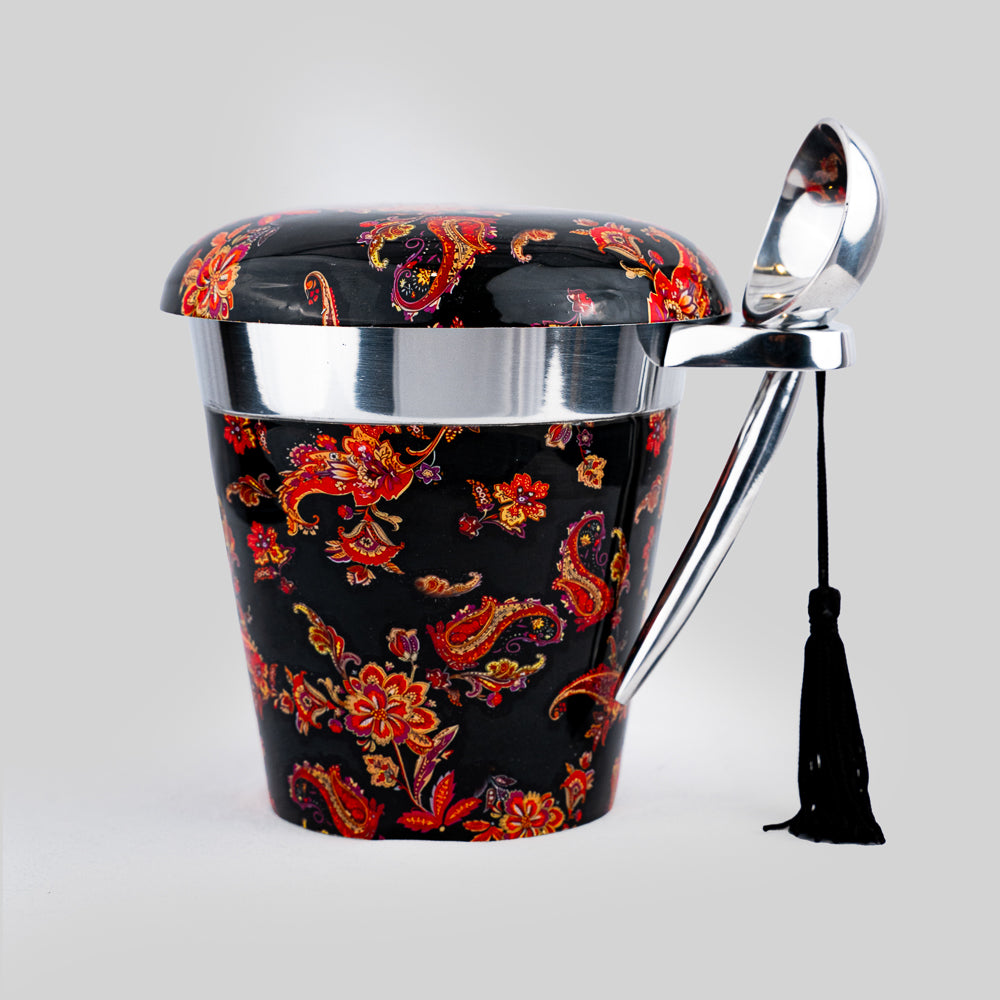
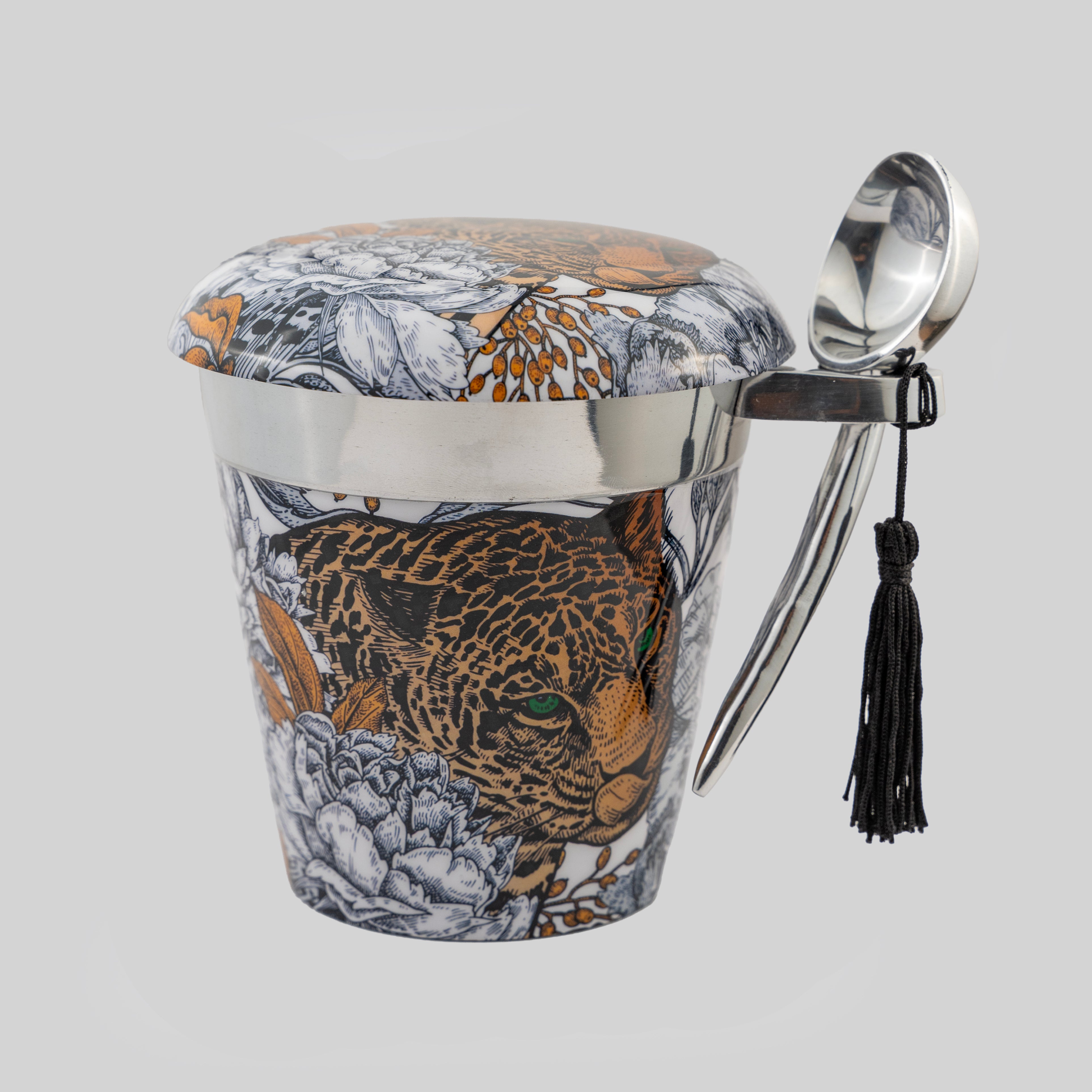
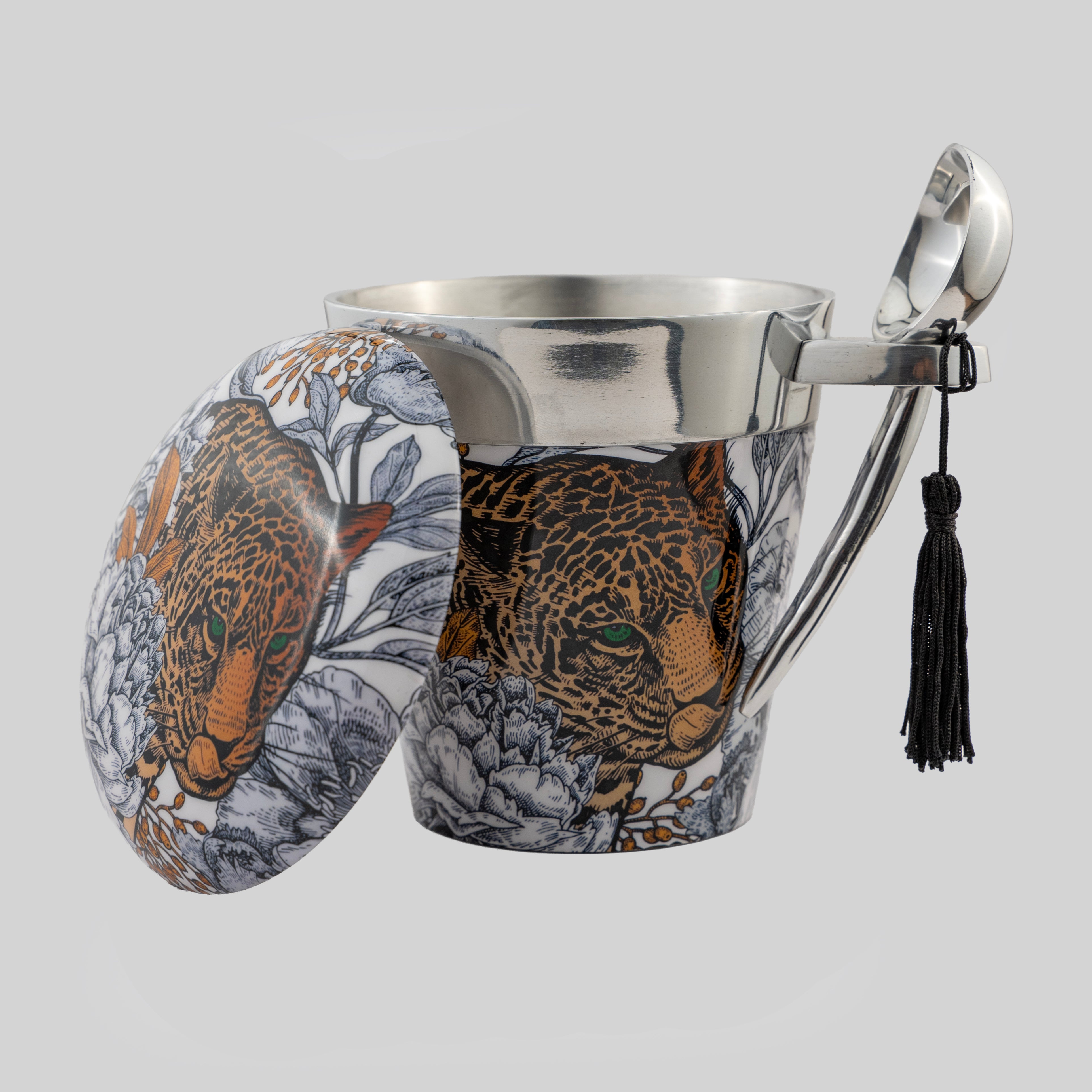
The final layer is the one guests remember. It may be a pair of horn-handled serving pieces, a jewel-toned coaster set, a sculptural ice bucket, or a small frame holding a photograph from a favorite trip. At Tyetye, the idea is simple: practical objects can carry beauty, memory, and conversation in equal measure.
Do not be afraid of a detail with a little drama. A home bar is one of the few places where a playful print, an unusual handle, or a richly colored glass can feel entirely at home. The key is to repeat its tone once elsewhere in the arrangement, perhaps in a napkin ring, tray, or candleholder, so the look feels composed rather than accidental.
Refresh the space before guests arrive, but allow it to become lived-in as the evening unfolds. A bar is at its most beautiful with a few poured glasses, a bowl of citrus, and the promise of another story about to begin.