

A cheese board is often the first thing guests gather around and the last detail they remember. It invites people to linger, pour another glass, and reach for one more perfect bite. The best cheese boards for hosting do more than hold food beautifully - they create a sense of abundance, ease, and occasion before dinner has even begun.
For a relaxed wine night, a compact board can feel intimate and effortless. For a birthday lunch or holiday gathering, a generous platter becomes part of the tablescape itself. The right choice depends on your guest count, your serving style, and the visual mood you want to set.
What Makes the Best Cheese Boards for Hosting?
A beautiful cheese board needs presence, but it also needs purpose. It should offer enough room to arrange cheeses, fruit, crackers, and accompaniments without making the spread feel crowded. It should be stable enough to slice on, easy to carry from kitchen to table, and proportioned for the way your guests will actually eat.
Start by considering the shape. Round boards soften a table setting and encourage guests to gather from every side, making them especially lovely for coffee-table entertaining or a small group seated close together. Rectangular boards create a more structured, abundant look. They suit long dining tables, buffet-style spreads, and hosts who enjoy arranging food in neat, layered sections.
Handles can be equally practical and decorative. A board with sculptural handles is easier to move when laden with fruit and glass jars, while also adding an accent of metal, horn-inspired detail, or warm wood to the table. If the board will travel frequently between kitchen and dining room, that small consideration makes hosting feel much more composed.
Size matters more than most hosts expect. A board that is too small forces crackers into bowls and grapes onto separate plates, breaking the visual generosity of the arrangement. One that is too large for a gathering of four can look underfilled unless you plan to use it as the center of a larger spread. For four to six guests, a medium board with room for three cheeses is usually ideal. For eight or more, choose a substantial platter or use two complementary boards rather than trying to crowd everything onto one surface.
Choose a Material That Suits Your Table
The material of a cheese board shapes both its look and its maintenance. There is no single best option for every host. A carefully chosen board should work with your lifestyle as naturally as it works with your dinnerware and glassware.
Wood for warmth and character
Wooden cheese boards remain a favorite for good reason. Their natural grain brings warmth to a formal table and makes even a simple arrangement of brie, figs, and almonds feel inviting. Acacia, teak, mango wood, and walnut each offer a distinctive depth of color, from honeyed and relaxed to dark and dramatic.
Wood is especially suited to hosts who prefer a layered, collected table rather than a highly matched setting. Pair it with linen napkins, artisanal ceramics, and clear or tinted glassware for a table that feels personal rather than overly precious.
The trade-off is care. Wood should be hand-washed, dried promptly, and occasionally conditioned with food-safe mineral oil. Avoid soaking it or placing it in the dishwasher. If you serve strongly colored foods such as beet dip, berries, or balsamic reductions, use a small bowl or ramekin to protect the surface.
Marble for a polished, celebratory mood
Marble boards bring instant refinement. Their naturally cool surface is particularly useful for soft cheeses, butter, and chocolate, all of which benefit from staying chilled a little longer. White marble feels crisp and classic against vibrant fruit, while darker stone creates a more dramatic setting for pale cheeses and golden crackers.
A marble board is a lovely choice for formal brunches, cocktail hours, and celebrations where the serving pieces are meant to feel like part of the décor. It works beautifully with gold-toned accents, elegant coasters, and stemware that catches candlelight.
Its weight is both an advantage and a consideration. Marble feels substantial and stays firmly in place, but it can be less convenient to carry when fully arranged. It also may stain if acidic foods or deeply pigmented preserves are left on the surface for too long. Serve jams, olives, and marinated vegetables in petite bowls, then let the stone frame the composition.
Slate for a modern, graphic presentation
Slate offers a more contemporary point of view. Its charcoal surface makes creamy cheeses, green grapes, and pale crackers stand out with striking contrast. It can suit an evening gathering with bold glassware and a more architectural tablescape.
Some slate boards allow you to write directly on the surface with food-safe chalk, which is charming when guests are tasting unfamiliar cheeses. Labeling can make a spread feel thoughtful without becoming formal. Still, slate can chip at the edges and is not always ideal for vigorous cutting, so treat it as a serving surface rather than a hardworking chopping board.
Ceramic and porcelain for color and artistry
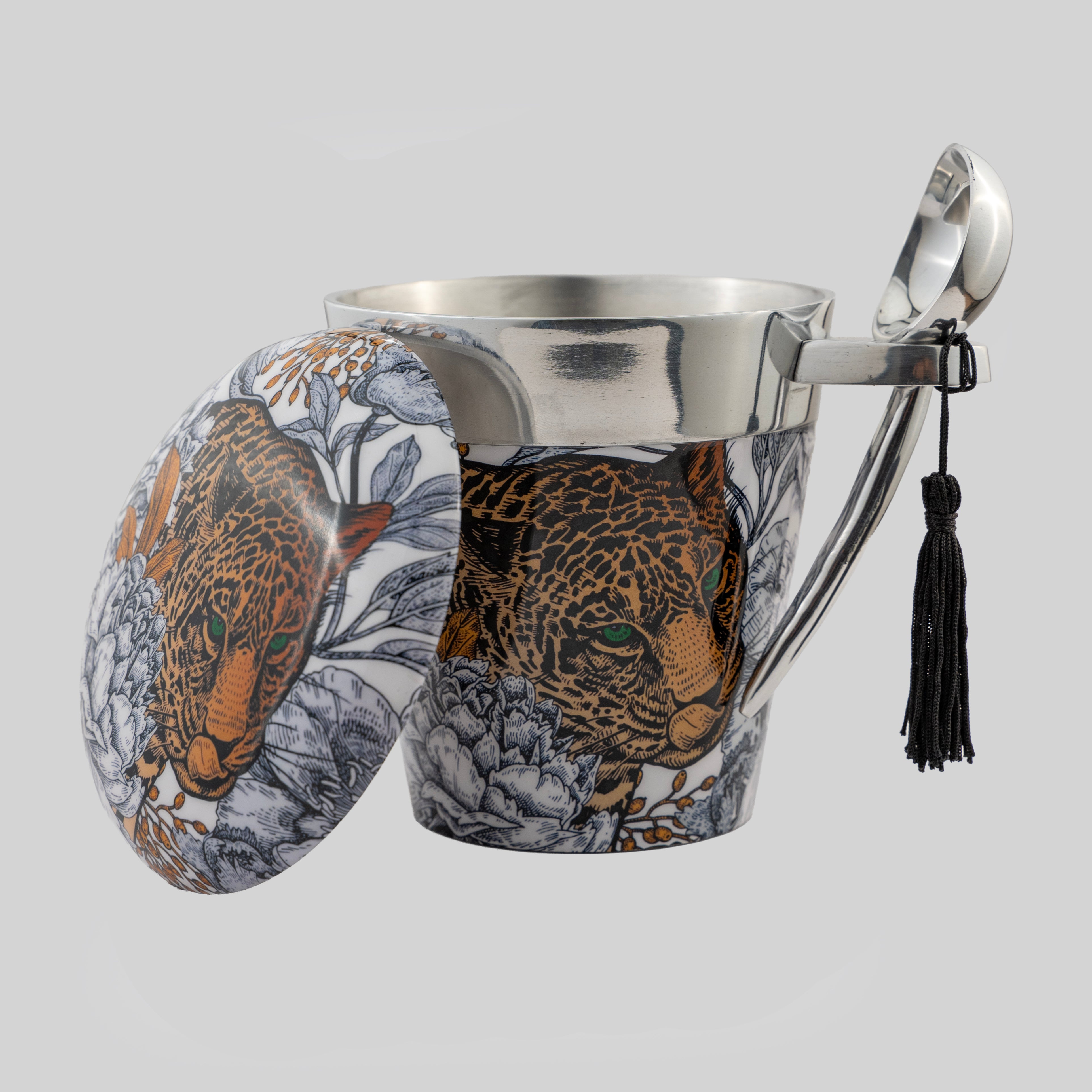
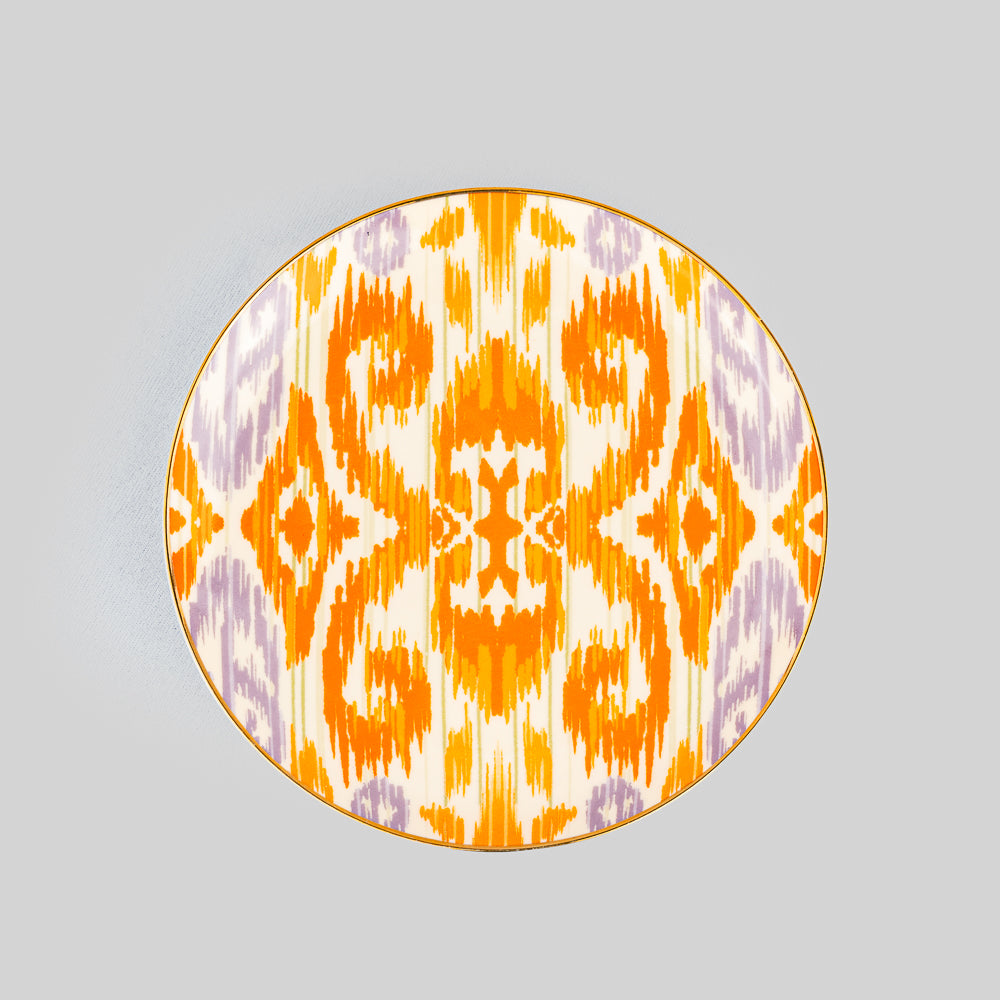
A ceramic platter may be the most expressive choice of all. Printed surfaces, hand-painted edges, and sculptural forms bring color into the arrangement before the food is even placed. This is the board to choose when entertaining is as much about visual storytelling as it is about serving.
Ceramic is particularly appealing for smaller gatherings, dessert-and-cheese pairings, or a board built around a theme such as Mediterranean aperitivo or an autumn harvest table. Look for a gently raised rim if you plan to serve juicy fruit, honeycomb, or olives. A flat platter feels more open and sculptural, but a rim gives you a little more security.
Build the Board Around How Guests Will Gather
The most memorable cheese boards are designed for movement. Guests should be able to reach, choose, and return without asking where the knife is or worrying that a cluster of grapes will tumble onto the table.
Begin with two to four cheeses, depending on the size of the board. A satisfying mix usually includes one soft cheese, one firm or aged cheese, and one option with a distinct personality, such as blue cheese, washed rind, or a pepper-crusted goat cheese. For larger groups, add a familiar crowd-pleaser rather than choosing every cheese for novelty.
Place cheeses first, leaving space between them for separate knives. Then add small vessels for honey, preserves, olives, mustard, or spiced nuts. These bowls create structure and prevent wet accompaniments from wandering across crackers. Fill the remaining spaces with clusters of grapes, sliced pear, dried apricots, toasted nuts, and crackers arranged in loose arcs rather than stiff rows.
Keep a few extra crackers and bread slices nearby in a basket or on a smaller plate. Refilling a supporting piece is more graceful than overloading the main board from the beginning. It also preserves the arrangement through a long evening.
Style the Surface, Not Just the Food
A cheese board becomes more generous when it belongs to a complete setting. A linen runner beneath a wooden board adds softness; a polished tray beneath a marble board gives a buffet table more intention. Consider the height around it as well. A low vase of flowers, a candleholder, or a small stack of appetizer plates can create a welcoming frame without obstructing conversation.
Color should guide your choices, but it does not need to be perfectly coordinated. A dark board looks luminous with pale cheeses, green herbs, and ruby fruit. A white ceramic platter comes alive with cured meats, blackberries, and pistachios. If your tabletop already features an expressive print or statement dinnerware, keep the food palette slightly simpler so the table still feels balanced.
Do not overlook the practical finishing touches: one knife per cheese style, small tongs for pickles or olives, cocktail napkins, and enough side plates for guests to build a bite comfortably. These details quietly signal care, allowing everyone to settle into the occasion.
Care That Keeps a Favorite Board Beautiful
After the gathering, clean the board according to its material rather than treating every surface the same. Wash wood with mild soap and a soft sponge, never leaving it submerged. Wipe marble and slate with a damp cloth and dry thoroughly. Ceramic is often easier to clean, though hand-washing is gentler on decorative finishes and metallic details.
For all materials, avoid abrasive scrubbers and harsh cleaners that can dull a polished surface or strip the character from natural wood. If the board has been used for raw meat, clean and sanitize it separately from boards used for ready-to-eat foods. In most cases, it is wiser to reserve a cheese board for cheese, fruit, bread, and other finished foods alone.
A well-chosen board earns its place beyond the cheese course. Use it for morning pastries, a row of after-dinner desserts, or a simple arrangement of citrus and candles between gatherings. At Tyetye, the most beautiful serving pieces are made to hold more than food - they hold the feeling of a table prepared with care. Choose the board that makes you want to invite people over, then let the evening unfold around it.