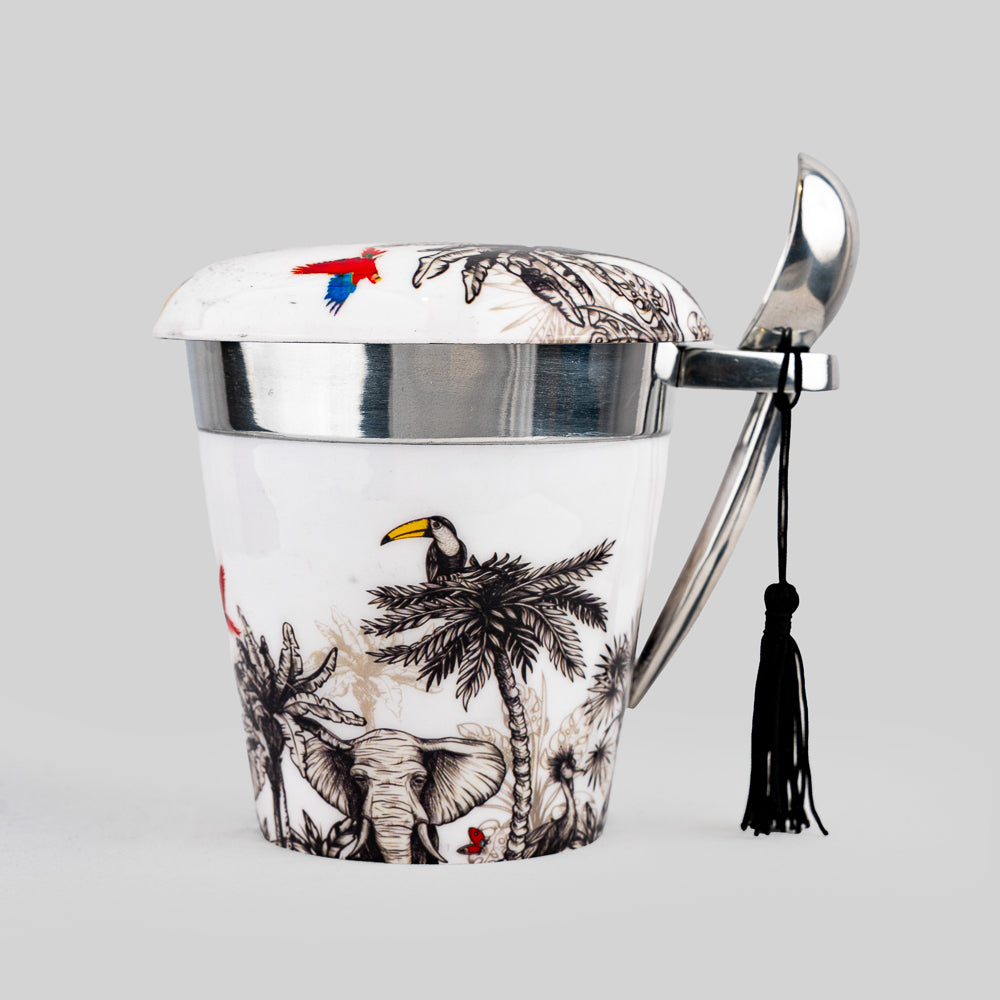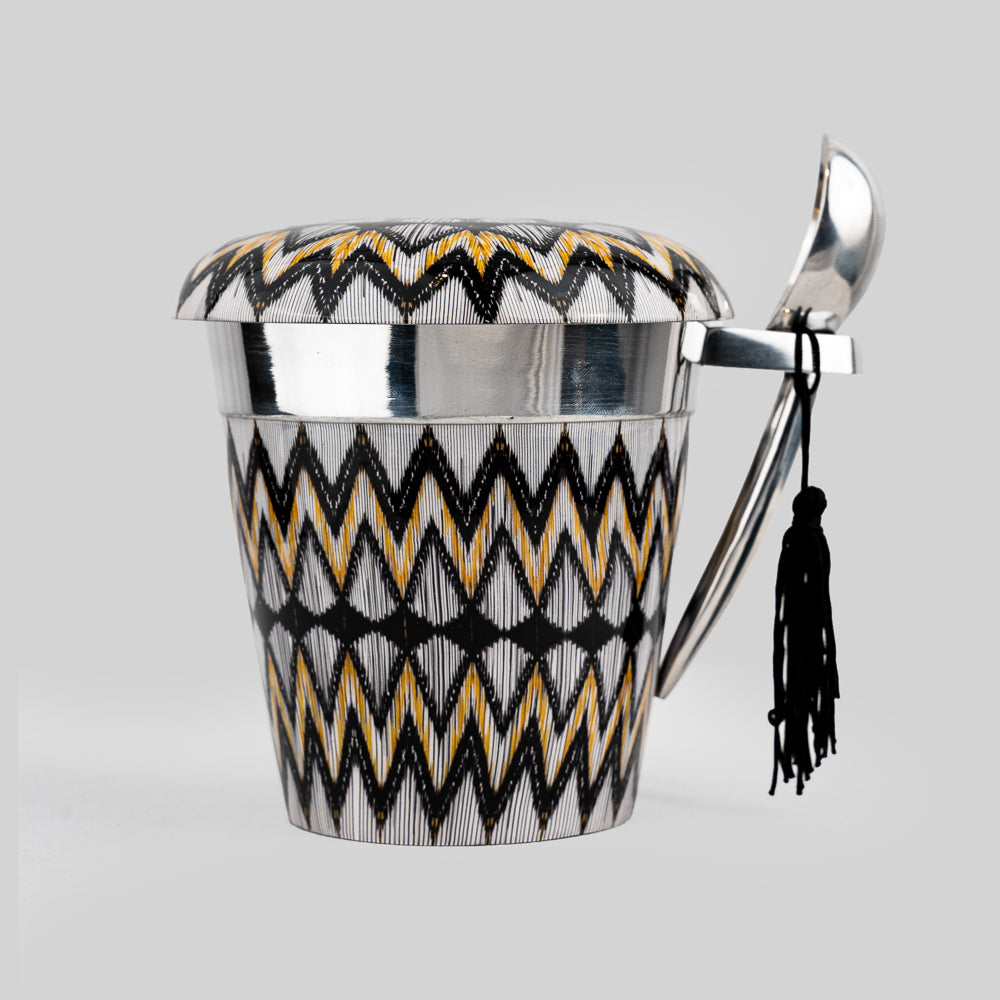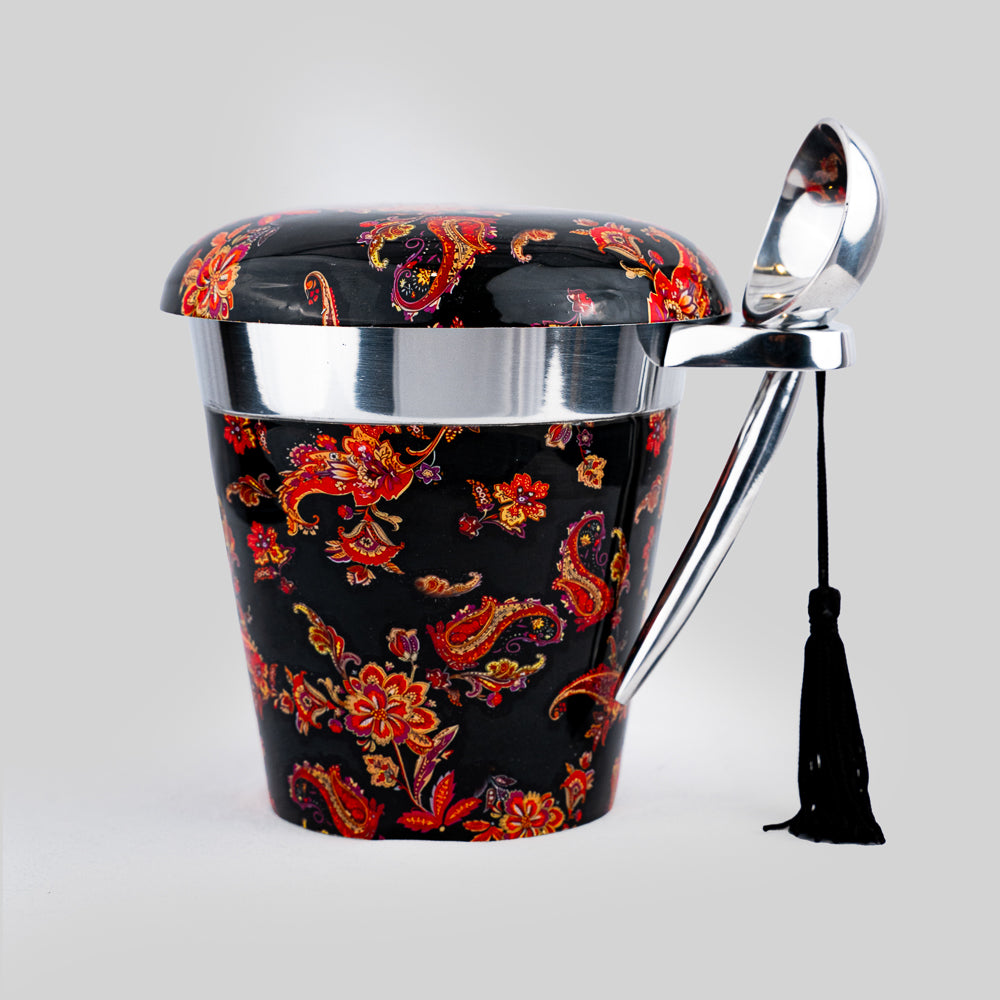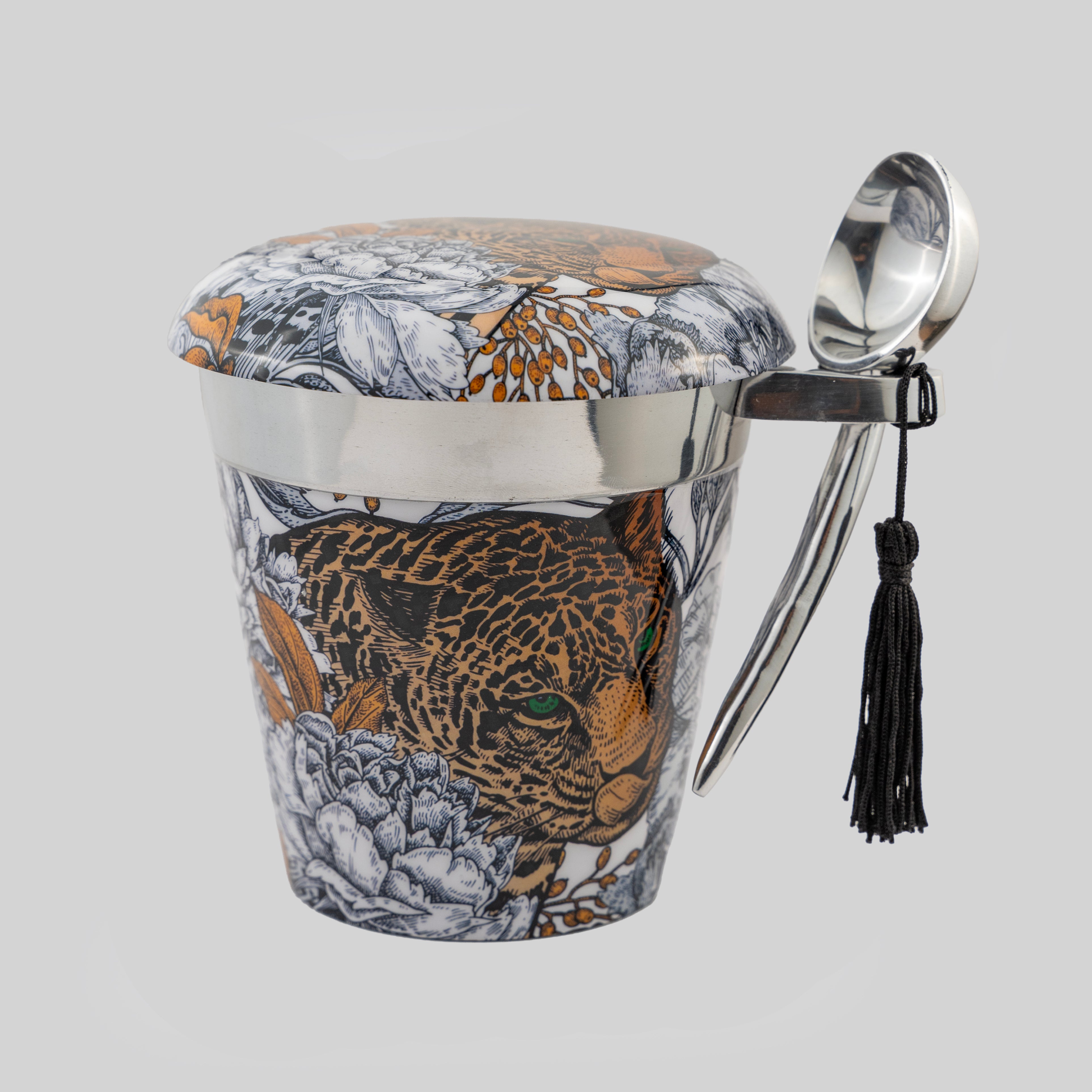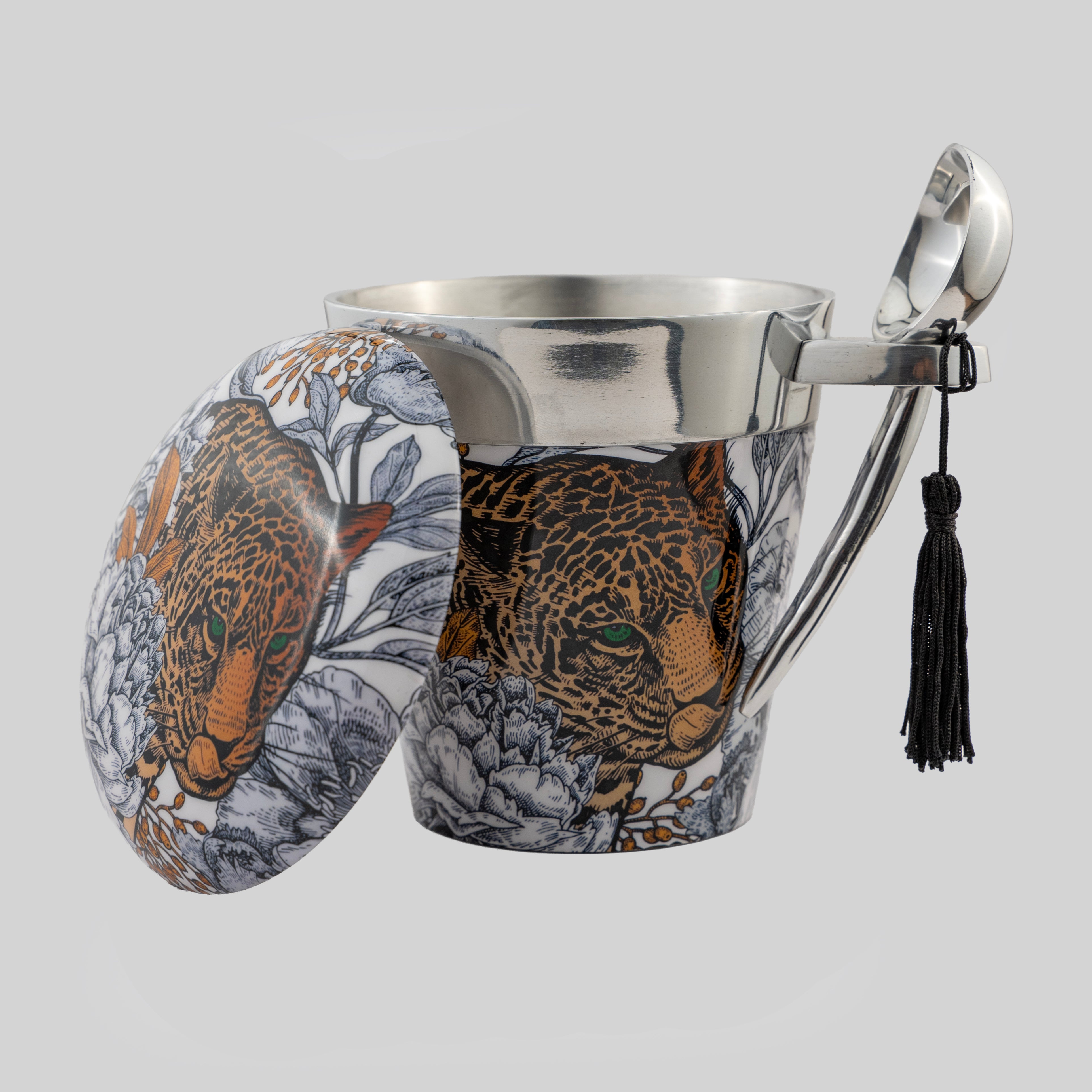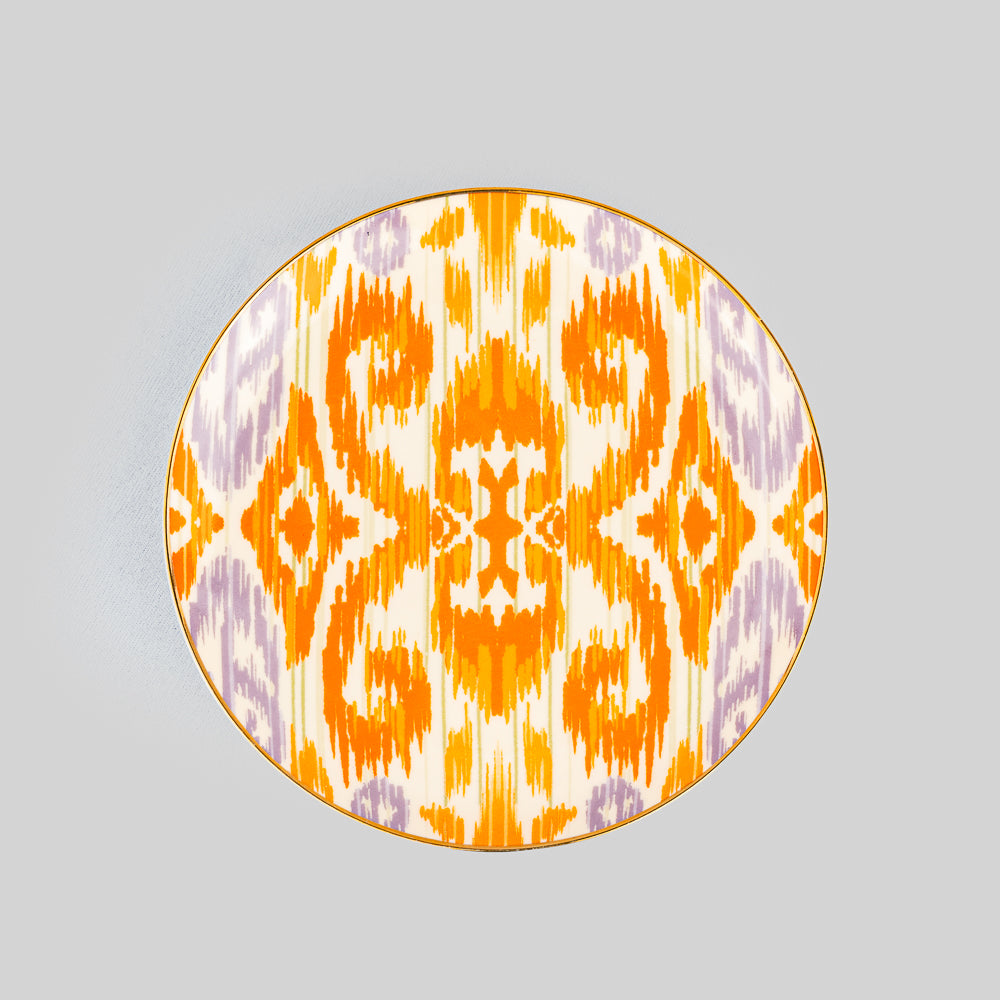


A beautiful room is rarely defined by its largest piece of furniture. More often, it is the glint of a sculptural candleholder on a side table, the considered weight of a tray, or a distinctive photo frame that makes a space linger in memory. Luxury decorative objects bring that final, deeply personal layer to a home - transforming practical surfaces into expressions of taste, travel, ritual, and connection.
The appeal is not simply that an object looks expensive. True luxury lies in the feeling of intention: a material chosen for its character, a print that prompts conversation, a shape that invites a closer look, or a piece that becomes part of how you host. When chosen with care, décor does more than fill a shelf. It gives everyday moments a setting worthy of them.
What Makes a Decorative Object Feel Luxurious?
Luxury is felt before it is explained. It can be found in the warmth of polished metal, the subtle variation in artisanal finishes, the depth of hand-applied color, and the pleasing proportions of an object designed to be seen from every angle. A decorative piece should have presence, but it should also reward attention.
Material is one part of the story. Glass, ceramic, lacquered wood, natural horn, marble, and richly finished metal each carry a different mood. Glass brings lightness and reflection; marble creates permanence; textured ceramics add softness and an unmistakable human touch. There is no single right material. The most compelling choice depends on the room, the occasion, and the atmosphere you want to create.
Craftsmanship matters just as much. A well-made serving tray or pair of coasters feels substantial in the hand. A carefully finished frame sits beautifully on a console rather than disappearing into it. These details are quiet, yet they shape the experience of using an object over and over again.
Most importantly, the object should feel connected to your life. A dramatic platter may be displayed between gatherings, then brought to the table for a celebratory dinner. A small accent bowl can hold matches in the living room, wrapped sweets for guests, or treasured keepsakes in a bedroom. This movement between beauty and purpose is what makes decorative luxury feel lived-in rather than staged.
Start With the Moments You Want to Create
Rather than choosing accessories room by room, begin with the moments you would like your home to hold. Think about a slow Sunday breakfast, an intimate dinner for six, cocktails before a celebration, or the first impression guests receive in your entryway. Each occasion suggests a different kind of decorative object.
For the dining table, consider pieces that bring structure without crowding the setting. A statement centerpiece, elegant napkin rings, and thoughtfully selected coasters can establish a polished mood before the first dish is served. The key is restraint. If the dinnerware is richly patterned, let the supporting accents be quieter. If the tableware is minimal, a patterned tray, colorful glassware, or sculptural serveware can introduce a stronger point of view.
In a living room, decorative pieces work best when they create pauses for the eye. A coffee table benefits from a composed grouping rather than scattered ornaments. Begin with one anchor, such as a tray, then add an object with height and a smaller personal detail. Perhaps that is a candleholder, a frame, or a beautifully bound book. The arrangement should feel collected, not calculated.
An entryway calls for objects that are welcoming and useful. A small bowl for keys, a tray for correspondence, or a frame holding a favorite photograph can make the transition into home feel more intentional. This is a wonderful place to use an accent with a distinctive finish, since it sets the tone for everything beyond it.
Style Luxury Decorative Objects in Layers
The secret to an elevated display is not abundance. It is contrast. Pair a smooth surface with a textured one, something reflective with something matte, or a grounded material like wood with delicate glass. These combinations create visual depth while keeping the arrangement natural.
Scale deserves particular attention. Tiny objects placed on a large console can look lost, while oversized décor on a narrow side table may feel heavy. Work with a range of heights, but leave breathing room around each piece. A tall vase, a medium-sized frame, and a low bowl often create an easy rhythm. If every item sits at the same level, the display can appear flat even when each object is beautiful on its own.
Color should also be edited thoughtfully. You do not need to match every accent to the room. In fact, a luxury interior often feels more personal when an unexpected shade appears in a small, deliberate dose. A jewel-toned coaster set can enliven a neutral sofa. A painted tray can echo a color found in a work of art across the room. The connection can be subtle, but it should feel intentional.
When styling a shelf or console, avoid lining objects up as though they belong in a showroom. Layer a smaller piece slightly in front of a larger one. Let a frame overlap a stack of books. Place a sculptural object off-center rather than directly in the middle. Imperfection, when composed with care, gives a room warmth.
Let Function Be Part of the Beauty
The most successful decorative objects earn their place through use as well as appearance. A tray can corral drinks during a gathering, then become the elegant base for a candle and floral arrangement the next day. A platter can hang on a display stand until it is needed for fruit, desserts, or passed appetizers. This flexibility adds value and prevents the home from feeling overly precious.
Entertaining pieces are especially powerful because they carry memory. The serveware brought out for a family celebration or the tea set used during long conversations becomes associated with the people and rituals around it. Over time, these objects develop a kind of emotional patina that no trend can replace.
That does not mean every piece has to be practical. One purely sculptural accent can bring drama to a room and express a bolder side of your taste. The balance matters. A home filled only with functional pieces can feel utilitarian; one filled only with display objects can feel distant. Allow both to coexist.
Choose Fewer Pieces With More Character
It can be tempting to buy decorative accessories in sets, especially when furnishing a new home. Yet a more refined approach is to build slowly. Choose one exceptional piece that you genuinely love, live with it, and notice what it asks for around it. A striking side table may call for a restrained vase. An ornate frame may look best against a clean-lined lamp. Good styling evolves through these small conversations between objects.
Look for pieces with a point of view. It may be an unusual silhouette, a heritage-inspired detail, an artistic print, or the tactile quality of a hand-finished surface. These are the characteristics that prevent a room from looking copied from a catalog. They also make gift giving more meaningful, because the object feels chosen for a person rather than purchased for a gap on a shelf.
Seasonality can be approached the same way. Instead of replacing everything for each celebration, add a few accents that shift the mood: warmer tones for festive dinners, luminous glass for spring gatherings, or a richly detailed serving piece for the holidays. Your core collection remains recognizable, while the setting feels refreshed.
Create a Home That Invites Conversation
The finest luxury decorative objects do not demand attention all at once. They reveal themselves gradually: when a guest notices the detail on a napkin ring, when sunlight catches the edge of a glass, or when a familiar tray becomes the center of a memorable evening. They make a home feel considered without making it feel formal.
At Tyetye, that balance between artistry and use is central to the joy of tabletop and home styling. A beautifully chosen object can honor a daily ritual as easily as it can elevate a special occasion.
Choose the pieces that make you want to set the table, welcome people in, and pause for a moment in the rooms you have made your own. That is where decorative beauty becomes part of a life well lived.