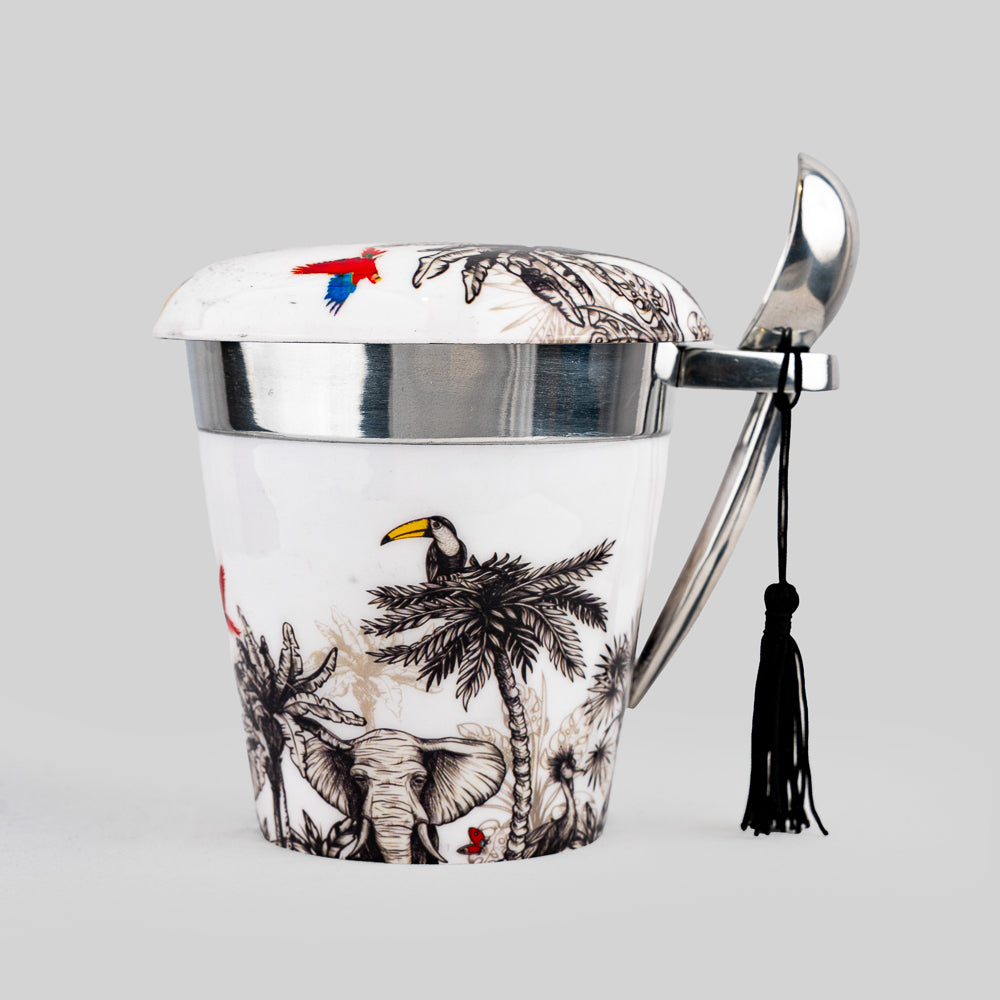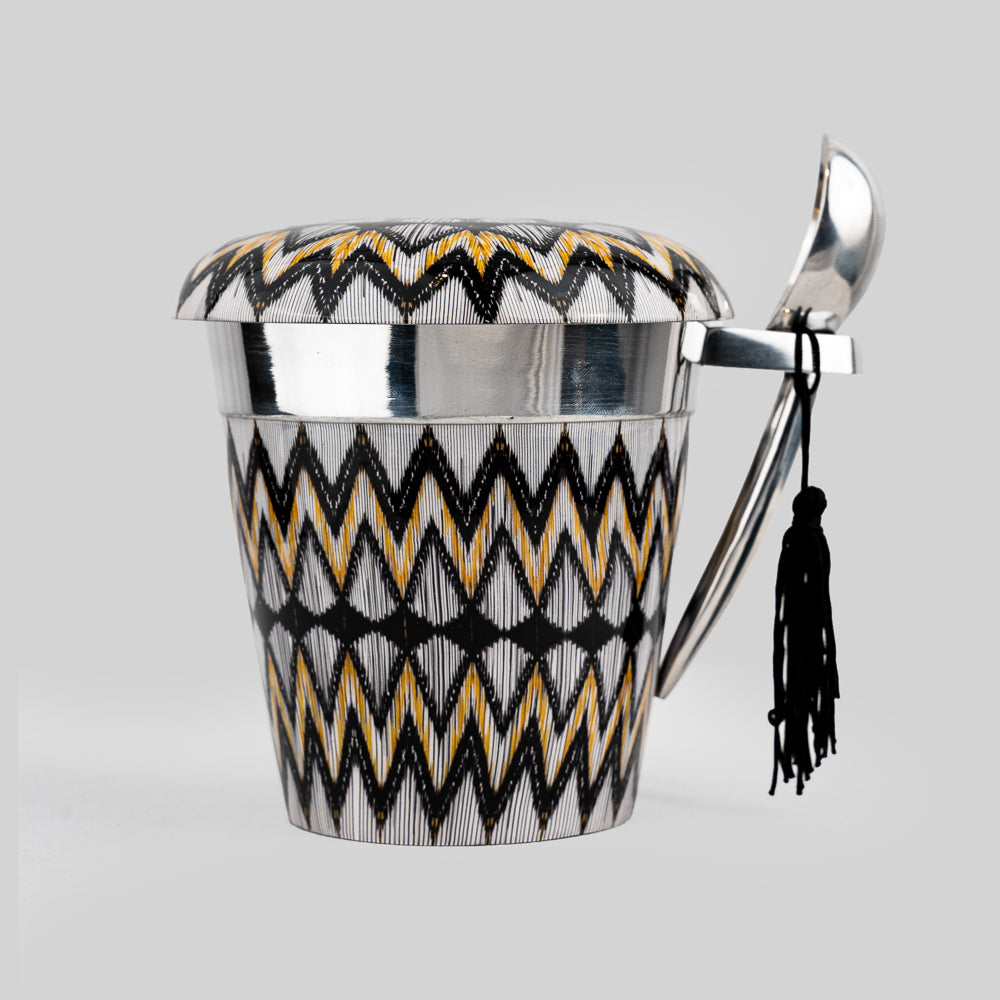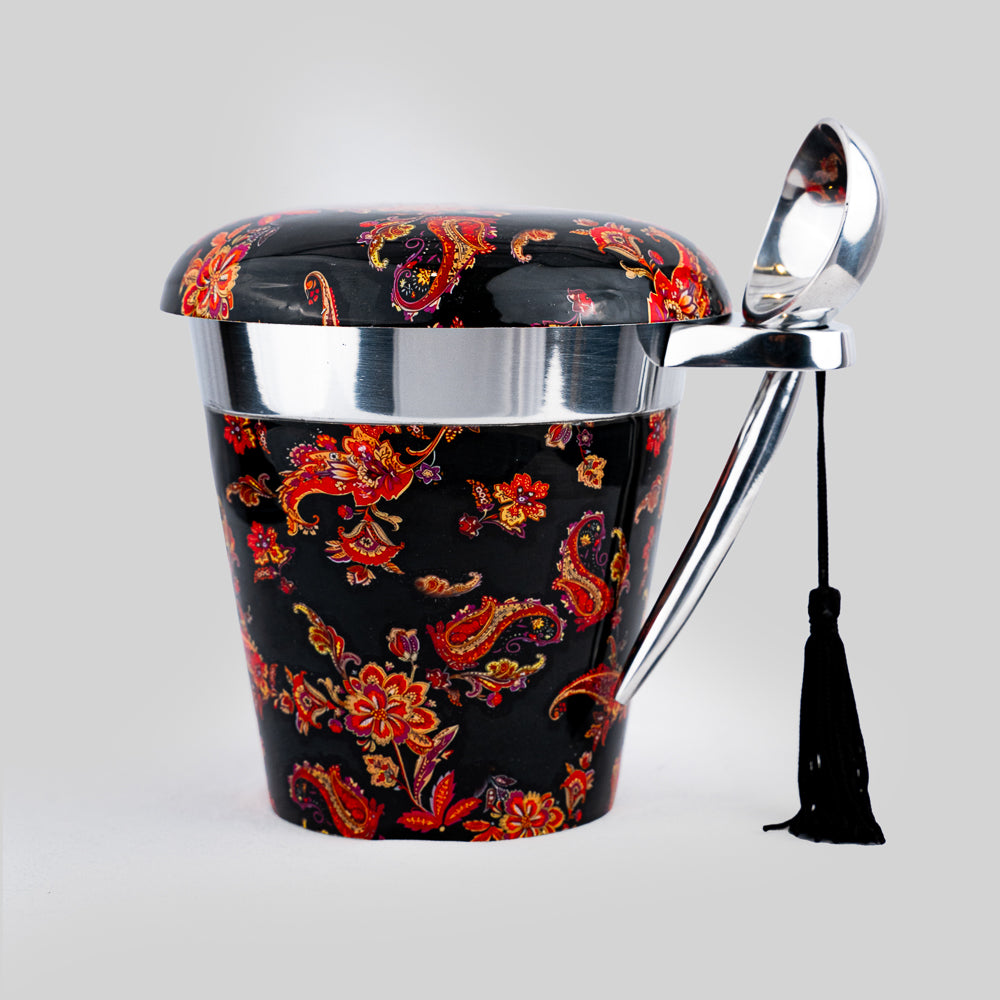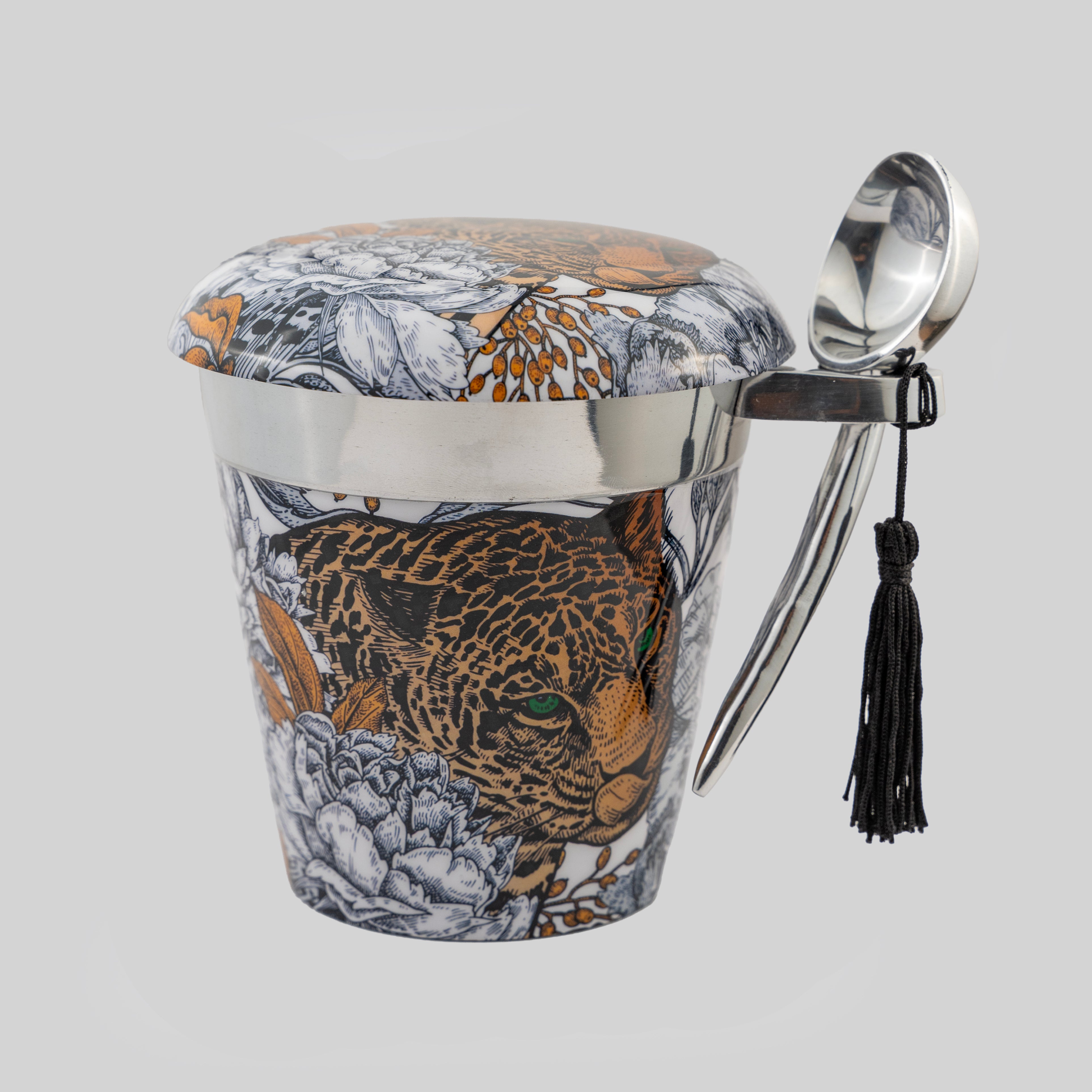


A dining table rarely feels complete with dinnerware alone. The element that often brings the setting together is the one that sits quietly at the center - decorative platters for dining table styling that add shape, texture, and a sense of intention before a single dish is served.
A well-chosen platter does more than hold fruit, bread, or sweets. It anchors the table visually. It can soften a formal setup, give structure to an everyday dining room, or become the piece guests ask about before the meal even begins. In homes where entertaining is part of the rhythm of life, that balance of beauty and purpose matters.
Why decorative platters for dining table styling matter
The dining table is one of the few surfaces in the home that is both functional and expressive. It hosts weeknight meals, celebratory lunches, coffee with friends, and quiet moments in between. Decorative platters help that surface shift gracefully from one role to another.
What makes a platter especially valuable is its versatility. A bowl often asks for a specific use. A tray can feel more structured. A platter sits somewhere in the middle, which is exactly why it works so well. It can be sculptural when left mostly unfilled, generous when layered with food, and elegant when styled with candles, florals, or seasonal accents.
There is also a visual reason they work. Dining tables are wide, flat planes. Without a grounding object, they can appear scattered or underdressed. A decorative platter creates a focal point and brings proportion to the arrangement around it.
Choosing the right platter for your table
Not every beautiful platter belongs on every table. Scale is the first thing to consider. On a compact round table, an oversized rectangular platter can feel awkward and crowd the place settings. On a long dining table, a small circular platter may disappear unless it is part of a layered grouping.
Shape changes the mood. Round platters feel softer and more conversational, which suits intimate dining spaces and everyday styling. Oval platters tend to feel classic and balanced, especially on rectangular tables. Rectangular and elongated forms create a more tailored look and work especially well when the table styling leans modern or architectural.
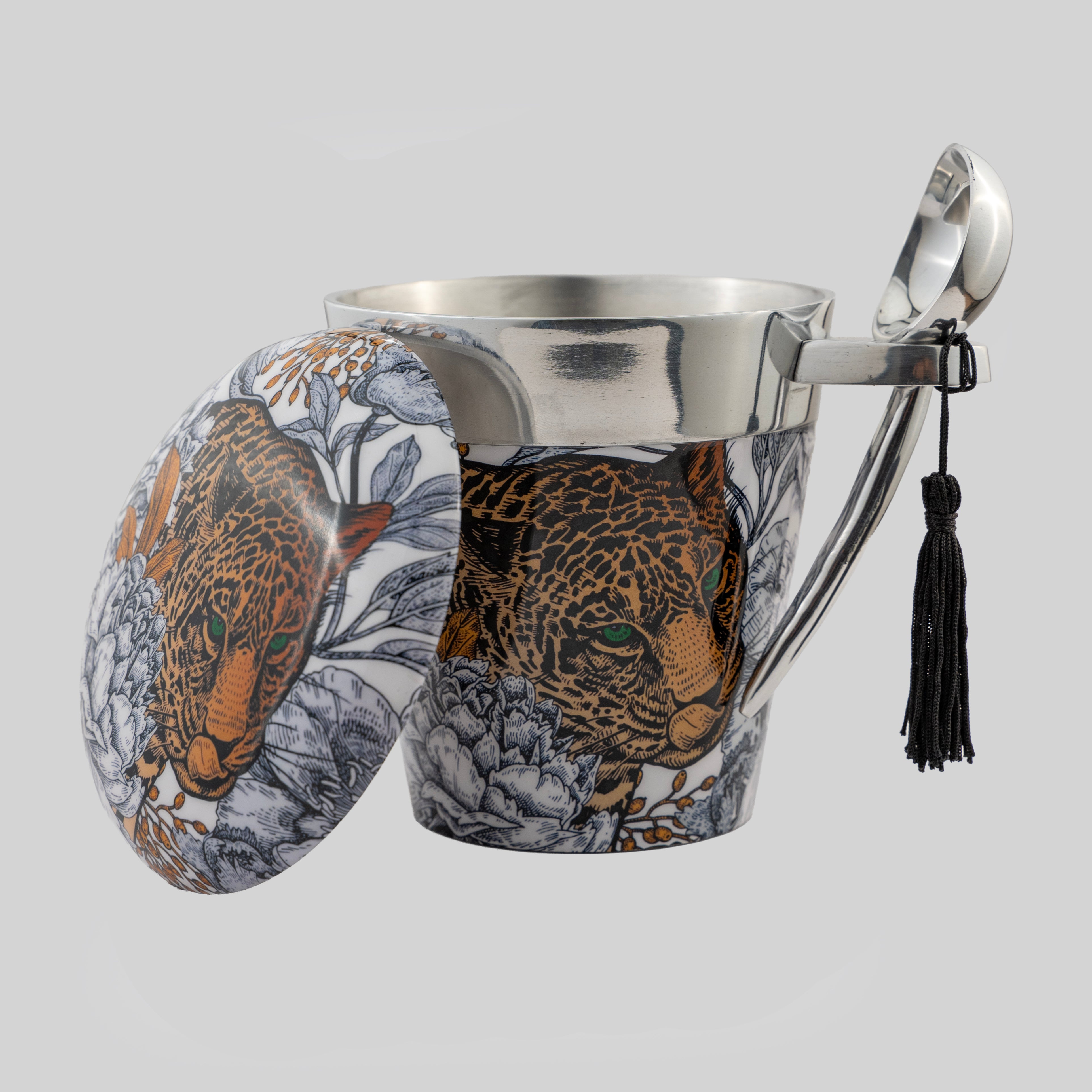
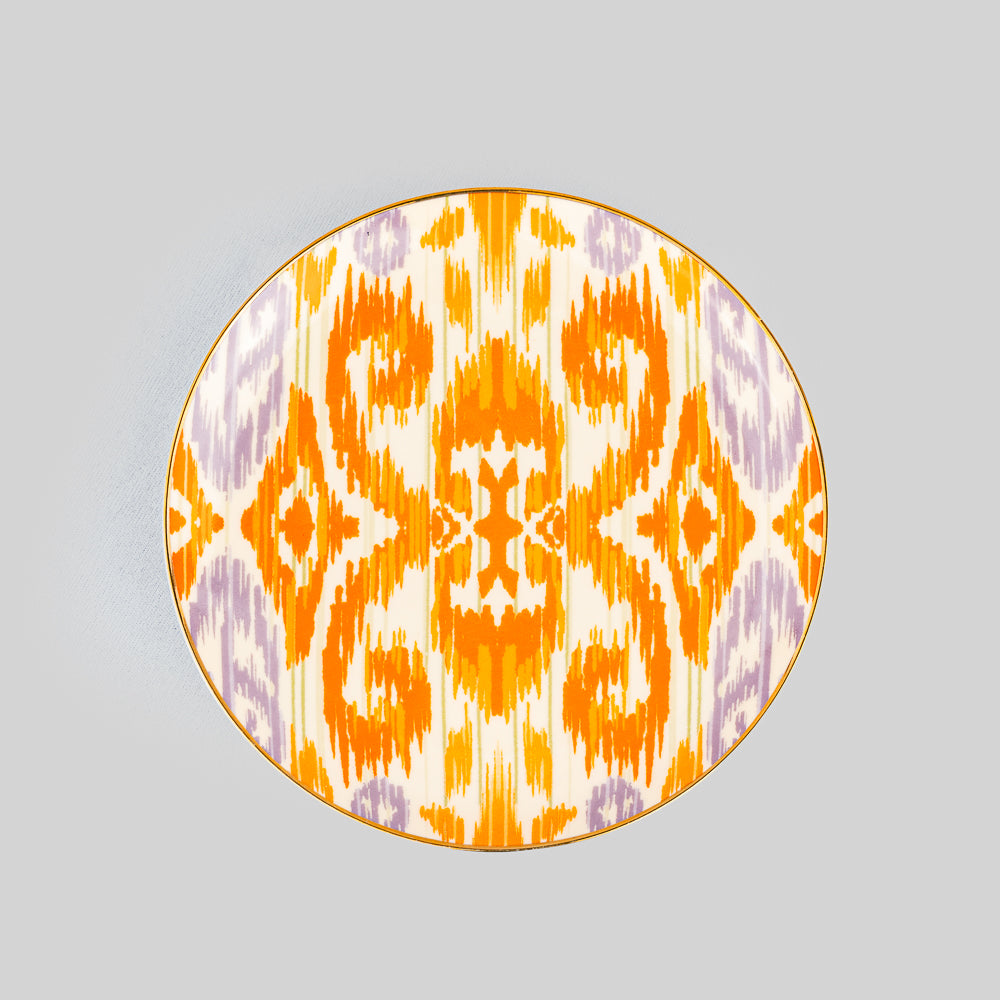
Material is where personality enters. Glass platters catch light beautifully and bring a sense of delicacy. Metal finishes can feel glamorous and festive, though they often pair best with restrained table linens so the table does not feel overly busy. Wood brings warmth and ease, making it ideal for homes that want refinement without stiffness. Printed or artistically detailed platters offer the strongest decorative impact and can guide the rest of the table's palette.
The trade-off is practical. The more detailed or statement-making the platter, the more thoughtfully it should be paired with dinnerware, napkins, and centerpieces. If everything is competing for attention, the table loses clarity.
Decorative versus functional is the wrong question
Many shoppers think they need to choose between a platter that is attractive and one that is useful. In reality, the most successful pieces do both. A platter that only looks good but never leaves the cabinet misses part of its charm. A purely functional piece with no visual presence rarely elevates the table.
The sweet spot is a platter that can move through the day with ease. In the afternoon, it might hold fresh citrus or a small vase arrangement. At dinner, it can carry appetizers or desserts. During a gathering, it becomes a serving piece that still reads as decor. That fluidity is what gives tabletop accessories lasting value.
For design-conscious homes, this matters even more. The best dining accents are not decorative interruptions. They are part of the atmosphere.
How to style a platter without overfilling the table
A decorative platter should give the table a composed look, not a cluttered one. The easiest mistake is adding too many objects to it in an effort to make it feel complete. A platter does not need to be busy to feel luxurious.
If the table is used daily, keep the arrangement low and breathable. A stack of linen napkins, a small candle, and a seasonal accent can be enough. If the goal is a more expressive dining moment, layer the platter with a floral element, a sculptural object, or wrapped sweets for a softer hospitality-driven look.
Negative space matters. Leaving part of the platter visible allows the material, finish, or print to speak. This is especially true with statement serveware. When the surface itself is beautiful, covering it entirely defeats the purpose.
For longer tables, one platter can work if it has presence. Otherwise, two or three coordinated platters placed with intention often feel more balanced than one undersized centerpiece. The key is rhythm, not symmetry for its own sake.
A few styling directions that always feel polished
For everyday elegance, style a platter with fruit in one tonal family, such as green pears or deep red apples, and pair it with simple candles. For festive hosting, use the platter as the base for bite-sized appetizers, with garnish placed thoughtfully so the food itself becomes part of the visual story. For a quieter decorative setup, combine one low vase with a small object in a contrasting finish so the arrangement feels considered rather than crowded.
Matching platters to your dining aesthetic
The platter should feel like it belongs in the room, not like a last-minute addition. In a contemporary dining area, clean silhouettes and defined edges tend to sit best. In a more layered or eclectic home, decorative platters with artistic motifs, rich finishes, or unusual handles can create a stronger point of view.
If your dining table is dark wood, platters in lighter tones or reflective materials provide contrast and keep the setting from looking heavy. On marble or glass tables, warmer materials help create balance. If your room already has strong prints through upholstery, wallpaper, or rugs, a simpler platter may make the room feel more edited. If the room is quieter, a more expressive platter can carry the visual interest beautifully.
This is where a brand like Tyetye India resonates with a style-led home. A decorative platter becomes more than serveware when it brings artistry to the table and still feels at home during real gatherings.
When to use one statement platter
Sometimes a single platter is enough. In fact, one standout piece often has more impact than several smaller accents. This works especially well for formal dining rooms, smaller tables, or occasions when the meal itself is already visually abundant.
A statement platter should have one clear strength. It may be an unusual print, a striking shape, a rich material, or handcrafted detailing. Let that feature lead. Surround it with supporting elements that are quieter in color and scale.
This approach is also useful for hosts who want a table that feels elevated without requiring a full tablescape every time. One distinctive platter can shift the mood of the entire room in minutes.
Seasonal styling without buying new pieces constantly
A well-made platter can move through the year with small styling changes. In spring, it may hold flowers or pastel-toned sweets. In summer, citrus and linen create freshness. In fall, deeper colors, textured napkins, and warm candlelight make the same platter feel richer. During the holidays, ornaments, greenery, or celebratory desserts instantly change the tone.
This is one of the smartest ways to build a dining collection. Rather than replacing accessories every season, invest in pieces with enduring design and refresh the details around them. That feels more curated and often more luxurious than constantly chasing novelty.
What to look for before you buy
Beauty matters, but so does how the platter lives in your home. Consider the weight, especially if you plan to carry it from kitchen to table while entertaining. Think about storage if you own multiple pieces. Pay attention to the rim or edge, since that affects both presentation and serving ease.
Also ask how the platter works with what you already own. A striking piece that clashes with all your dinnerware may still be worth it if you plan to use it as a decorative centerpiece. But if you want it to do double duty, compatibility matters.
The most satisfying tabletop purchases tend to be the ones that feel special the moment you unwrap them and useful the first time guests arrive.
Decorative platters bring a dining table to life because they ask for very little while giving the room so much back. A little shape, a little shine, a little story - sometimes that is all a table needs to feel beautifully finished.