

A beautifully set table changes the pace of a gathering before the first dish is served. It signals care, creates anticipation, and gives even a simple lunch the feeling of an occasion. This dining table styling guide is designed to help you build that sense of occasion with intention, whether you are hosting six friends for dinner or setting a quiet table for two.
The most memorable tables do not rely on excess. They pair useful pieces with expressive details, allowing color, texture, and craftsmanship to create a story guests can see and feel. A painted platter, sculptural napkin ring, or well-chosen glass can become the detail that makes the whole setting feel distinctly yours.
Begin With the Mood, Not the Menu
Before choosing a placemat or reaching for the centerpiece, decide how you want the table to feel. A relaxed weekend brunch may call for warm neutrals, tinted glassware, and a loose arrangement of seasonal stems. An evening celebration might lean into deeper tones, polished metallic accents, and candlelight that catches the edge of every glass.
Think of the dining table as a room within the room. Its palette should speak to the surrounding space without disappearing into it. If your dining area is calm and tonal, a table with richly patterned linens or decorative serveware can add character. If the room already has vivid art or dramatic upholstery, choose a quieter foundation and let one or two special pieces take focus.
A useful starting point is to choose a single visual thread: a color, a material, a print, or a mood. Perhaps it is forest green, warm brass, hand-painted florals, or the contrast of clear glass against dark wood. That thread gives every selection a reason to belong.
A Dining Table Styling Guide to Layering Well
Layering is what turns a table setting into a tablescape, but each layer should have a purpose. The goal is not to cover every inch of the table. It is to create rhythm, comfort, and visual interest while leaving room for the meal itself.
Set the Foundation
Start with the surface beneath everything else. A tablecloth creates softness and can instantly shift the mood toward formal or romantic. Placemats offer more structure and are especially effective when you want the beauty of the table to remain visible. A runner is ideal for long tables, where it can anchor serving pieces and a low centerpiece without crowding individual place settings.
Consider contrast carefully. On a dark wood table, ivory, sand, or pale linen can feel luminous. On a light stone or glass surface, woven textures, jewel-toned mats, or graphic prints introduce definition. Matching every element can look flat, while too many competing patterns can feel restless. Let one textile carry the strongest pattern and keep the surrounding layers more restrained.
Build Each Place Setting
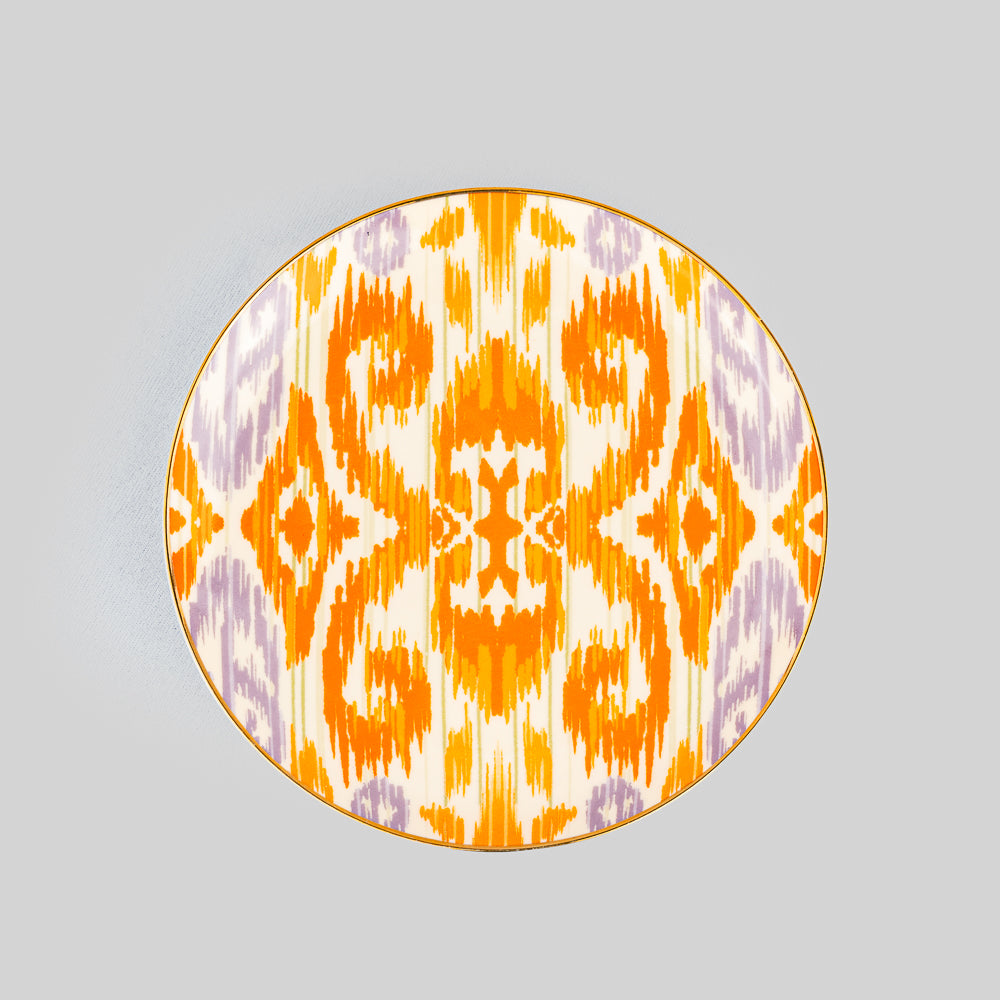
Dinnerware is the visual heart of each setting. Begin with a charger or placemat, then layer a dinner plate and smaller plate or bowl according to the meal. A single beautifully designed plate can hold attention on its own, while a layered stack adds ceremony to a longer, more formal meal.
Keep the materials in conversation. Smooth porcelain feels especially refined beside a textured linen napkin. A hand-finished plate can be balanced with simple clear glassware. If your dinnerware has an artistic print, choose solid-color napkins and understated flatware so the design has room to breathe.
Fold napkins with ease rather than overworking them. A soft fold placed on the plate feels welcoming; a napkin ring lends polish and creates a small, jewelry-like moment at every seat. This is where a tactile detail such as horn-inspired finishes, polished metal, or natural fibers can make the setting feel considered without becoming precious.
Choose a Centerpiece Guests Can Talk Around
A centerpiece should create atmosphere, not a barrier. The best rule is simple: keep it low enough for conversation or high enough to sit above eye level. For most home gatherings, low arrangements are more practical and more inviting.
A few branches in a sculptural vase, small bud vases spaced along a runner, or a cluster of candles in varied heights can be enough. Fresh flowers bring softness, but they are not the only answer. Fruit arranged in a shallow bowl, artful objects on a serving tray, or a collection of tea lights can feel equally thoughtful.
Avoid strongly scented flowers near food. Their fragrance may compete with the meal, particularly at intimate tables. If you are serving multiple shared dishes, leave the center more open and bring in the decorative moment through a statement platter or elegant serving bowl instead.
Let Serveware Do More Than Serve
The pieces that carry food often have the greatest visual impact because they move through the gathering. A platter placed in the center invites sharing. A decorative tray organizes drinks, condiments, or after-dinner coffee while adding a composed focal point. Glass bowls catch candlelight; distinctive handles and artisan details give guests something to notice as they pass a dish.
Choose serveware according to the style of food and the rhythm of the occasion. For a family-style dinner, use generously sized platters and bowls that are beautiful enough to remain on the table. For cocktails and small bites, create a composed station with a tray, layered coasters, elegant glasses, and a few small serving pieces.
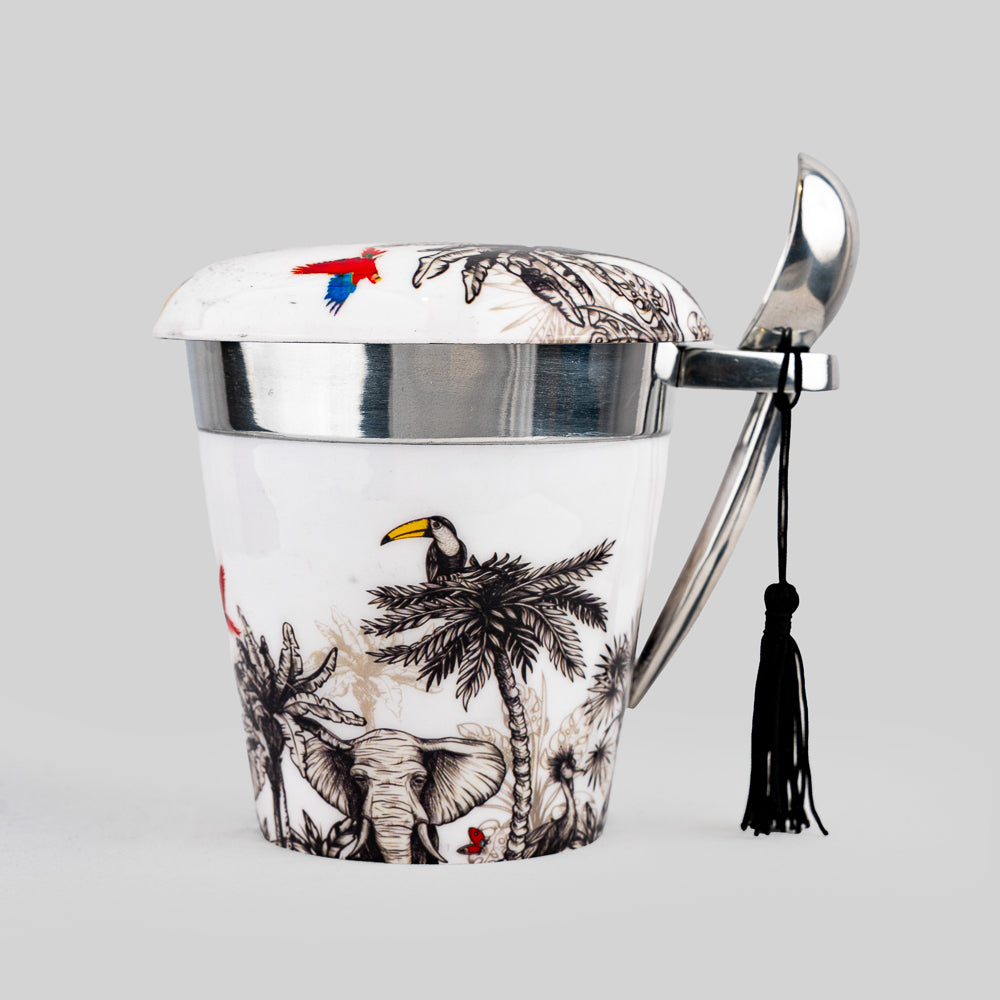
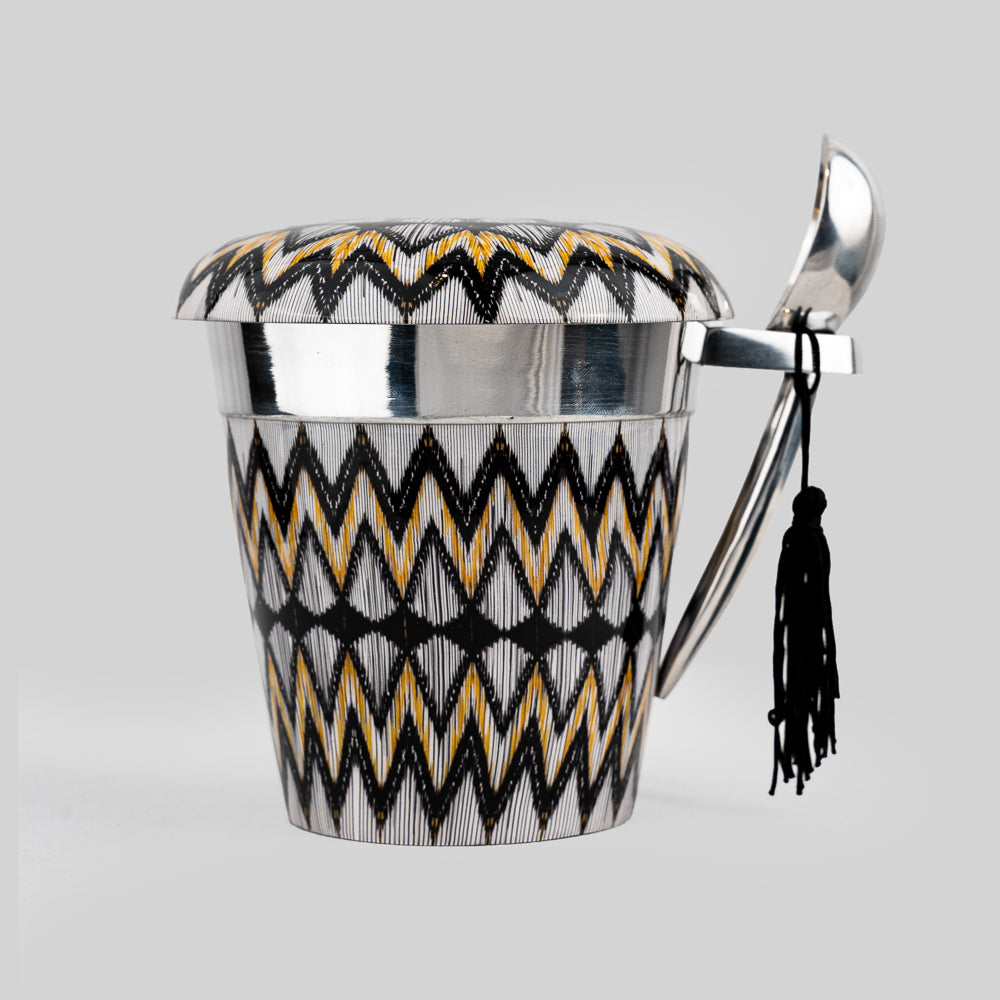
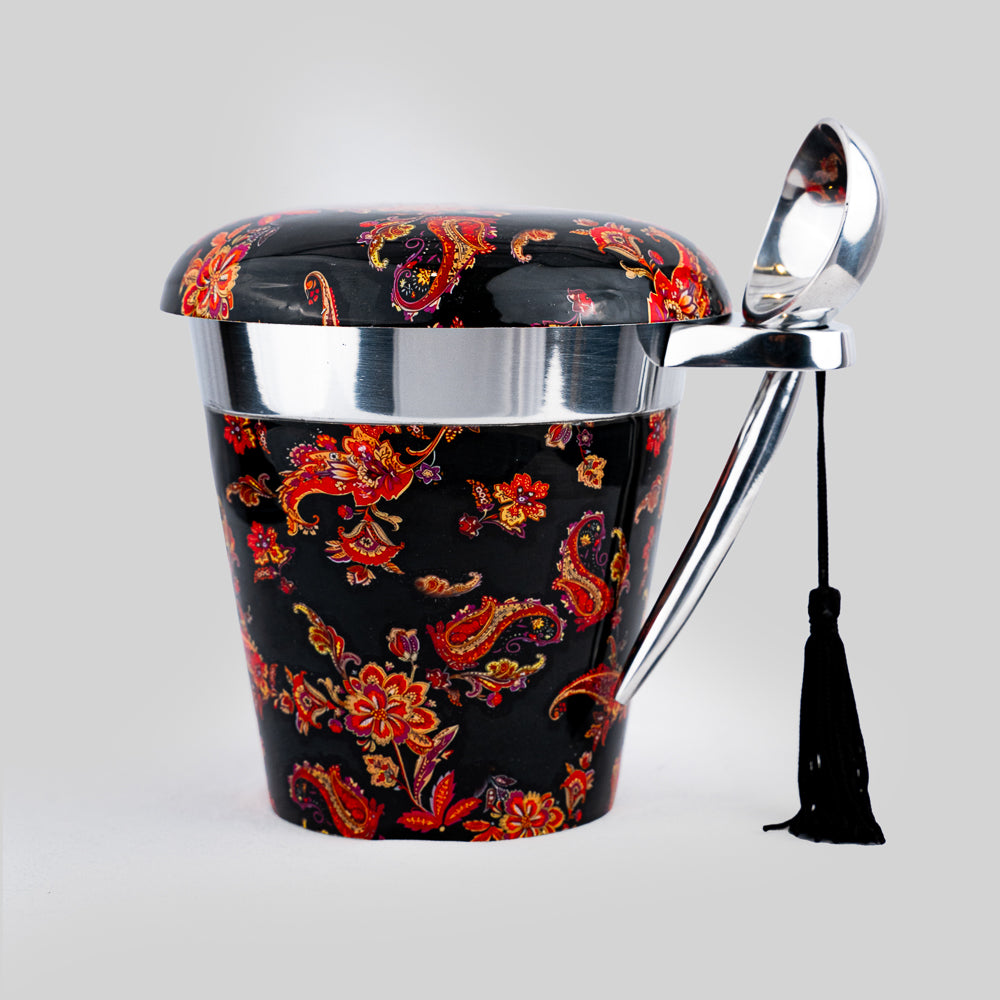
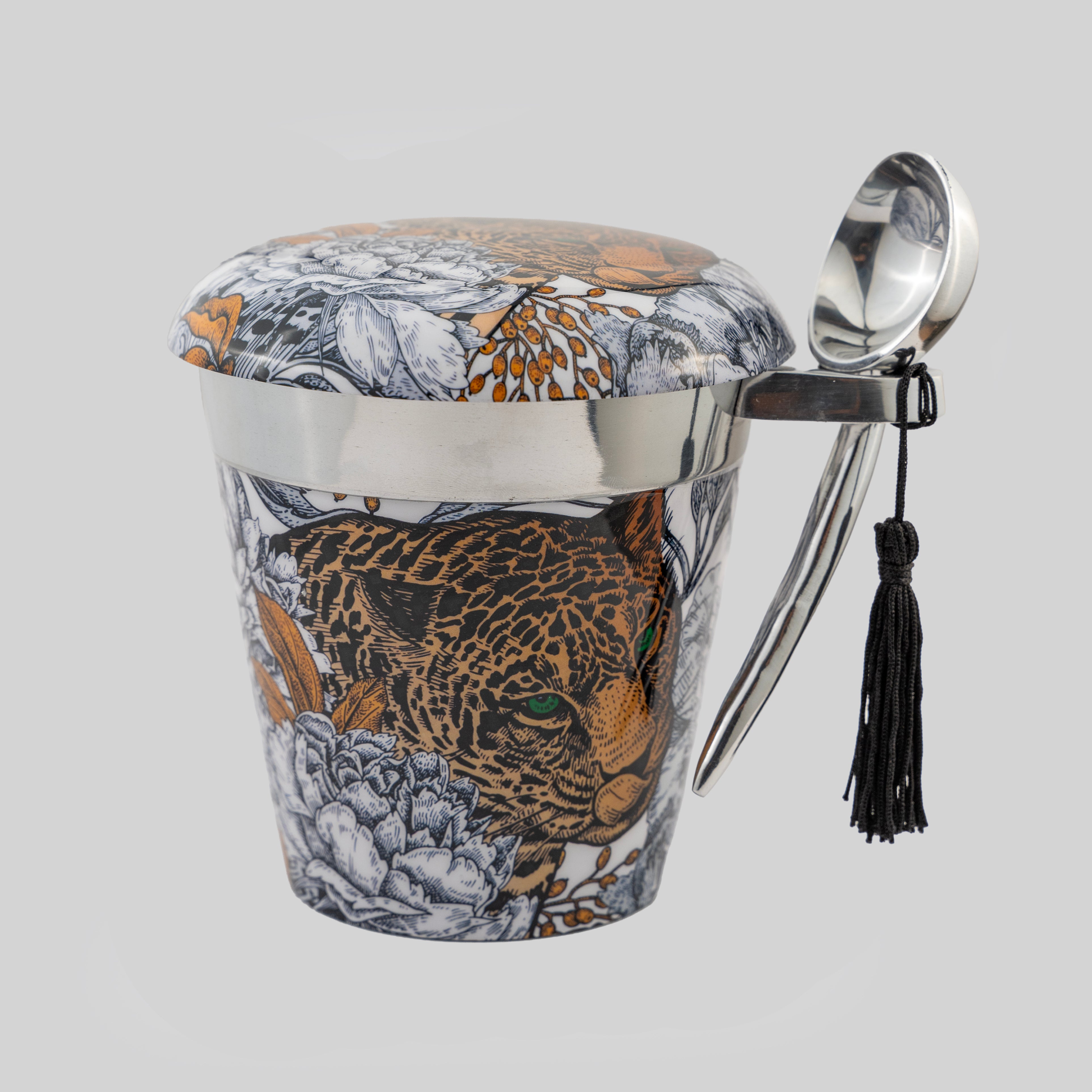
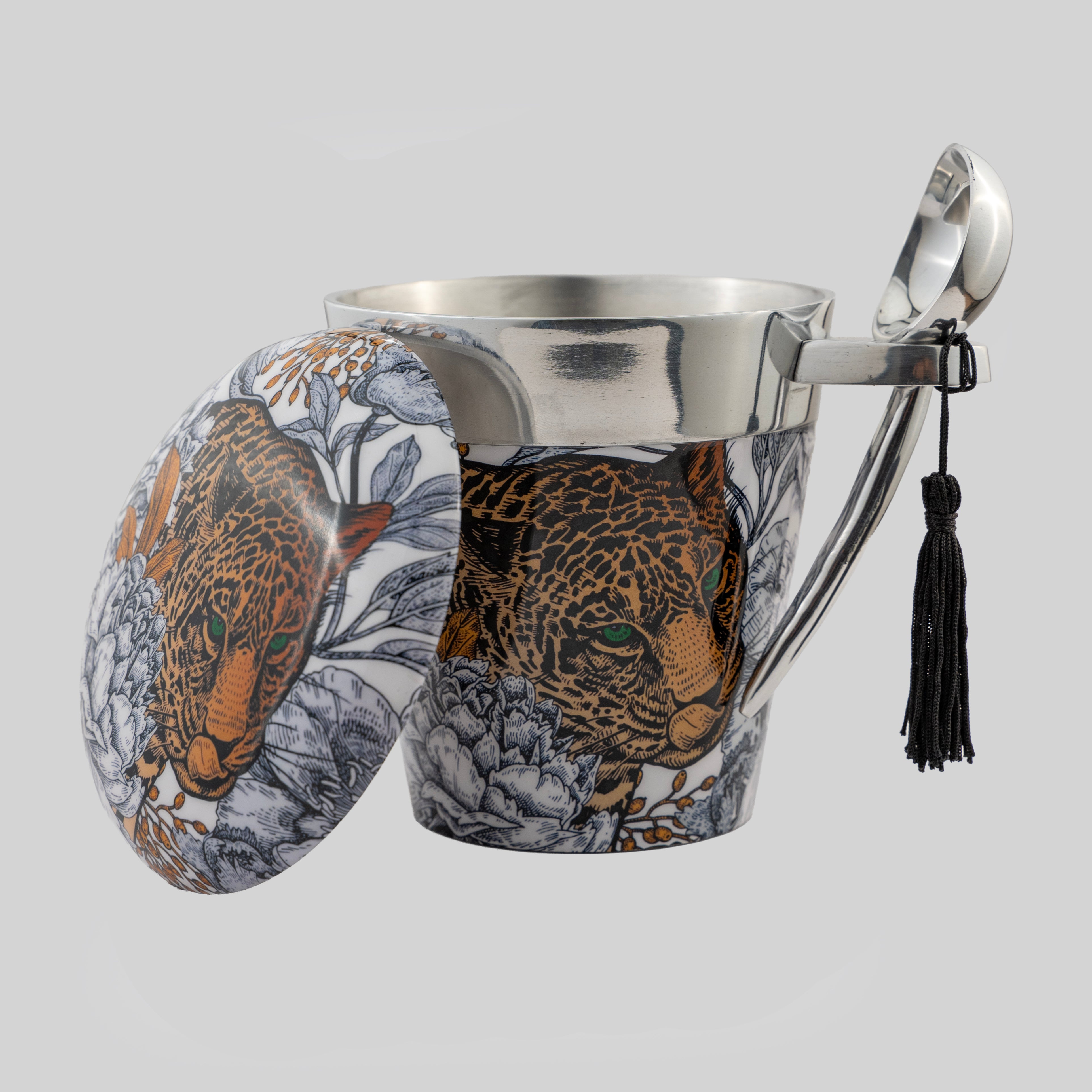
This is also where mixing materials becomes especially effective. Pair glossy glassware with a warm wood or horn-handled accent. Place a sculptural bowl beside simple plates. At Tyetye, the appeal of tabletop pieces lies in this balance: objects that are practical in the hand, yet expressive enough to hold their own in the room.
Create a Sense of Occasion With Light and Height
Candlelight has an almost immediate effect on a dining table. It softens hard edges, adds movement, and makes glassware and metallic finishes feel more luminous. Use unscented candles for meals, and keep flames safely away from loose linens, dried flowers, and passing sleeves.
Varying height makes a table feel composed, but it needs restraint. If you have tall taper candles, keep flowers low. If you have a taller floral arrangement, use low votives instead. Repeating one height across the entire table can feel static, while too many different levels can make the table look busy.
For daytime entertaining, let natural light guide the palette. Translucent glasses, pale ceramics, and reflective cutlery feel fresh in sunlight. At night, deeper colors, candleholders, and richly textured linens create a more intimate mood.
Style for the Table You Actually Have
A styling idea should always respect the proportions of the table. Round tables naturally encourage intimacy, so a single central arrangement and evenly spaced place settings usually work best. Long rectangular tables can support a runner, repeated candle clusters, and several small centerpieces that guide the eye from end to end.
Small tables benefit from editing. Choose a beautiful placemat, one plate, one glass, a folded napkin, and a petite floral detail. You do not need chargers, multiple vessels, and a large centerpiece to make the setting feel elevated. In fact, space around each piece can be the most luxurious element of all.
For larger tables, avoid the temptation to fill every open area. Build a visual path through the center, then leave room for shared dishes and comfortable serving. If the meal is the main event, allow the table to adapt as food arrives. Beauty should support hospitality, never make it harder.
Keep the Table Personal
The most elegant tables have a point of view. Perhaps you always use patterned napkins for Sunday lunch, bring out inherited glasses for celebrations, or place a small handwritten menu at each setting. These gestures make a table feel lived in rather than staged.
You do not need a new theme for every gathering. Build a collection of versatile foundations - beautiful dinnerware, glasses you enjoy using, linens with texture, and a few distinctive serving pieces - then change the mood through flowers, color, and candlelight. Over time, your table becomes a reflection of the way you welcome people into your home.
Set one beautiful detail tonight, even if the meal is ordinary. A thoughtful table has a quiet way of reminding everyone seated around it that this moment is worth savoring.