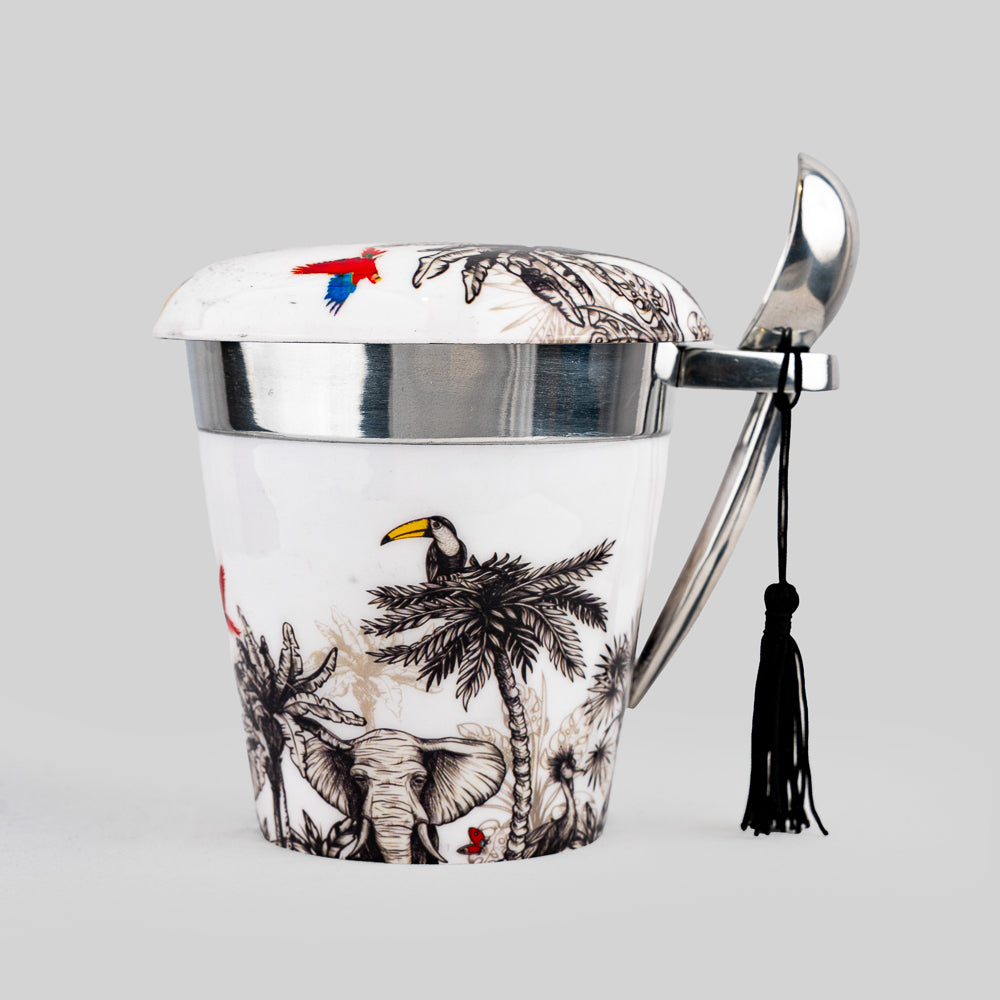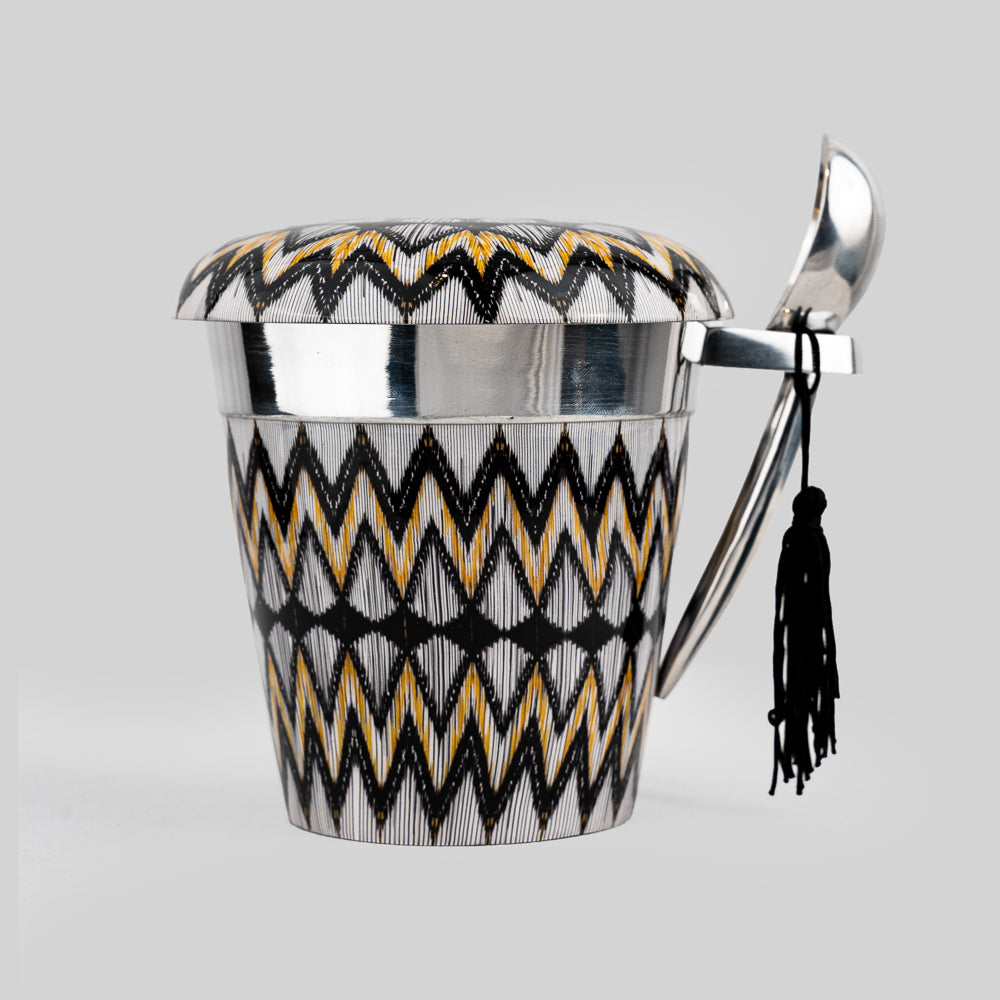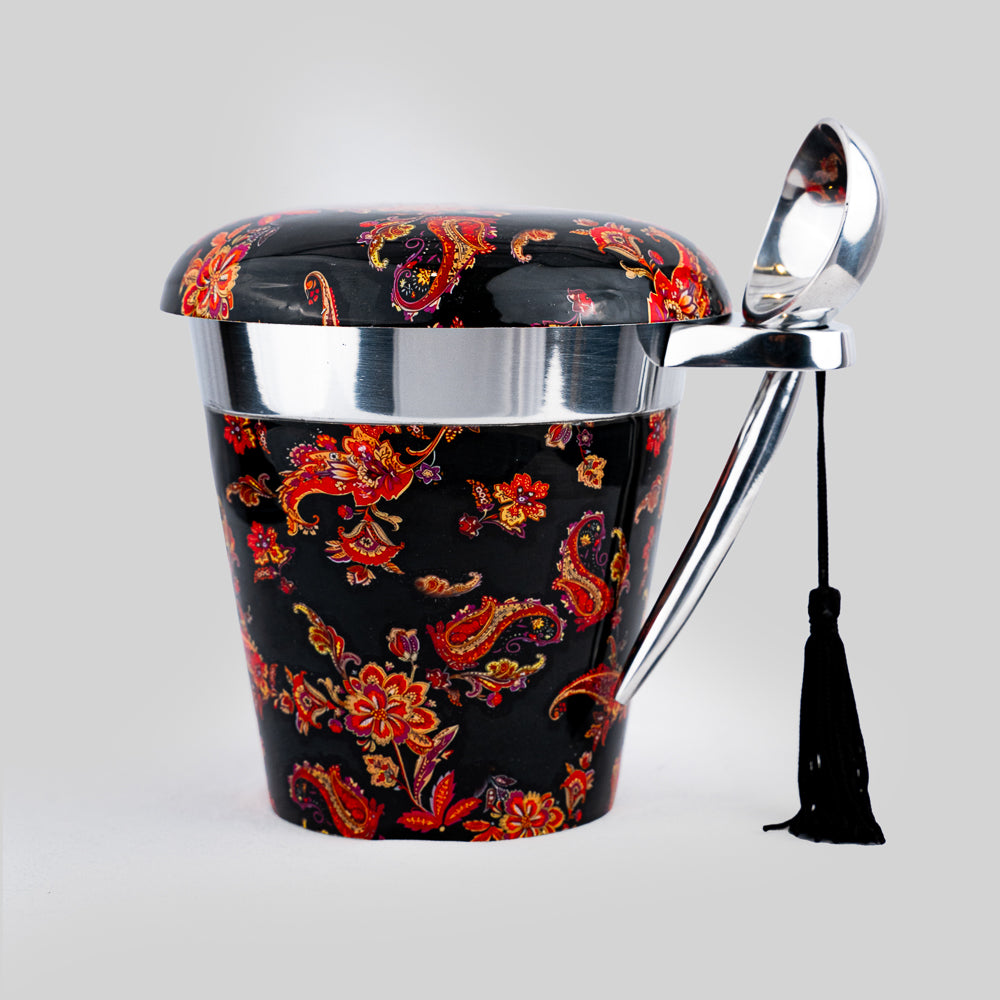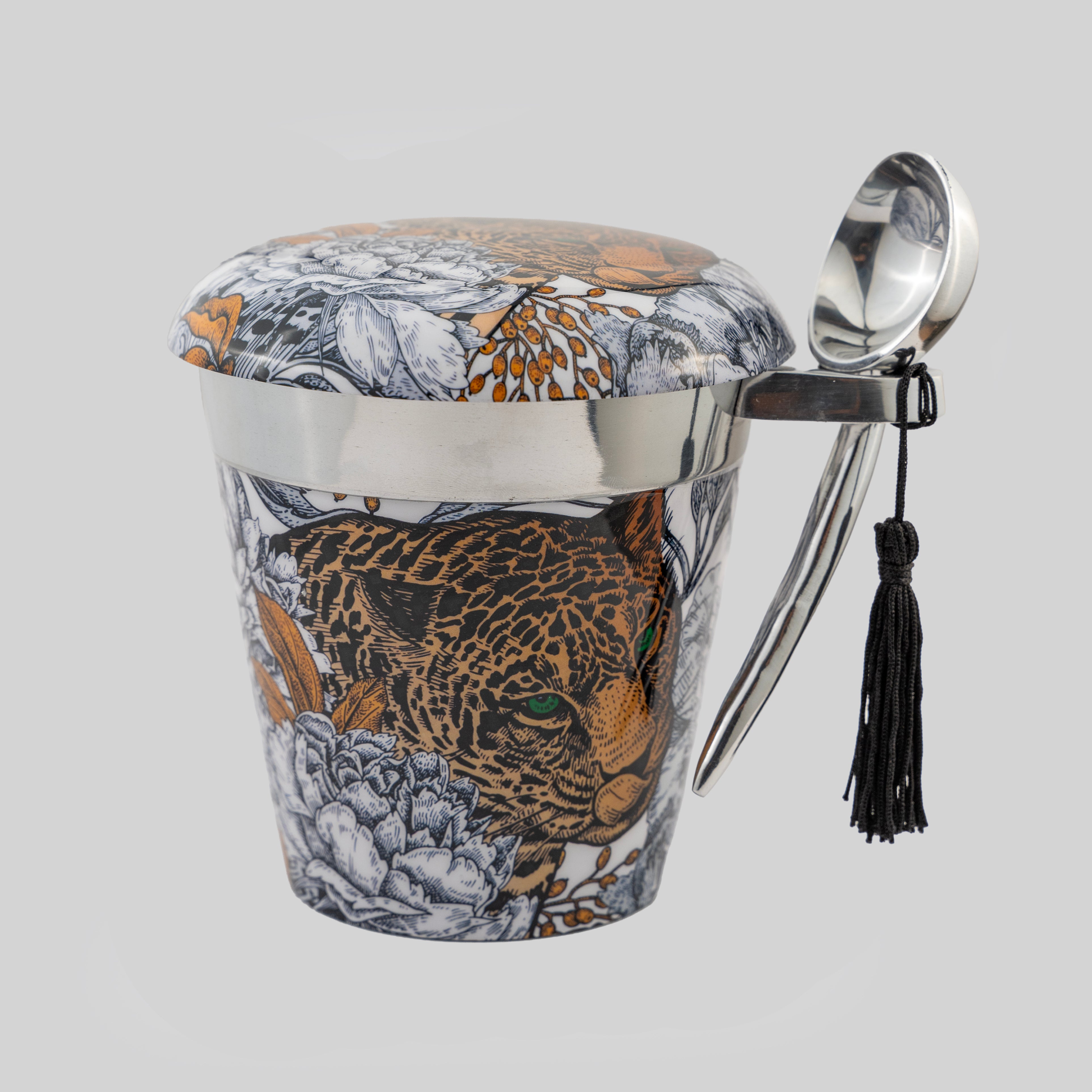


A premium tea set review should begin at the table, not on a product page. Picture a late-afternoon gathering: the light is soft, a cake stand waits at the center, and tea is being poured into cups that feel balanced in the hand. The right set does more than serve a beverage. It gives the ritual shape, creates a sense of occasion, and quietly reflects the care behind the invitation.
For design-conscious hosts, a premium tea set is rarely a purely practical purchase. It is part serveware, part decorative object, and part future memory. The best choice depends on how you entertain, the atmosphere you want to create, and whether you prefer timeless restraint or a more expressive tabletop.
A Premium Tea Set Review Begins With the Ritual
Before considering patterns or price, consider the kind of tea moments you want to have. A compact two-cup set suits a slow weekend breakfast, a quiet conversation, or an elegant gift. A larger service with a generous pot, multiple cups, saucers, milk jug, and sugar bowl is made for lingering conversations around a dining table or a polished living-room gathering.
This distinction matters because a beautiful set that does not fit your habits can end up displayed rather than enjoyed. If you usually host four to six people, look beyond the visual appeal of a two-person service. If you live in a smaller home and favor intimate hospitality, an oversized formal set may feel cumbersome. Premium should feel considered, not excessive.
The strongest sets make even a simple pour feel intentional. Their proportions are harmonious, their pieces work together without looking overly matched, and their details reward a closer look. A painted border, a sculptural handle, a subtle metallic accent, or an artful print can give the table its point of view without competing with everything around it.
Material Sets the Tone and the Maintenance
Material shapes the experience as much as the appearance. Fine porcelain is often favored for its refined surface, crisp silhouette, and ability to make colors and patterns appear especially vivid. It can move easily from a casual brunch to a dressed-up celebration, depending on the design. Bone china is valued for its delicate translucency and surprisingly light feel, making it especially appealing for formal settings and gift-worthy occasions.
Stoneware has a warmer, more tactile character. Its weight and gently organic finish can make tea feel relaxed and grounded, particularly alongside linen napkins, wooden trays, or handcrafted serveware. Glass tea sets bring a different kind of drama. They allow the color of tea, floating florals, or fruit infusions to become part of the presentation, though they may require a little more care in busy hosting environments.
There is no single superior material. A formal afternoon tea may call for porcelain or bone china, while a weekend table with homemade snacks may feel more natural with stoneware. What matters is whether the material supports the mood you hope to create and whether its care requirements fit real life.
What to check beyond the label
A premium set should feel finished, not merely decorated. Run your eye along the rim of a cup and the edge of a saucer. The glaze should look even and smooth, without visible pinholes, roughness, or uneven pooling. Patterns should be cleanly applied, with borders that follow the form precisely rather than drifting at the edges.
Weight deserves attention too. A cup should not feel so light that it seems fragile in daily use, nor so heavy that guests need to hold it with two hands. Lift the teapot by its handle and imagine it full. A well-designed pot feels stable, pours cleanly, and gives you control without wrist strain. These small considerations are where beauty becomes function.
The Teapot Is the Real Test
Cups may draw the first glance, but the teapot determines whether a set is genuinely pleasurable to use. Look for a lid that sits securely without feeling difficult to remove. The spout should be shaped for a clean, steady stream rather than a dramatic drip down the side. A comfortable handle matters, especially when serving several guests.
Capacity is another detail that is often overlooked. A pot labeled for four cups may mean four small, traditional cups rather than four generous American-style servings. If your guests prefer fuller cups or second pours, choosing a slightly larger pot can prevent the host from constantly stepping away to refill it.
Consider whether the pot is designed for loose-leaf tea, tea bags, or both. An integrated infuser can be useful, but it should provide enough room for leaves to expand. If a set has no infuser, that is not a drawback for everyone. A separate strainer can be more versatile and often looks more elegant on a carefully styled tea tray.
Design Should Carry a Story
Luxury tabletop pieces earn their place when they do more than coordinate. They bring character to a room. A floral tea set can soften a contemporary dining space; a rich botanical print can anchor a maximalist tablescape; a clean, sculptural silhouette can bring calm to a room already filled with color and texture.
When assessing design, think about the pieces you already reach for. If your dining table is warm wood and your serveware includes brass, horn, or natural textures, a set with earthy tones, painterly motifs, or gold detailing may feel beautifully at home. If your interiors lean monochrome, a tea set can become the expressive element that changes the entire table.
A coordinated setting does not require every item to match exactly. In fact, it is often more inviting when the tea set has a distinct personality while the surrounding pieces provide balance. Pair an ornate cup with a simple linen runner. Let a bold teapot sit on a restrained serving tray. Use clear glassware nearby so the tea service remains the focal point.
Tyetye India approaches tabletop styling with this same sense of composition: each object should be useful, but also contribute to the story of the gathering.
How to Read a Premium Tea Set Review
When comparing a premium tea set online, polished photography can make nearly every option appear exceptional. The more revealing information is usually found in the details. Look closely at capacity, individual piece dimensions, material notes, care instructions, and what is actually included in the set. A beautiful listing can create the impression of a complete service when it includes only a teapot and two cups.
Customer feedback is most helpful when it speaks to use rather than simply appearance. Comments about how the pot pours, whether the cups feel comfortable, how the glaze holds up, or whether the pieces arrive securely packaged offer a clearer picture of quality. A review that says a set is “beautiful” is encouraging; one that describes serving tea to six guests without spills is more useful.
Price should be interpreted with nuance. A higher price may reflect better materials, a more complex print application, hand-finished elements, thoughtful packaging, or a fuller set of pieces. But price alone does not guarantee a better tea ritual. Sometimes a smaller, impeccably made set brings more pleasure than a large service with pieces you will never use.
Questions worth asking before you buy
Ask whether the set works for your guest count, whether it suits your preferred tea style, and whether its visual language belongs in your home beyond one season. Also consider storage. A large service deserves a shelf or cabinet where it can be protected and appreciated, not crowded behind everyday dishes.
If it is intended as a gift, think about the recipient's rituals rather than your own. A newly married couple may appreciate a versatile set that works for both quiet mornings and festive hosting. A parent or mentor may value a classic design with enduring appeal. For someone who loves decorating, a distinctive tea set can become the piece they bring out whenever company arrives.
Care Is Part of the Luxury Experience
A premium tea set remains beautiful through use when treated with a little intention. Hand washing is often the safest choice for pieces with metallic detailing, delicate prints, or hand-applied finishes. Use a soft sponge, avoid abrasive scrubbers, and dry pieces carefully before storing them. Tea stains can usually be managed with a gentle paste of baking soda and water, tested discreetly first.
If a set is dishwasher safe, that can be a welcome convenience, but it does not mean every cycle is ideal for every piece. High heat and harsh detergent can dull fine details over time. Reserve the most decorative pieces for hand washing when possible, especially if they are part of the table setting you plan to keep for years.
Choose the tea set that makes you want to set out the tray, warm the pot, and invite someone to stay a little longer. That is the real measure of a beautiful object: not simply how it looks on the shelf, but how naturally it becomes part of the moments you most want to remember.