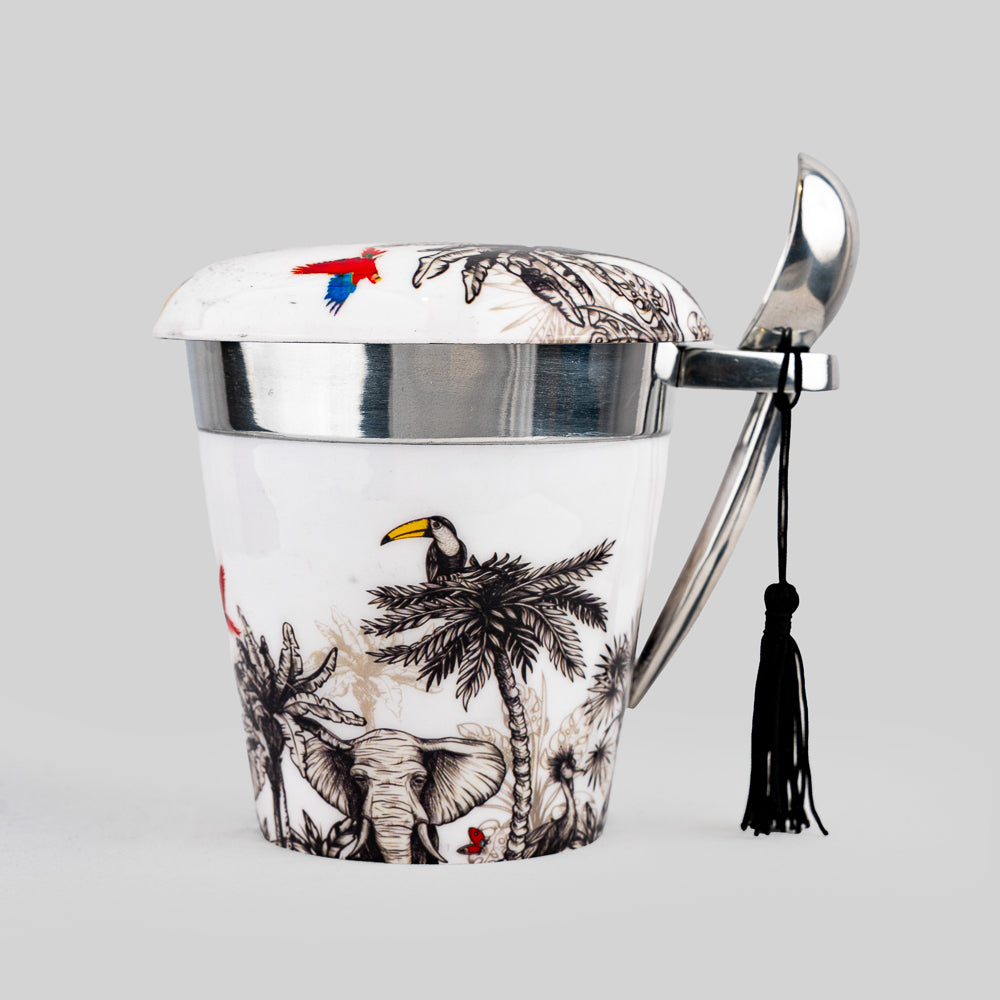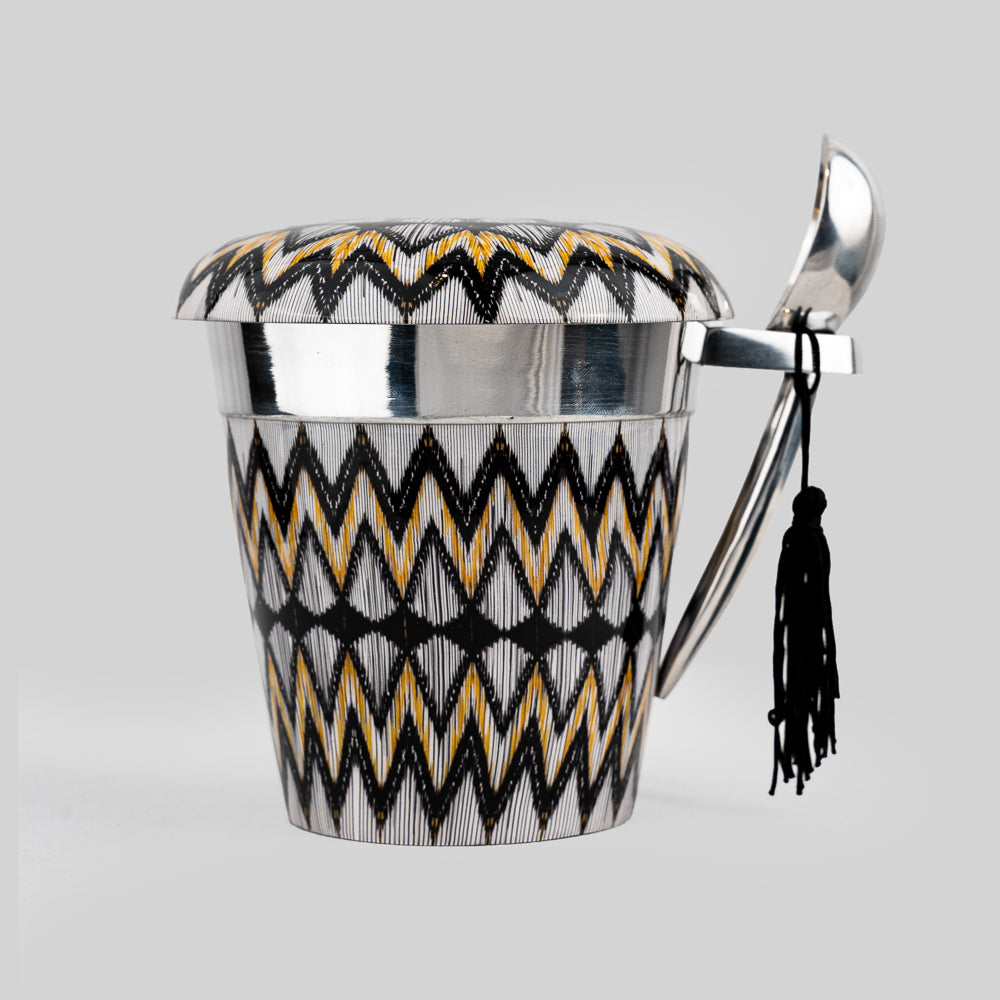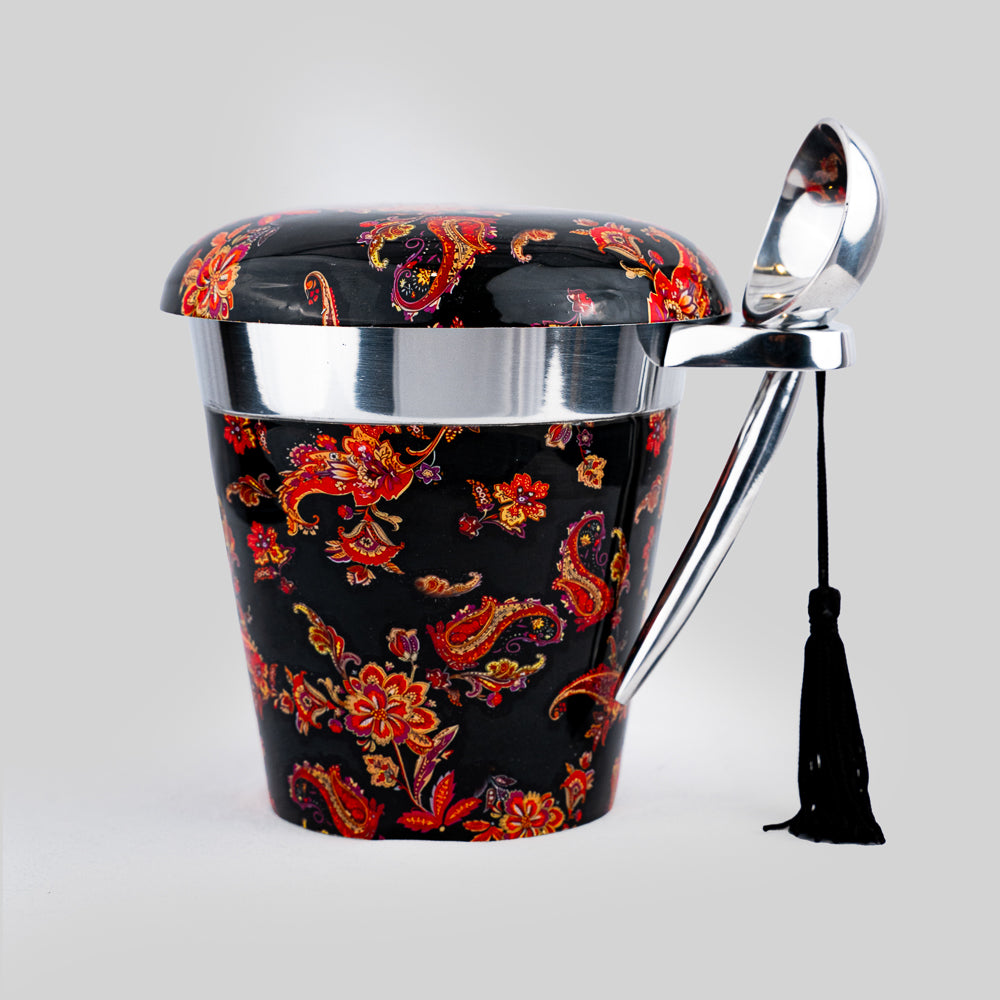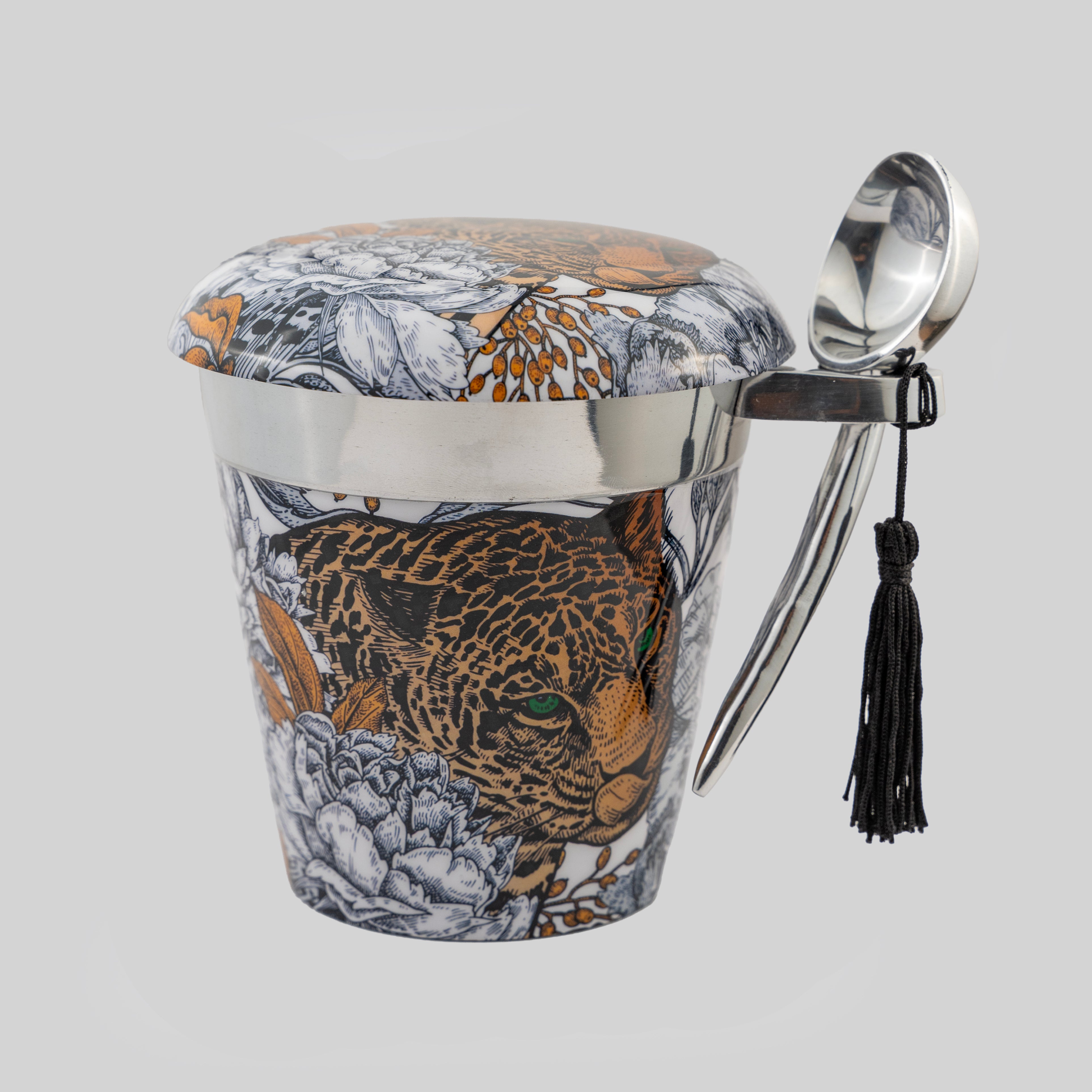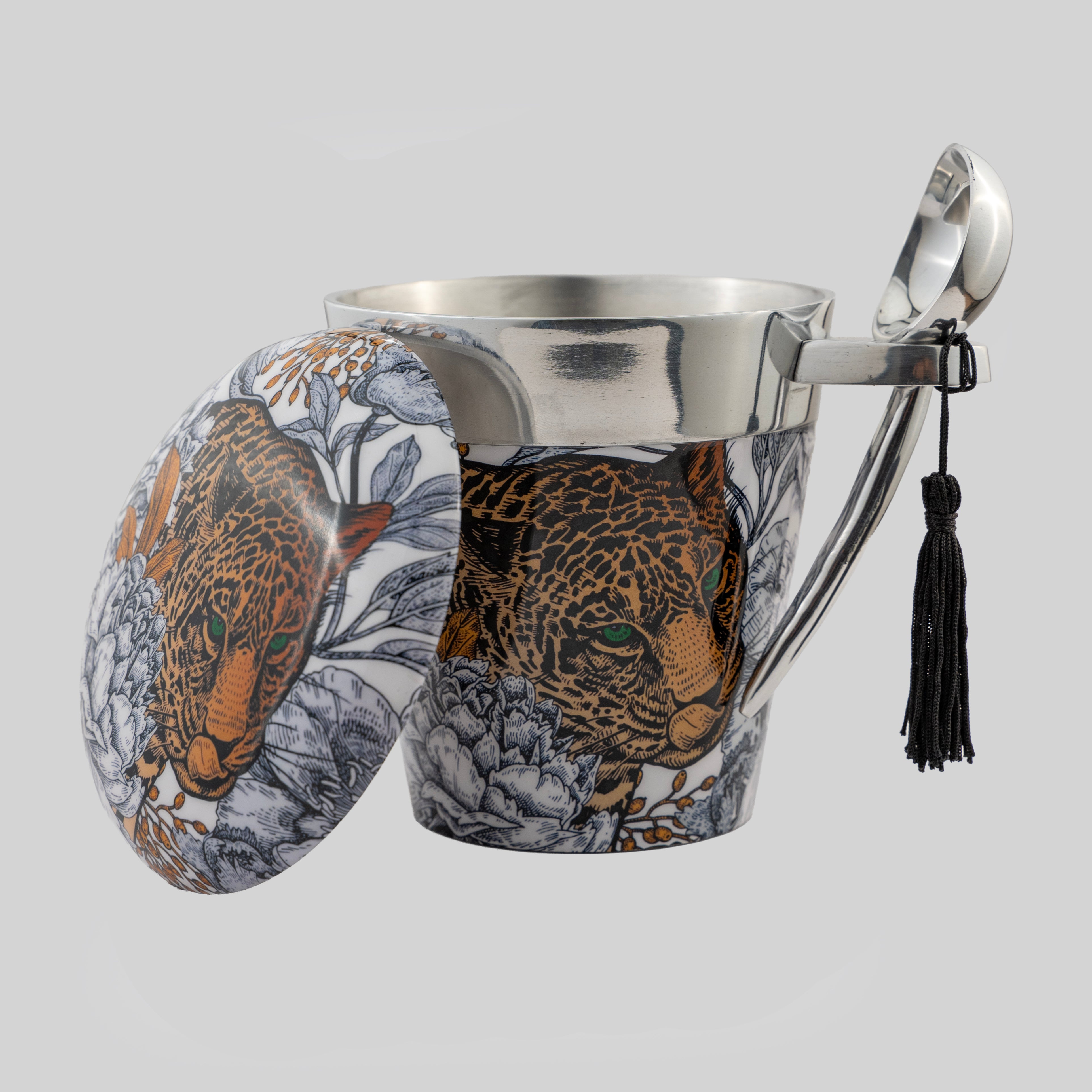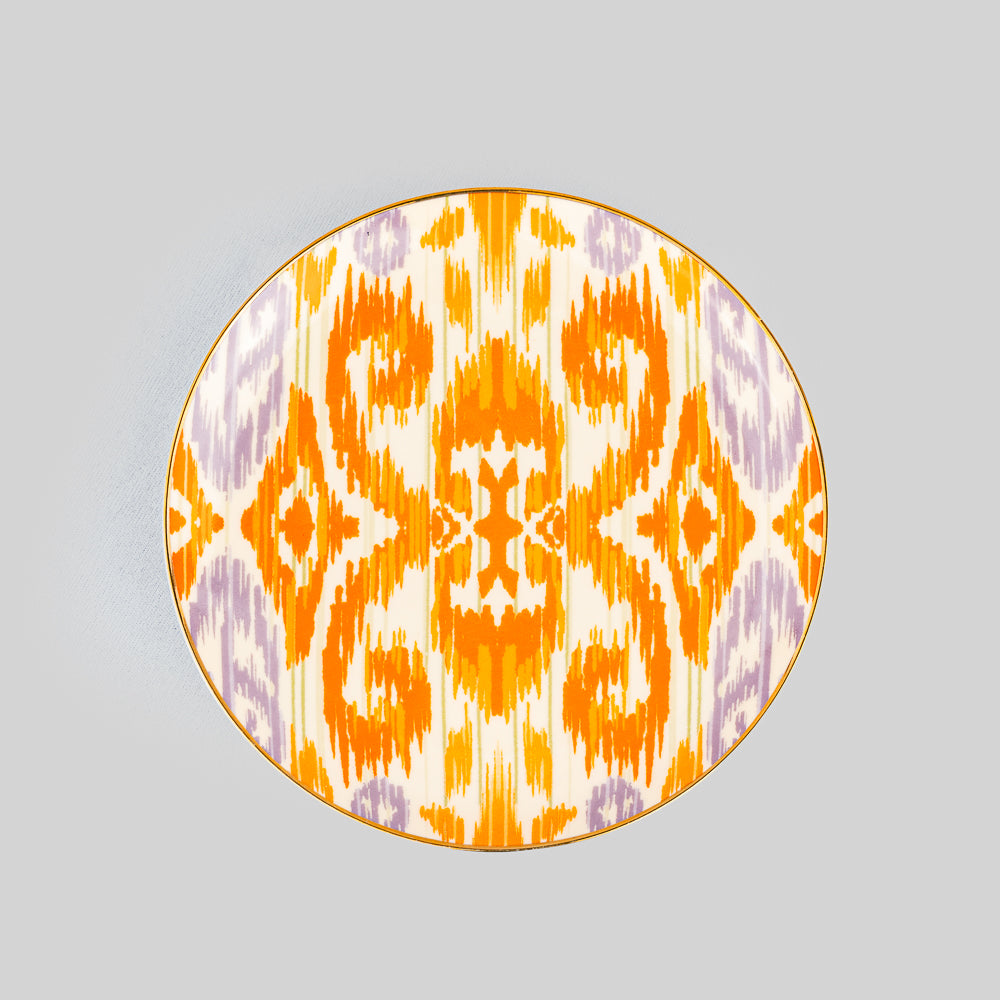


A tray is often the quietest object on a table until it is the one everyone notices. It frames the first round of drinks, gathers a candlelit coffee service, and gives a simple console a sense of intention. This decorative serving tray review looks beyond surface beauty to the details that make a tray worth bringing home: scale, material, finish, comfort, and the kind of occasion it is meant to elevate.
For a design-conscious home, a serving tray should not feel like an afterthought borrowed from the kitchen. It should carry the visual language of the room while doing its work with grace. The right choice can move from a weekend brunch to an evening cocktail hour, then settle beautifully on an ottoman or sideboard between gatherings.
What Makes a Decorative Serving Tray Worth Choosing?
A truly decorative tray balances two roles. It is a useful platform for carrying glasses, small plates, a teapot, or a cluster of appetizers. It is also a composed visual object, capable of creating order and atmosphere wherever it rests.
That balance begins with proportion. A tray that is too small may look charming on a bedside table but become impractical when guests arrive. One that is too large can overpower a compact coffee table or feel unwieldy when loaded. Before selecting a design, consider where it will live most often and what it will carry. A tray for two cups and a petite sugar bowl has different needs from one intended for six cocktails and a bowl of garnishes.
The rim matters more than it first appears. A raised edge helps contain a shifting glass, loose napkins, and small serving pieces, while also giving the tray a more finished silhouette. Handles should be substantial enough to hold comfortably without distracting from the design. Their placement affects balance, especially on wider trays where the weight of a full service can surprise you.
A strong decorative tray also has a point of view. Artistic prints, rich tones, sculptural handles, and thoughtfully chosen textures make it feel collected rather than merely convenient. In a room layered with neutral upholstery, a patterned tray can introduce personality. In a more expressive setting, a sleek lacquered or metal-accented option can bring calm and structure.
Decorative Serving Tray Review: Materials That Set the Mood
Material changes both the character and the daily experience of a tray. There is no universal winner. The right choice depends on whether you value lightness, durability, polish, or a more artisanal presence.
Wooden trays bring warmth and an easy sense of hospitality. They pair naturally with ceramic serveware, linen napkins, and candlelight, making them especially suited to relaxed lunches and layered living spaces. Their trade-off is care: moisture should be wiped promptly, and a delicate finish may not welcome frequent contact with spilled citrus, wine, or hot vessels.
Metal trays feel crisp, celebratory, and slightly more formal. A polished finish can reflect glassware and candlelight beautifully, while antique-inspired metal adds depth to a traditional or eclectic room. They tend to be durable, but fingerprints and water marks can be more visible on highly reflective surfaces. If the tray will be part of a formal bar setup, that extra polish may be worthwhile. If it will serve everyday breakfast, a textured finish can be more forgiving.
Printed or lacquered trays offer the strongest decorative impact. They are ideal for homes where tabletop details are part of the story - a floral motif for spring hosting, a graphic border for a modern dining room, or a jewel-toned surface that enriches a neutral living area. Look closely at the finish. It should feel smooth and sealed, not overly delicate or prone to visible scratching with ordinary use.
Natural materials such as rattan, cane, or woven fiber bring softness and texture, particularly in sunlit spaces or homes with organic finishes. They are beautiful for presenting dry snacks, arranging coffee-table objects, or carrying lightweight drinkware. They are less suited to unstable glasses or foods with sauces, unless they include a solid, easy-clean base.
Function Is Part of the Luxury
A beautiful tray that stays in a cabinet is a missed opportunity. The most rewarding designs invite regular use because they make simple rituals feel more composed.
For entertaining, test the imagined arrangement before buying. Picture four tumblers, a carafe, cocktail napkins, and a small bowl of citrus. Is there enough clear surface area? Will the handles remain easy to grasp? A tray does not need to hold an entire party service, but it should comfortably manage one purposeful round.
For dining, a rectangular tray often creates an elegant line for tea, coffee, or after-dinner drinks. Round and oval silhouettes soften a setting and work beautifully on circular tables, ottomans, and upholstered benches. A round tray can make a casual arrangement feel intentional, while a rectangular one can anchor a longer console or dining buffet.
Weight deserves consideration, too. A solid tray conveys quality, but excessive weight becomes tiring when it is loaded with glassware. This is especially relevant when shopping online, where a dramatic material or substantial handle may conceal a tray that is less practical for frequent carrying. For everyday hosting, seek a piece with visual presence but a manageable lift.
How to Read Quality in the Details
The difference between a tray that looks premium in a photograph and one that feels premium in the hand is often found at the edges. Examine how materials meet: corners should align cleanly, surface panels should lie flat, and decorative elements should feel intentionally integrated rather than attached as an afterthought.
On a printed design, clarity is a useful signal. Fine lines should remain sharp, colors should feel considered rather than flat, and the pattern should sit in proportion to the tray’s shape. A busy print on a small tray can feel crowded. Conversely, a large tray gives bolder artwork room to breathe.
Check the underside as carefully as the top. Protective feet or a smooth base help prevent scratches on a dining table, marble counter, or lacquered coffee table. This small feature is especially valuable for trays that will be styled permanently with books, vases, or candles. A tray should elevate the surface beneath it, not compromise it.
Finally, consider the finish in relation to your household. High-gloss surfaces are striking under evening light but may require more attentive cleaning. Matte and textured finishes are often gentler with daily use. Neither is better in every setting. The best finish is the one that suits how you actually live and host.
Styling a Tray Beyond the Dining Table
The appeal of decorative serveware is its ability to create a moment even when no meal is being served. On a coffee table, a tray can hold a low vase, a candle, and two favorite books while preventing the arrangement from feeling scattered. On an entry console, it can gather keys, a small catchall, and a fragrance object into a welcoming first impression.
In a guest room, a small tray with a carafe, glasses, and a handwritten note offers hospitality with minimal effort. On a bar cart, it creates a defined station for glassware and bottles, allowing a more relaxed setup to look polished. Choose one main composition rather than filling every inch. Negative space gives beautiful objects their presence.
For a table setting, let the tray support rather than compete with the meal. A patterned tray can be the visual highlight when dinnerware is understated. If your plates, tablecloth, or linens already carry color and print, a tray in a complementary solid finish may bring the necessary pause. Tyetye India approaches these pieces as both functional serveware and expressive accents, which is exactly the lens that makes a tray a lasting part of a home rather than a single-occasion purchase.
Care That Preserves the Finish
Most decorative trays benefit from gentle, immediate care. Wipe spills with a soft damp cloth, then dry the surface rather than leaving moisture to settle. Avoid abrasive sponges, harsh cleaners, and prolonged soaking unless the product’s material specifically allows it. Use coasters under chilled bottles or very hot vessels when a tray has a lacquered, printed, or natural finish.
If a tray is used for food service, line it with a napkin, plate, or small bowl rather than placing oily or acidic foods directly on the surface. This preserves the finish while making the presentation feel more considered. A well-chosen tray should acquire memories, not avoidable marks.
The most beautiful serving tray is the one that suits your rituals. Choose it for the coffee you bring to a friend, the drinks you offer before dinner, and the small styled corners that make home feel distinctly yours.