

A beautiful table rarely feels accidental. The difference between a setting that looks simply neat and one that feels quietly luxurious often comes down to layering - the thoughtful build of texture, proportion, and detail that gives each place setting presence.
If you have ever wondered how to layer luxury place settings without making the table feel crowded or overly formal, the answer is less about following rigid rules and more about creating visual rhythm. A refined setting should feel composed, not stiff. It should welcome guests in before the first course even arrives.
How to layer luxury place settings with intention
The first decision is not the plate. It is the mood. A luxury place setting works best when every element feels connected to a larger story - intimate dinner, festive lunch, quiet celebration, or a long weekend brunch with your favorite people.
That story guides everything else. If the table is meant to feel crisp and modern, cleaner lines and controlled contrast will do more than ornate layering. If you want warmth and softness, richer tones, patterned textiles, and tactile materials can create that sense of abundance. Luxury is not always maximal. Sometimes it is restraint, edited beautifully.
Before placing anything on the table, step back and consider the surface itself. A dark wood table may need less visual buildup because it already carries character. A plain dining table might benefit from a runner, placemat, or charger to ground each setting. Think of the table as the backdrop, not an afterthought.
Start from the base and build upward
The most polished place settings are layered from the bottom up. Begin with the element that frames the entire setting. In many cases, that is a placemat or charger. This foundation creates structure and gives the eye a clear starting point.
A charger brings ceremony. It instantly enlarges the setting and creates a sense of occasion, especially for dinners and celebrations. A placemat, on the other hand, can feel slightly more relaxed while still looking elevated, particularly in textured weaves, embroidered finishes, or statement prints. If you use both, be selective. The combination can feel richly dressed, but only if the sizes and finishes complement rather than compete.
Once the base is in place, add the dinner plate. This is your anchor. It should feel substantial enough to hold attention, but not so decorative that everything else has to fight with it. From there, layer a salad plate, starter plate, or bowl depending on the meal and the visual style you want.
The most elegant stacks usually follow one of two directions. They either stay tonal, using subtle shifts in texture and finish for a calm, collected look, or they mix one statement piece with quieter supporting layers. Both approaches work. What matters is balance.
If your dinner plate has an intricate border or artistic motif, the plate above it should be simpler. If the base plate is clean and understated, the top layer can carry more personality. Luxury comes from contrast with control.
The role of proportion
A layered setting should feel generous, not bulky. Plates need visible edges between them so each layer can be appreciated. If the stack is too tight, the effect disappears. If the pieces are too oversized for the table, the setting can feel crowded and impractical.
This is where scale becomes important. A place setting may look stunning in isolation and still fail once repeated across a full table. Leave enough room for glassware, flatware, shared serving pieces, and conversation. True elegance never forces guests to navigate clutter.
Linens are what make the table feel dressed
If plates provide architecture, linens bring softness. They are often the detail that shifts a table from functional to atmospheric. A crisp napkin, a beautifully cut runner, or a textured placemat adds depth in a way porcelain alone cannot.
For luxury layering, napkins should feel intentional. Folded cleanly beneath the top plate, they create a composed and tailored look. Draped through a napkin ring, they add sculptural interest and a sense of movement. Neither is better in every case. It depends on the mood.
A more formal dinner benefits from precision. A casual but polished gathering may feel more inviting with a looser fold and a decorative ring. Printed linens can be striking, but they need breathing room. If the plates already feature color or pattern, solid napkins often create the right pause. If the dinnerware is minimal, textiles are a smart place to introduce character.
Texture matters as much as color. Matte cotton, linen blends, embroidered edges, beaded details, and layered weaves all change the mood of the table. When everything is glossy or smooth, a setting can look flat. A little texture gives it soul.
Glassware and flatware should frame, not distract
A luxury place setting is never only about the center stack. The surrounding pieces complete the composition. Glassware and flatware should feel deliberate in shape, finish, and spacing.
With glassware, less is often more. One water glass and one wine glass may be all you need for a table that feels polished and modern. For a more formal setting, adding a second wine glass can create that fuller, layered look. The key is alignment. Keep the cluster neat and allow enough distance so the stems do not visually tangle.
Flatware introduces another opportunity for nuance. Brushed gold, polished silver, black matte, or horn-inspired handles each tell a different story. The finish should relate to the rest of the table, but it does not need to match every detail exactly. In fact, a slightly unexpected material can make the setting feel more curated.
What you want to avoid is visual noise. If the plates are ornate, choose cleaner flatware. If the dinnerware is minimal, a more distinctive flatware shape can add edge. This trade-off is what keeps the table refined rather than overstyled.
How to layer luxury place settings without overdoing it
The easiest mistake is assuming that more pieces automatically create more luxury. They do not. A place setting can include chargers, dinner plates, appetizer plates, bowls, folded linens, napkin rings, menus, place cards, multiple glasses, and decorative accents - and still feel heavy.
The better question is this: what deserves attention here? If the dinnerware has a striking print, let it lead. If the tablemat and napkin ring are the heroes, keep the plate stack cleaner. If your serving platters or centerpiece will be dramatic, scale the place settings back slightly so the whole table remains harmonious.
Editing is part of the art. Luxury is not just addition. It is selection.
A useful rule is to mix statement, texture, and simplicity in unequal measure. One element can be bold, one can be tactile, and the rest should support. When every layer asks to be noticed, the table loses its grace.
Color stories that feel elevated
Some of the most memorable tables rely on a disciplined palette. Ivory with brushed gold and deep green feels timeless. Charcoal, cream, and clear glass feel architectural and modern. Jewel tones can be beautiful for evening, but they need grounding through neutrals or metallic restraint.
Monochrome layering can look especially luxurious because it draws attention to silhouette and material. A setting built in shades of white, stone, and champagne does not read plain when the finishes vary. Gloss against matte, smooth porcelain against woven linen, clear glass against a metallic accent - these shifts are what make a quiet table feel rich.
If you prefer more color, repeat it thoughtfully rather than scattering many shades across the table. A hint of burgundy in the napkin, echoed in the plate rim or floral detail, looks intentional. Random color placement tends to feel less refined.
The finishing details that change everything
Once the core setting is in place, small accents can make it feel complete. A napkin ring with sculptural shape, a handwritten place card, or a single decorative object at each setting can add personality. These are the details guests remember because they feel considered.
That said, every finishing touch should earn its place. If it interferes with comfort, blocks the plate, or competes with the meal, it is decoration for decoration's sake. The most successful tables understand that beauty and usability should sit together.
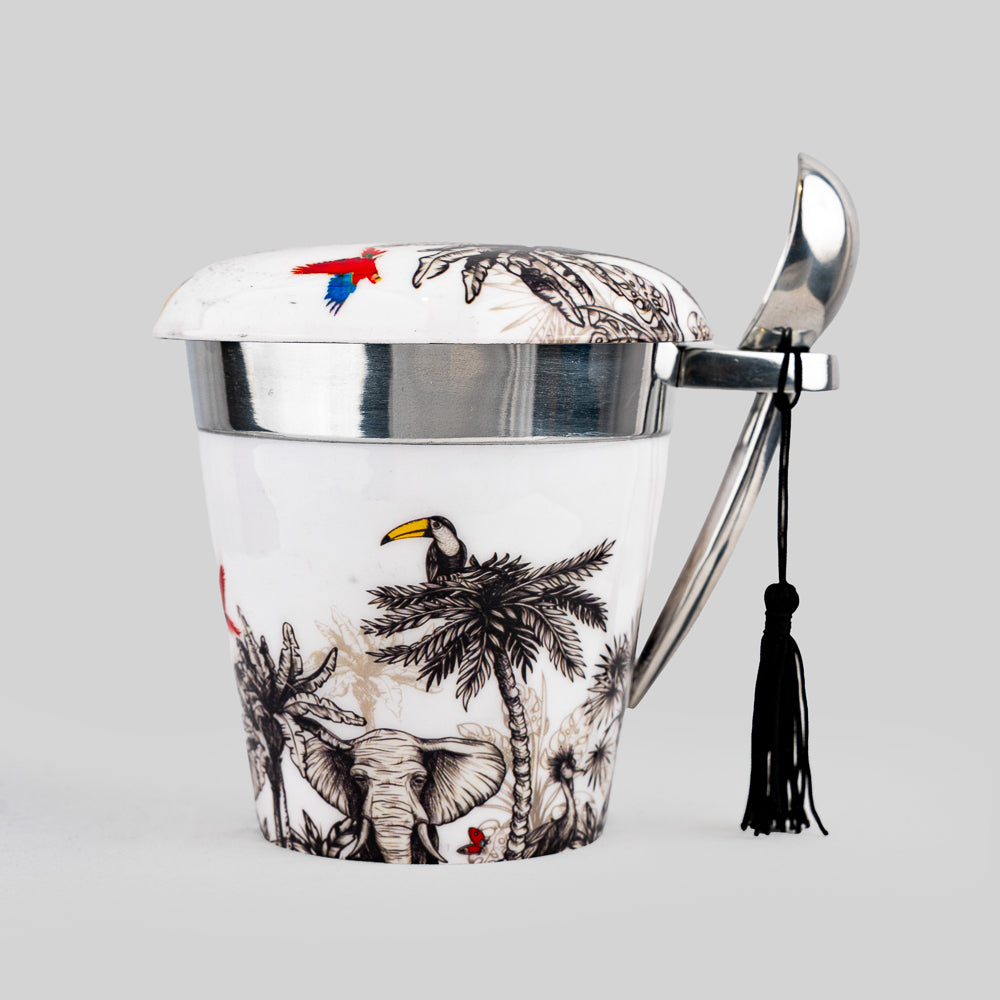
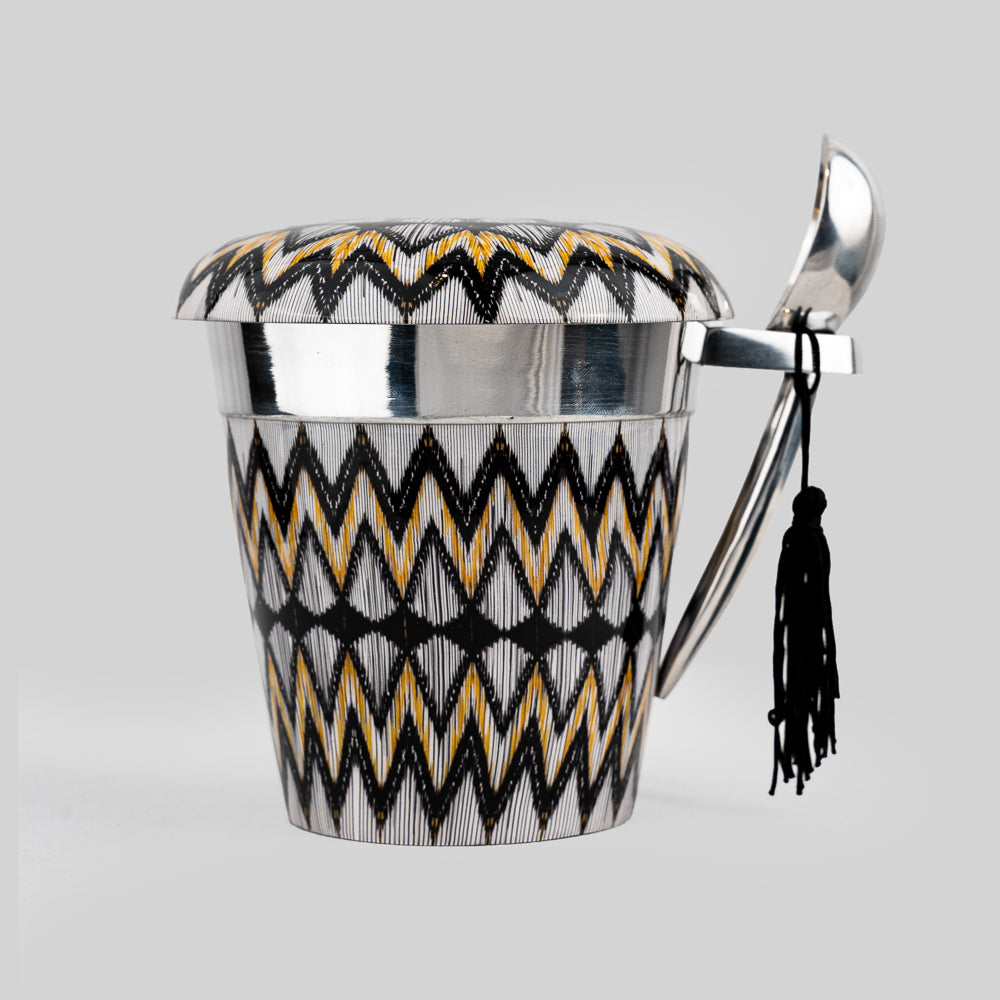
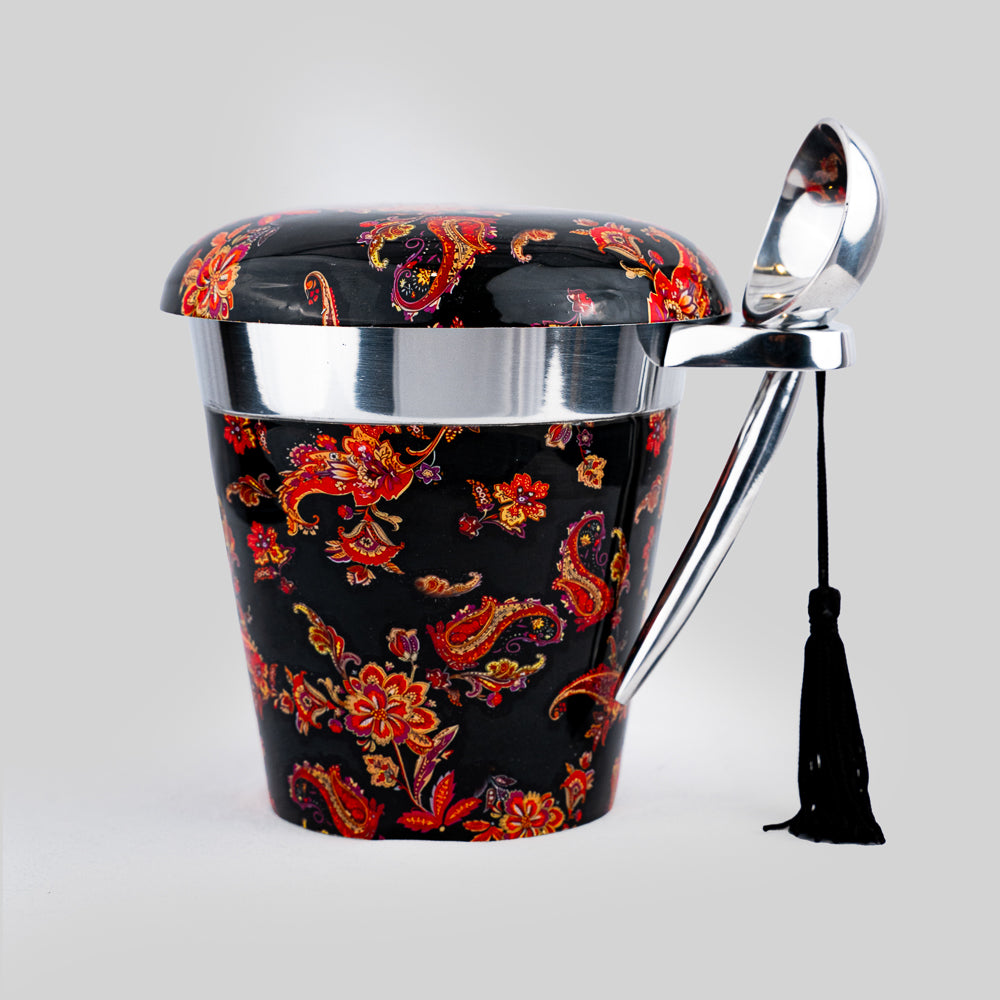
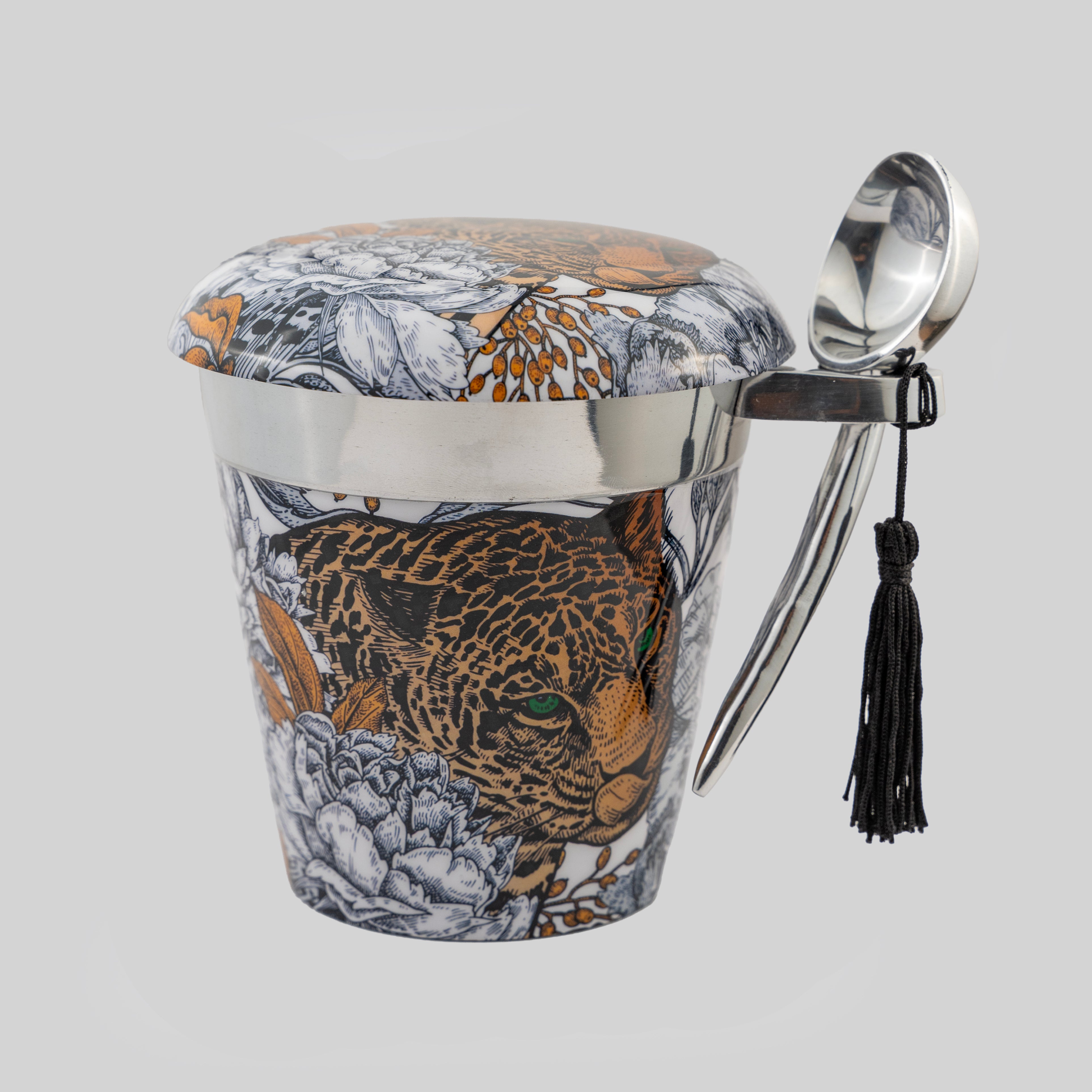
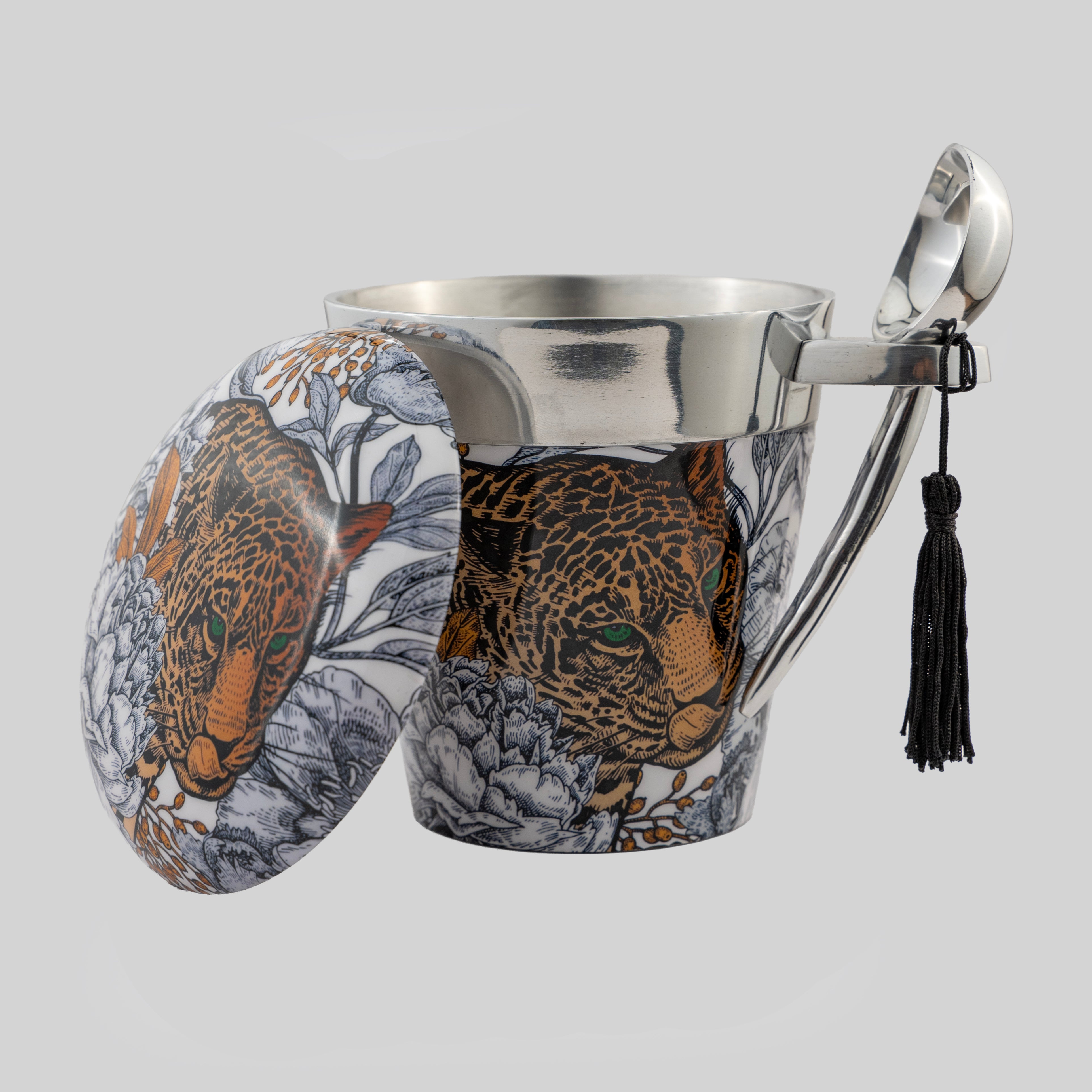
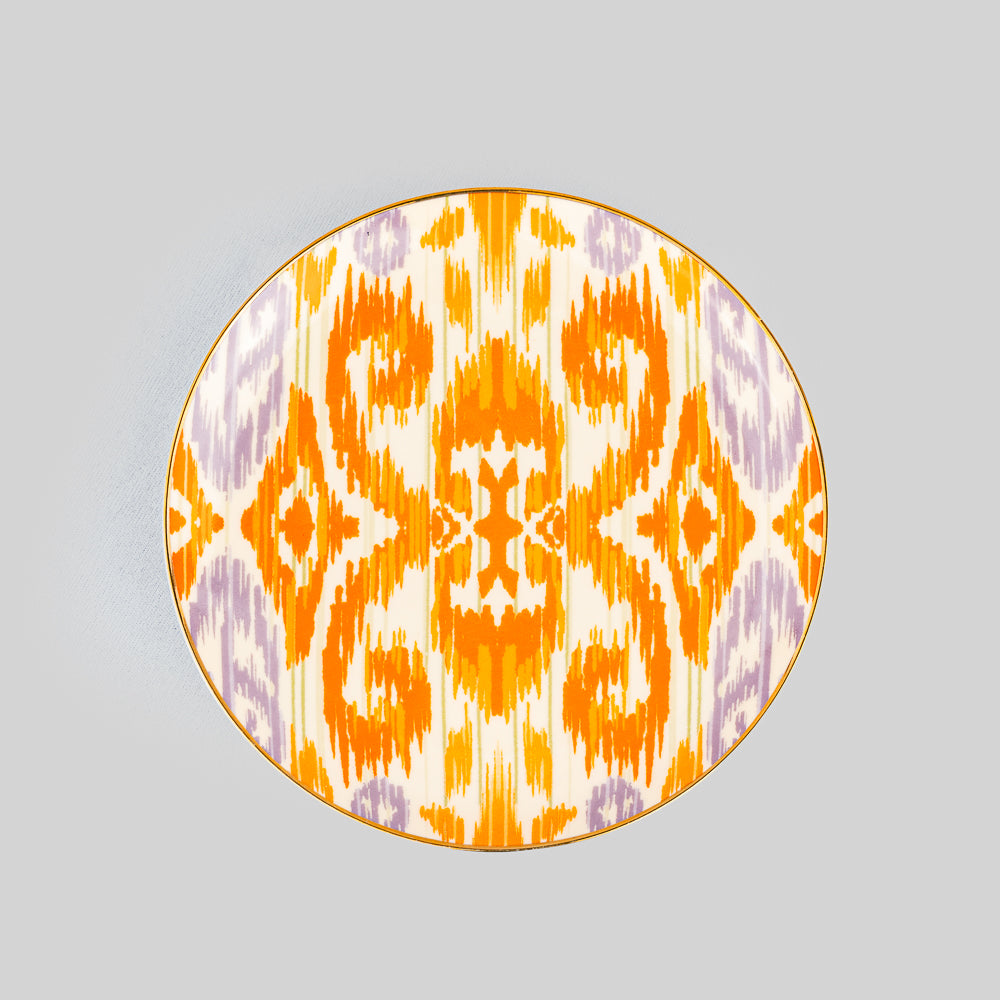
This is where design-forward tabletop pieces make such a difference. A well-chosen napkin ring, a distinctive placemat, or a plate with artistic presence does more than fill space. It gives the table identity. That is often the difference between a setting that looks expensive and one that feels expressive.
For hosts who want that layered, collected effect, Tyetye India reflects this idea beautifully - pieces that function with ease but still carry the charm of conversation starters.
Layer for the occasion, not just the photograph
A luxury place setting should still feel livable. What works for a festive dinner may be too much for an everyday lunch. What suits a formal holiday table may feel rigid at a relaxed gathering. The most stylish hosts know how to adjust the layering while keeping the feeling intact.
For everyday elegance, a placemat, dinner plate, cloth napkin, and one beautiful glass can be enough. For celebrations, you might add a charger, an accent plate, a napkin ring, and fuller glassware. The language of luxury stays the same, but the volume changes.
That is the real beauty of layering. It allows you to create atmosphere with intention, whether the meal is simple or elaborate. When each piece has a role and the table feels edited rather than assembled, guests notice. Not because the setting is loud, but because it feels unmistakably cared for.
Set the table the way you want the evening to feel - generous, composed, and worth lingering over.