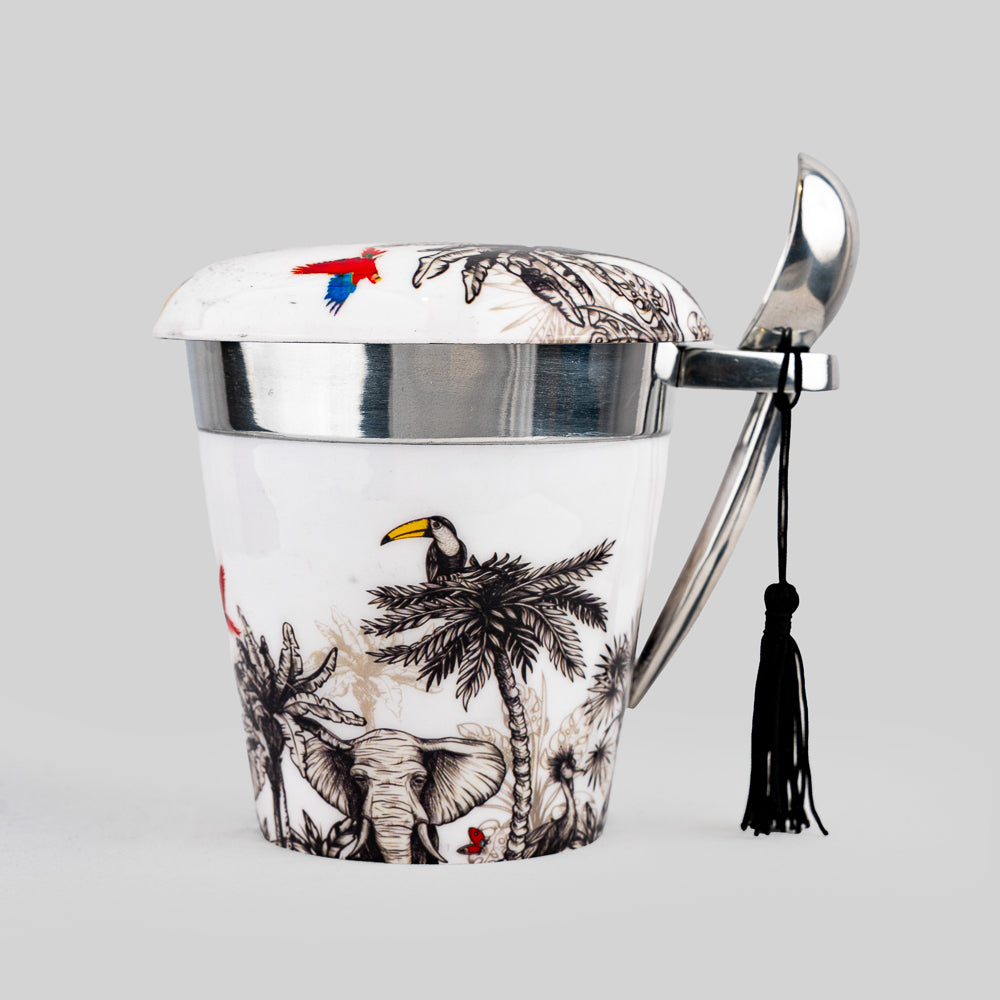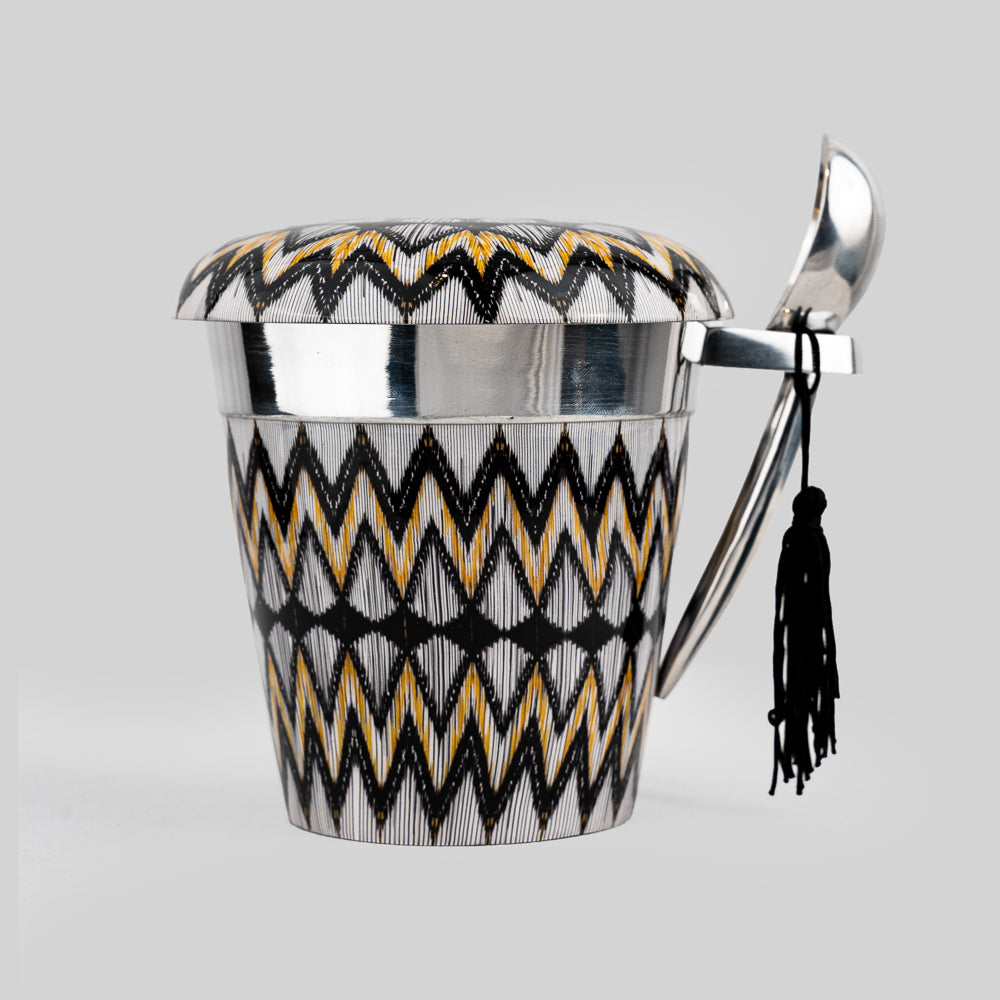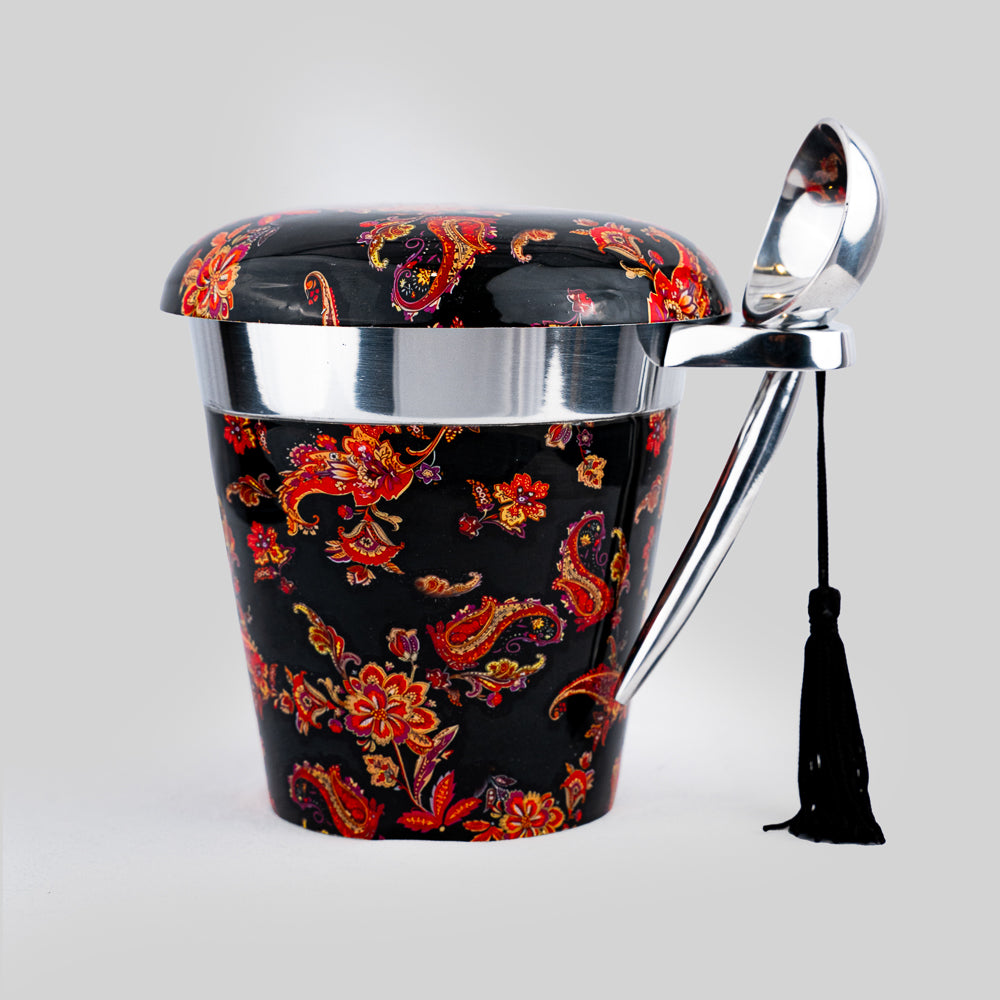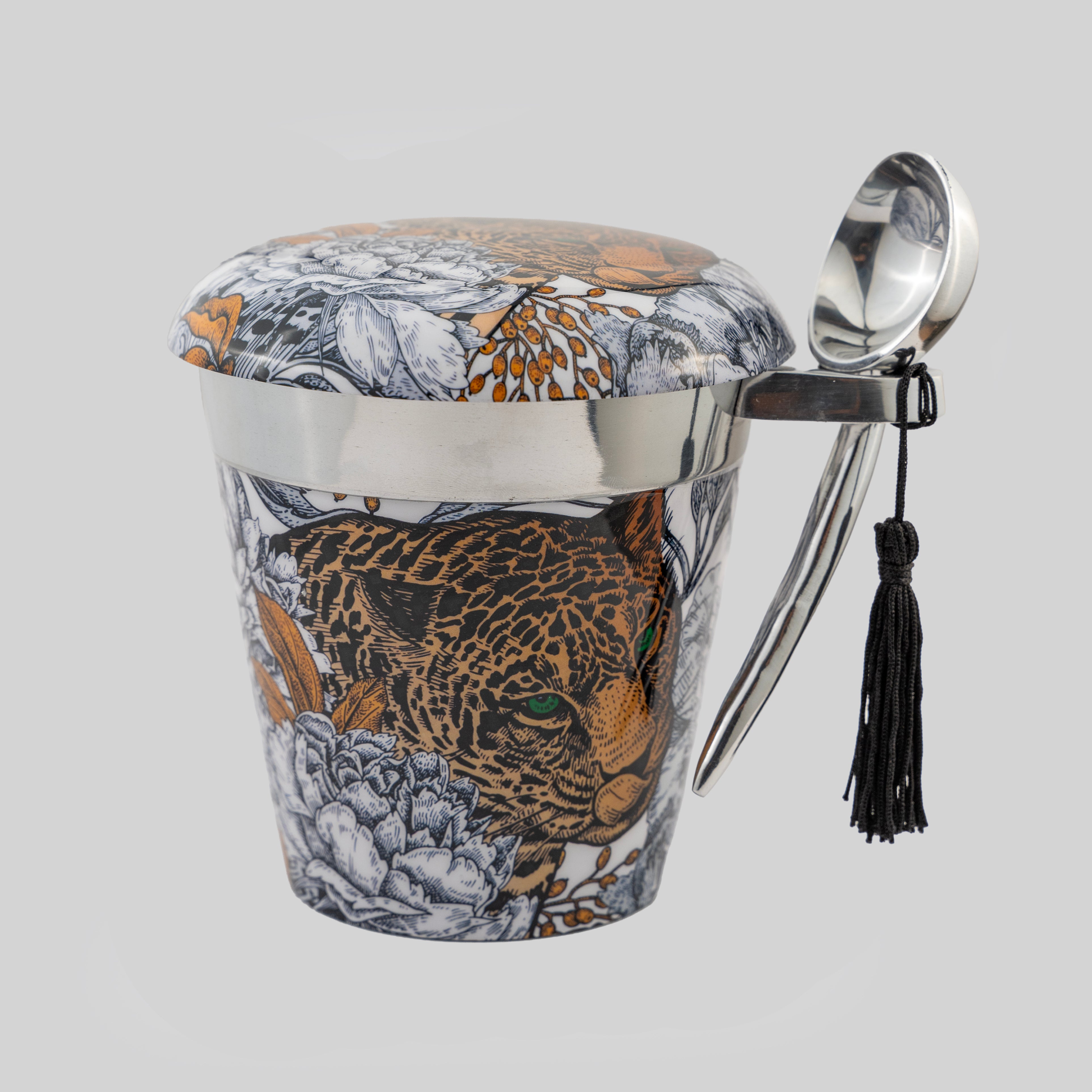


A well-set table is rarely about abundance. More often, it is about restraint - the quiet confidence of pieces chosen with intention, each one adding texture, contrast, and character without crowding the moment. That is exactly where a luxury dining accessories guide becomes useful: not as a checklist of expensive objects, but as a way to understand which details actually shape the mood of a meal.
Luxury in dining is less about formality and more about experience. The right accessories can make a weekday dinner feel composed, a holiday lunch feel layered, and a simple coffee service feel memorable. When every piece on the table has a purpose, the setting begins to feel lived-in, personal, and beautifully complete.
What defines luxury dining accessories?
Luxury dining accessories sit in the space between function and expression. They are the objects that support the table while also giving it identity: a sculptural tray that frames a drinks service, elegant napkin rings that sharpen a place setting, coasters that feel considered rather than incidental, or serving pieces that carry as much visual presence as the dish itself.
What separates them from ordinary tabletop additions is not price alone. It is craftsmanship, material depth, finish, proportion, and the ability to bring a sense of cohesion to the setting. A luxury accessory should feel satisfying in the hand, easy on the eye, and relevant to the occasion. It should also age well, both physically and stylistically.
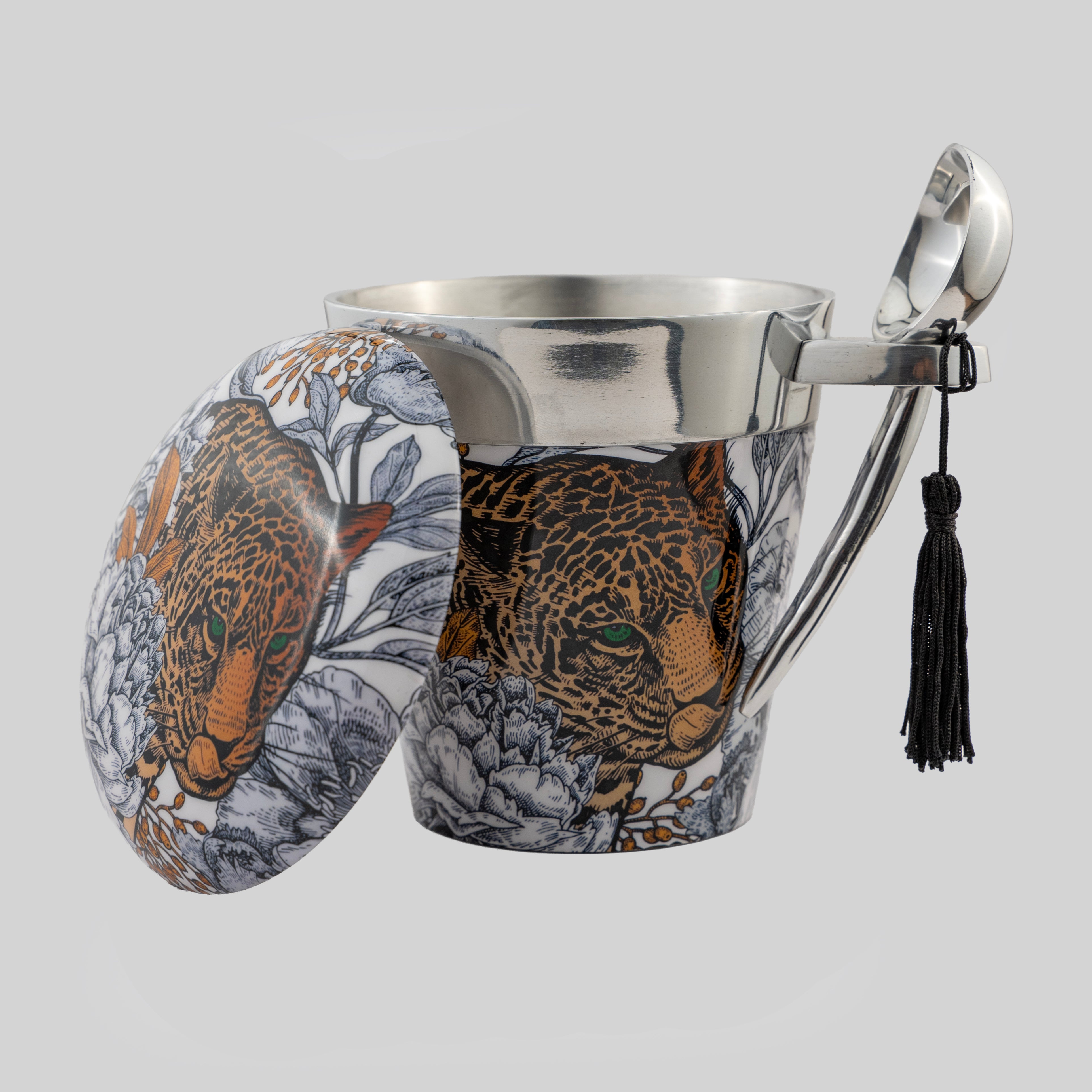
That said, luxury does not always mean ornate. For some homes, it may look like polished metal, cut glass, and crisp symmetry. For others, it may mean horn accents, artisanal prints, layered textures, and subtle drama. The common thread is intention.
A luxury dining accessories guide to the pieces that matter most
If you are building a table with impact, start with the accessories that influence both function and atmosphere. The strongest tablescapes usually rely on a few categories working together rather than one hero object trying to do all the work.
Serving trays and platters
A tray does more than carry. It creates a visual zone, which is why it works so well on dining tables, consoles, and sideboards alike. Use one to anchor a water service, display after-dinner coffee, or present desserts with a little ceremony. Platters offer a similar effect at the table itself, especially when their shape or finish contrasts with the dinnerware.
When choosing trays and platters, pay attention to silhouette. Rectangular forms feel tailored and architectural, while round or softly curved pieces bring movement. If your dinnerware is already patterned, a quieter tray can steady the look. If the rest of the table is minimal, a printed or textural platter can become the conversation piece.
Glassware and drinkware accents
Glassware has a powerful effect on how polished a table feels. Even when the meal is relaxed, thoughtfully chosen glasses elevate the rhythm of service. Water goblets, stemware, coupes, and specialty glasses each contribute to the mood, but consistency matters more than quantity.
If you entertain often, build from your most-used format. A beautiful water glass and one versatile wine glass will usually serve better than a crowded cabinet of niche shapes. For celebratory hosting, you can introduce statement pieces with more flair. The trick is balance: if the glassware is ornate, let the surrounding accessories breathe.
Tablemats, coasters, and linens
These are often the unsung elements of a refined table. Tablemats define each place setting and protect the surface, but they also establish your textural base. Coasters may seem small, yet they can quietly reinforce the language of the room, especially when repeated across dining and living spaces.
Linens bring softness where ceramics, glass, and metal can feel hard. A table with all shine and no fabric can read cold. On the other hand, too many layered textiles may feel overworked. If your accessories are decorative, keep linens crisp and understated. If your tabletop pieces are restrained, richer textures can add depth.
Napkin rings and small decorative details
The smallest details often carry the most charm. Napkin rings, place card holders, salt and pepper sets, and petite serveware pieces create that sense of finishing touch that guests notice without necessarily naming. They suggest care.
This is also where personality can enter most freely. A bold napkin ring, a sculpted spoon rest, or a beautifully finished butter knife can shift the table from generic to memorable. These accents are particularly effective when you want the setting to feel elevated without replacing larger essentials.
How to choose accessories that feel cohesive, not crowded
The easiest mistake in luxury table styling is assuming more always means better. In practice, a table feels luxurious when there is visual clarity. Every accessory should support a larger story.
Start with one dominant idea. It may be a color family, a material, a motif, or a mood. Perhaps you want a table that feels warm and celebratory, with amber tones, metallic highlights, and candlelight. Or perhaps you prefer something fresher and more contemporary, with clear glass, monochrome layers, and clean lines. Once that direction is clear, choosing accessories becomes easier.
Scale matters just as much as style. Oversized serving pieces can look dramatic on a large dining table but overwhelm a compact apartment setting. Delicate coasters may disappear against bold dinnerware. Before buying, imagine the accessory not in isolation but in relationship to your plates, linens, and furniture.
Material mix is another place where judgment matters. Combining glass, metal, wood, lacquer, ceramic, and natural textures can be beautiful, but only if there is some visual rhythm. Repeating one finish in two or three places often helps. For example, if a tray has brass detailing, brass-toned napkin rings or flatware accents can make the composition feel intentional.
Styling for different occasions
One of the best reasons to invest in luxury dining accessories is versatility. The same core pieces can shift across occasions with just a few thoughtful adjustments.
For everyday dining, keep the table edited. A refined placemat, good glassware, and a simple coaster set may be enough. The goal is ease with polish. This is where quality earns its place - pieces that look special but still feel practical for repeated use.
For intimate dinners, layer more deliberately. Add a serving tray for drinks, sculptural napkin rings, and one or two standout serving pieces. Candles or florals can complete the setting, but they should not compete with the accessories themselves.
For festive gatherings, this is the moment for stronger visual contrast. Richer colors, decorative platters, and expressive tabletop accents can create a celebratory mood. Still, leave room for food and conversation. Luxury hosting should feel generous, not fussy.
Investment pieces versus finishing touches
Not every accessory needs to be a major purchase. A well-built collection usually combines foundation pieces with smaller accents that refresh the look.
Investment pieces are the ones you return to constantly: serving trays, platters, versatile glassware, and timeless tablemats. These deserve careful selection because they set the visual standard for everything around them. They should be durable, adaptable, and aligned with your home’s broader style.
Finishing touches are where you can play more freely. Napkin rings, seasonal coasters, decorative serveware, and accent pieces can update the table without requiring a full reset. This balance keeps your collection from feeling static while protecting it from trend fatigue.
For many design-conscious hosts, the sweet spot is a wardrobe approach to the table. Keep the essentials consistent, then change the accents depending on season, guest list, or mood.
The emotional value of a beautifully accessorized table
The most compelling reason to care about dining accessories is not visual perfection. It is what those details make possible. A table set with attention changes how people arrive to the meal. It signals welcome, thoughtfulness, and a certain generosity of spirit.
Beautiful accessories also turn everyday rituals into something more grounding. Morning tea on a tray, dessert served on a platter with presence, glasses arranged beside thoughtful coasters - these moments may be small, but they shape the feeling of home. For a brand like Tyetye India, that is the real appeal of tabletop design: objects that are useful, expressive, and quietly transformative.
If you are building your collection, choose pieces that make you want to host, linger, and set the table even when there is no special occasion on the calendar. That is usually the clearest sign you have chosen well.