

A memorable gathering rarely begins when the first guest rings the doorbell. It begins with the quiet decisions made beforehand: the glassware that catches candlelight, the platter placed at the center of the table, the napkin ring that gives an otherwise simple setting a sense of occasion. Modern hosting trends are bringing that sense of intention back into focus, with tables that feel less formal than a traditional dinner party and far more personal than an everyday meal.
The most compelling homes are not styled to look untouchable. They are styled to be lived in, shared around, and remembered. For the contemporary host, beauty and ease are no longer opposites. A well-set table can feel artful without feeling precious, and a gathering can be polished without requiring weeks of planning.
Modern Hosting Trends Favor Personality Over Perfection
For years, entertaining often followed a familiar visual script: matching dinnerware, symmetrical place settings, and a carefully controlled palette. That approach still has its place, especially for a formal celebration, but modern hosts are making room for more expression. The new luxury is not strict coordination. It is thoughtful curation.
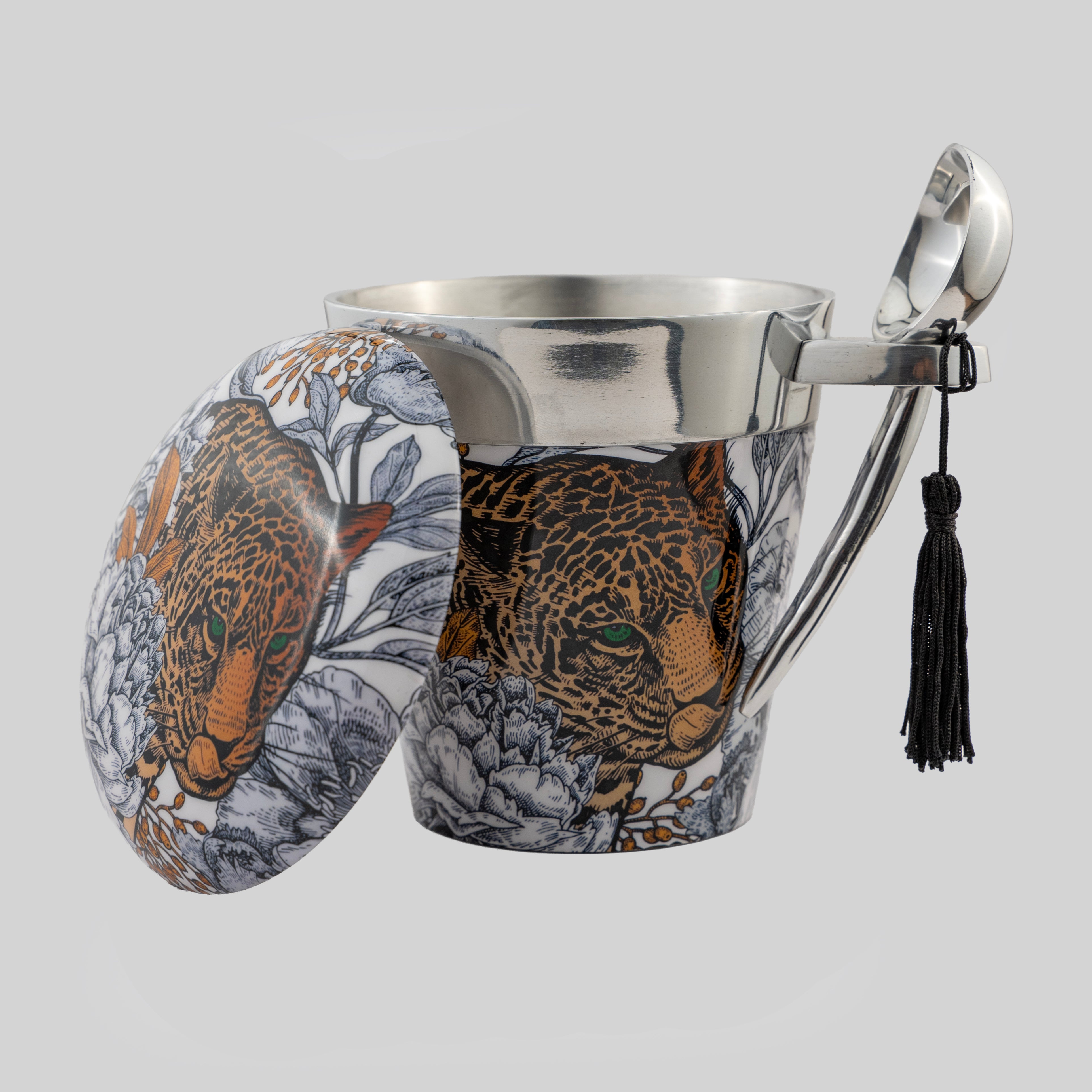
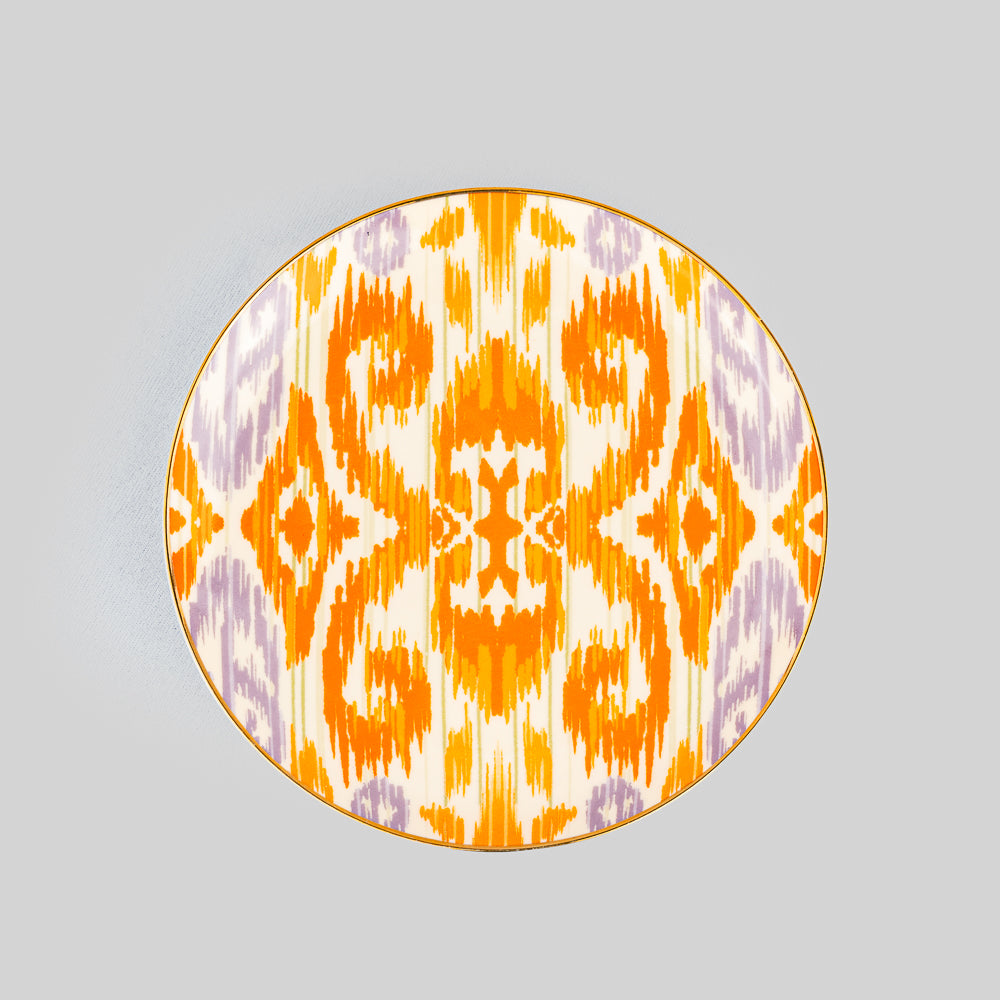
A patterned serving tray beside softly tinted glassware, a sculptural bowl filled with citrus, or an unexpected mix of linen and metallic accents can make a table feel collected over time. The result is not disorder. It is character.
This shift is particularly appealing because it allows a home to reflect the people in it. A host who loves vivid prints may build a bright, playful brunch table. Someone drawn to quieter interiors may choose ivory ceramics, hand-finished textures, and warm wood details. Both can feel elevated because the point is coherence, not sameness.
The trade-off is that expressive tables need an edit. When every piece asks for attention, the eye has nowhere to rest. Choose one or two focal elements, such as a statement platter or distinctive drinkware, then let the surrounding pieces support them through complementary color, material, or scale.
The Return of the Layered Table
Layering has moved beyond fashion and interiors into tabletop styling. Rather than treating dinnerware as a single functional category, hosts are building depth from the table up. A placemat establishes the foundation, a charger or dinner plate frames the meal, and a smaller plate or bowl adds dimension. A folded napkin and a beautiful ring complete the setting without making it feel overly ceremonial.
This does not mean every meal needs four pieces of dinnerware. The most successful layered tables respond to the occasion. For a weekday supper, a textured placemat, a plate, and a well-chosen tumbler may be enough. For a birthday dinner or holiday lunch, adding a serving layer, candleholders, and coordinated napkin accents creates a fuller visual rhythm.
Material contrast makes these arrangements especially inviting. Consider smooth glass against woven texture, glossy ceramic beside natural linen, or warm-toned metal paired with a matte stoneware surface. These contrasts create visual richness even when the palette stays restrained.
A useful rule is to repeat a finish or color at least twice. If a gold-toned napkin ring appears at each place setting, echo it with the rim of a tray or a small accent bowl. Repetition gives a mixed table a sense of quiet order.
Tablescapes Are Becoming More Conversational
The center of the table no longer has to be dominated by a towering floral arrangement. In fact, lower, more flexible centerpieces are among the most practical hosting choices. Guests want to see one another, pass dishes easily, and settle into conversation without leaning around a dramatic bouquet.
Fruit in a decorative bowl, a cluster of votives, a row of small bud vases, or a sculptural object placed beside serveware can create an equally beautiful focal point. These details also make the table feel less like a restaurant and more like a home with a point of view.
There is a practical benefit, too. Styling with objects you already enjoy throughout the house makes hosting more sustainable and less stressful. A photo frame, side-table accent, or decorative tray can be brought into the dining space for the evening, then returned to its usual corner afterward. The home feels connected rather than reset for a single event.
Hosting Is Moving Beyond the Dining Table
One of the most welcoming modern hosting trends is the rise of informal gathering zones. Not every occasion calls for a seated dinner, and not every host has a large dining room. Coffee tables, kitchen islands, bar carts, and side tables are all becoming part of the entertaining landscape.
A living-room cocktail hour, for example, becomes more considered when drinks are presented on a distinctive tray with coasters close at hand. Small bowls of snacks, cocktail napkins, and a few thoughtfully chosen glasses make it easy for guests to help themselves while preserving a sense of occasion.
For an afternoon tea or casual dessert gathering, a low table can hold a tea set, petite plates, and a selection of sweets arranged on tiered or sculptural serveware. The atmosphere is relaxed, but the presentation still communicates care.
This approach is especially useful in smaller homes. Instead of trying to create one perfect entertaining area, give each space a role. The kitchen can be where food is served, the dining table can hold dessert, and the living room can invite guests to linger. Movement between spaces gives a gathering an unforced rhythm.
Color Is More Confident, but Neutrals Still Matter
Color is returning to the table in a more nuanced way. Rich greens, cobalt blues, saffron tones, wine reds, and jewel-like glassware are appearing alongside warm neutrals. Yet this is not a call to abandon the timeless appeal of cream, black, clear glass, or natural textures. Instead, contemporary styling treats neutrals as a canvas for a more expressive detail.
If you are uncertain about introducing color, start with one category. Colored water glasses can transform a white dinner setting. Printed tablemats can add energy beneath simple plates. A vivid platter can turn a familiar recipe into a centerpiece.
Seasonality can guide the palette without becoming literal. Spring might suggest fresh greens and clear glass, while autumn can lean into deep amber, walnut, and oxblood. During the holidays, a restrained table with warm metallic accents and candlelight may feel more enduring than decorations in every corner.
The most polished settings generally have a dominant tone, a supporting tone, and a small contrasting accent. This keeps color intentional rather than accidental.
The Best Tables Make Guests Feel Considered
Aesthetic impact matters, but hospitality is what gives a table its real warmth. Modern hosts are paying closer attention to comfort: enough serving utensils, drinks within reach, a clear place for bags or coats, and food arranged so guests do not have to ask permission to enjoy it.
Personal touches can be subtle. Place cards are not reserved for formal occasions if they help guests find a seat with ease. A favorite sweet placed on each plate, a handwritten menu, or a small floral clipping beside a napkin can make a guest feel genuinely welcomed.
It also helps to design for the meal you are actually serving. If the menu is family-style, leave room for platters and bowls. If it is a cocktail gathering, prioritize surfaces for glasses and small plates. A table that looks beautiful but cannot accommodate the food will ask the host to keep solving problems throughout the evening.
A More Meaningful Way to Entertain
The enduring appeal of modern hosting lies in its balance. It celebrates visual drama, but values comfort. It embraces special pieces, but invites them to be used. It makes room for tradition, personal taste, and the happy imperfections of a table that has been enjoyed.
At Tyetye, the idea is simple: where every table tells a story. Begin with one piece that feels unmistakably yours, whether it is an artistic platter, an elegant set of glasses, or a tray that changes the mood of a room. Then build the evening around the people who will gather there. The loveliest detail is never just how the table looks, but how naturally it encourages everyone to stay a little longer.