

A dining sideboard is more than useful storage for linens and serving pieces. It is the pause before the table, the place where guests set down a glass, and a quiet opportunity to establish the mood of the meal. Learning how to style dining sideboard decor is less about filling every inch and more about creating a composed scene that feels personal, useful, and ready for company.
The most memorable sideboards balance visual beauty with the rituals of hosting. A sculptural vase may set the tone, but a well-placed tray of glasses or a stack of cocktail napkins gives the arrangement purpose. Think of the surface as an extension of your tablescape: layered, expressive, and designed to make people feel welcome.
Start With the Sideboard’s Role in the Room
Before selecting a single object, look at what the sideboard needs to do. In a formal dining room, it may be a ceremonial backdrop for dinner parties, holding a statement lamp, framed art, and a few decorative accents. In an open-plan home, it may need to work harder - serving as a bar during gatherings, a landing place for platters, or a transition between dining and living spaces.
Its scale matters too. A long, low sideboard can carry a wider composition with several grouped elements. A compact cabinet benefits from restraint, with one bold focal point and a few supporting pieces. If the furniture itself has strong character - richly grained wood, fluting, lacquer, or a dramatic stone top - let the finish remain visible. Styling should enhance the piece, not hide it.
Consider the sightlines from the dining table. The arrangement should feel pleasing from a seated position as well as when someone enters the room. If the sideboard sits beneath artwork, a mirror, or a large wall hanging, keep the objects below it lower and more edited. If the wall is bare, a tall centerpiece or a pair of lamps can give the composition the height it needs.
Build a Focal Point, Then Create Layers
Every well-styled sideboard needs one clear moment that catches the eye. This can be a large piece of art leaning against the wall, a mirror that reflects candlelight, an oversized floral arrangement, or a sculptural table lamp. Choose just one primary focal point. When several pieces compete for attention, the result can feel like a display shelf rather than an inviting part of the home.
Once the focal point is in place, add layers around it. Work with three visual levels: something tall, something medium, and something low. A leafy branch in a vase might supply height; a photo frame or covered bowl can occupy the middle; coasters, a small tray, or a candleholder can bring detail closer to the surface.
The goal is variation, not strict symmetry. A perfectly matched pair of lamps can be elegant, especially in a traditional room, but most dining spaces feel warmer when a balanced arrangement has a little movement. Place a taller vase toward one side, then counter it with a lower cluster of a tray, candle, and small object on the other. Your eye should travel across the surface naturally.
Use Trays to Make Decorative Pieces Feel Purposeful
A serving tray is one of the easiest ways to turn a group of smaller objects into a deliberate vignette. It creates a visual boundary and makes everyday entertaining essentials feel considered rather than scattered. On a dining sideboard, use a tray to gather a decanter and glassware, a pair of candleholders and a matchbox, or a small stack of cocktail napkins with beautiful napkin rings.
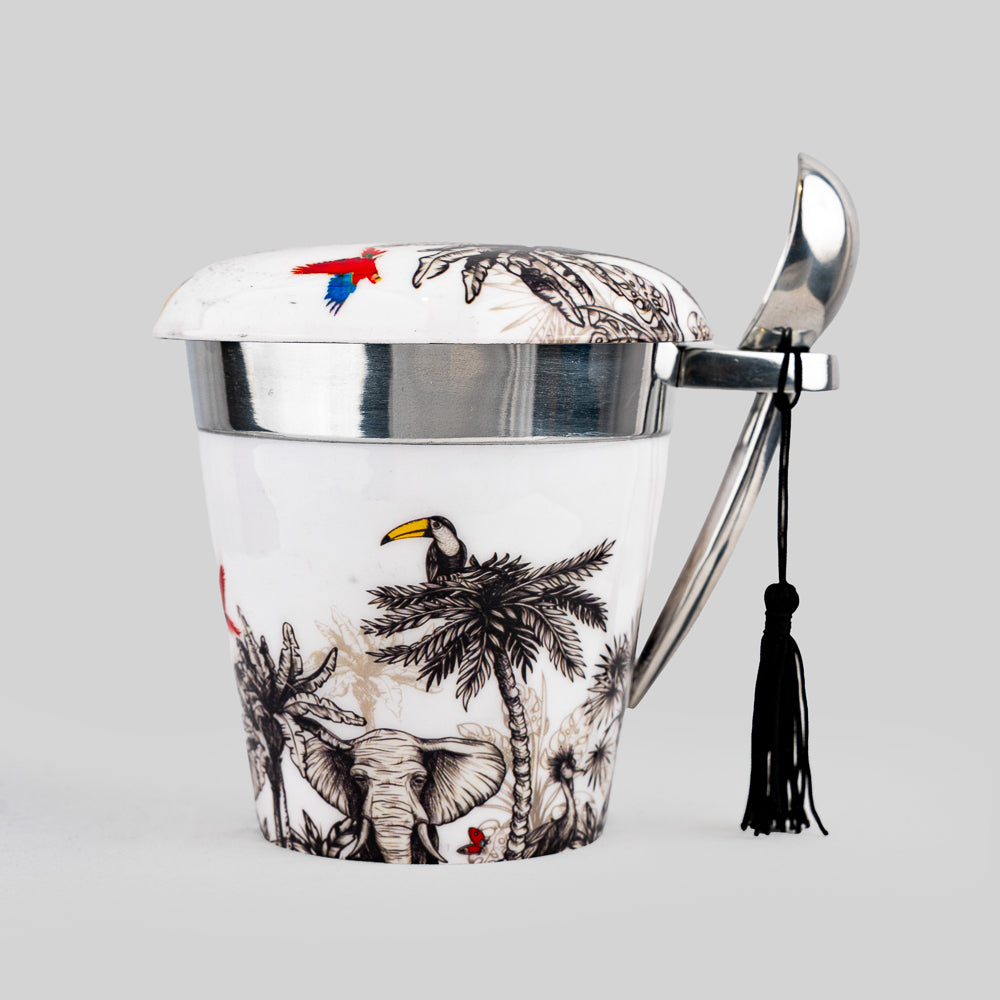
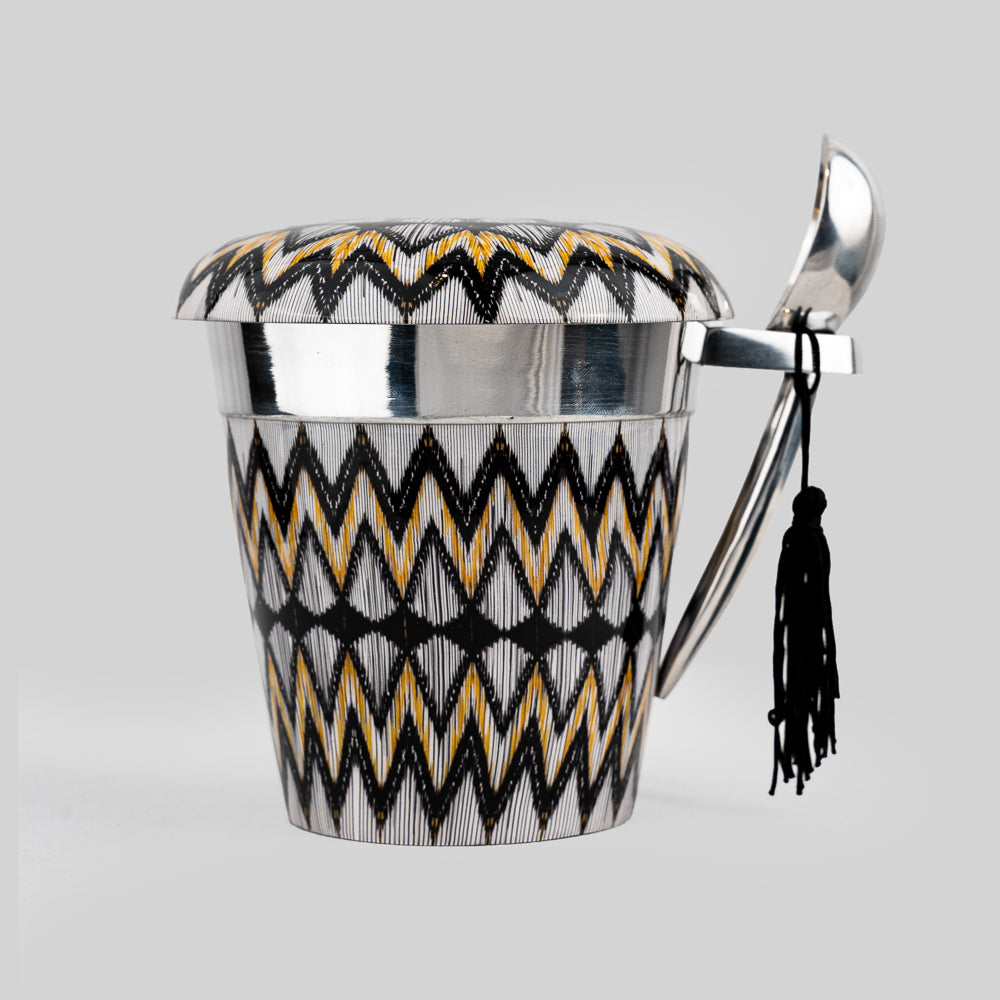
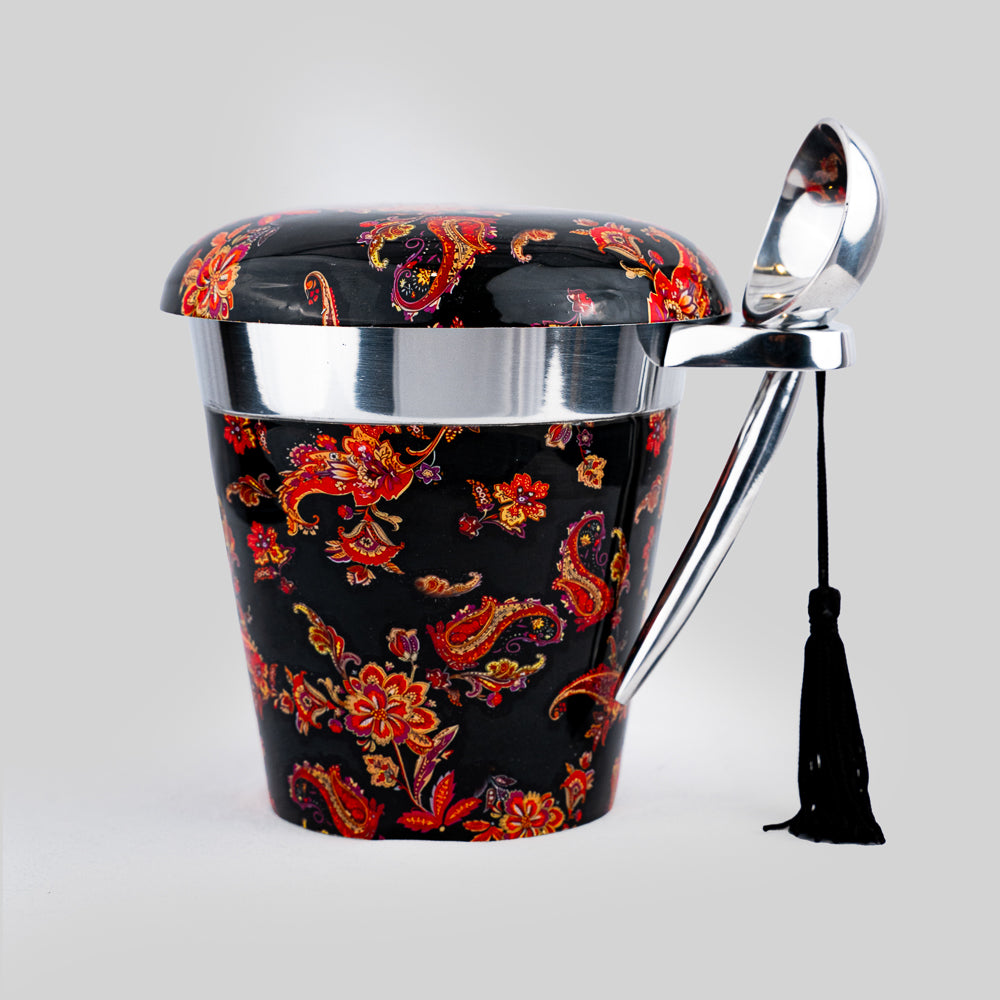
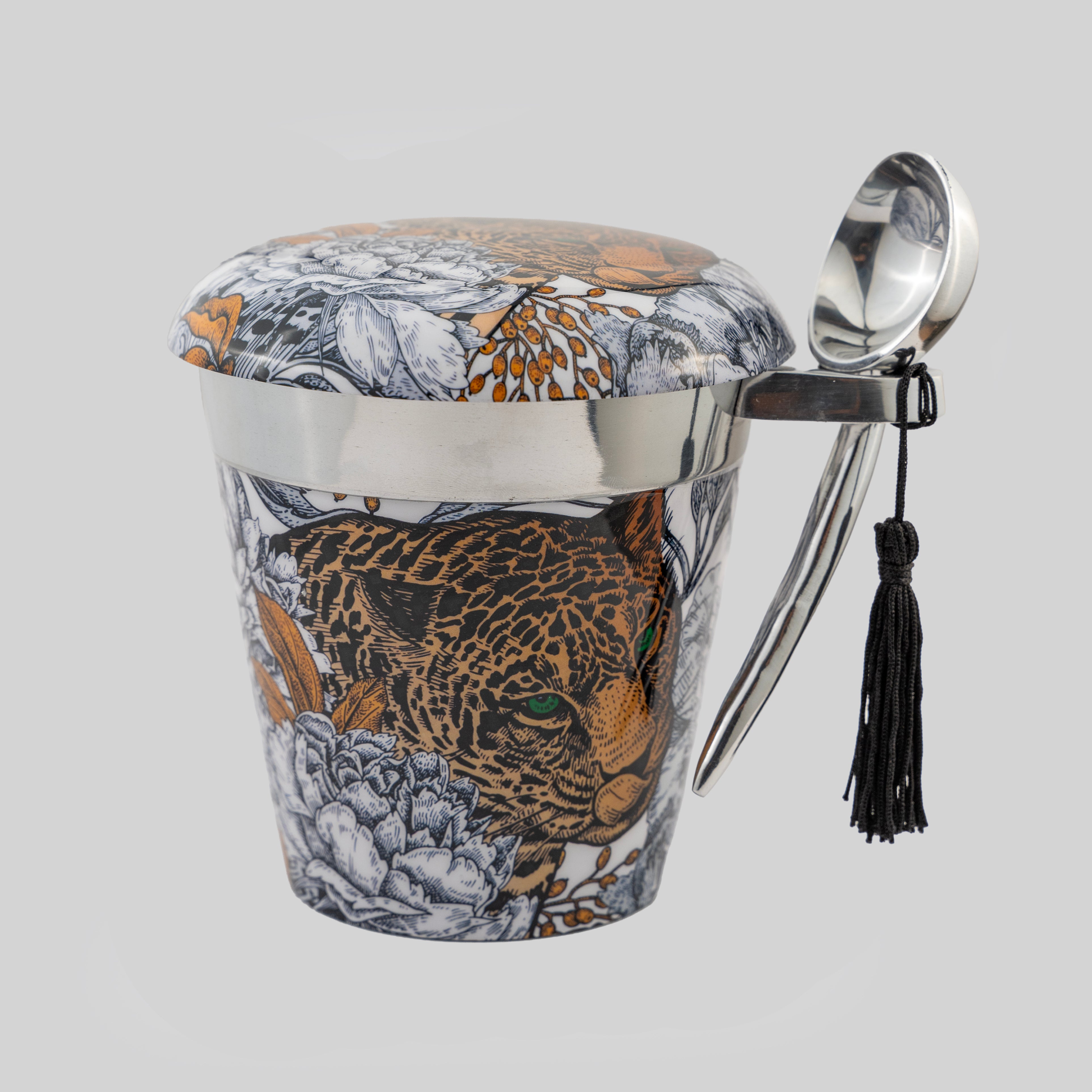
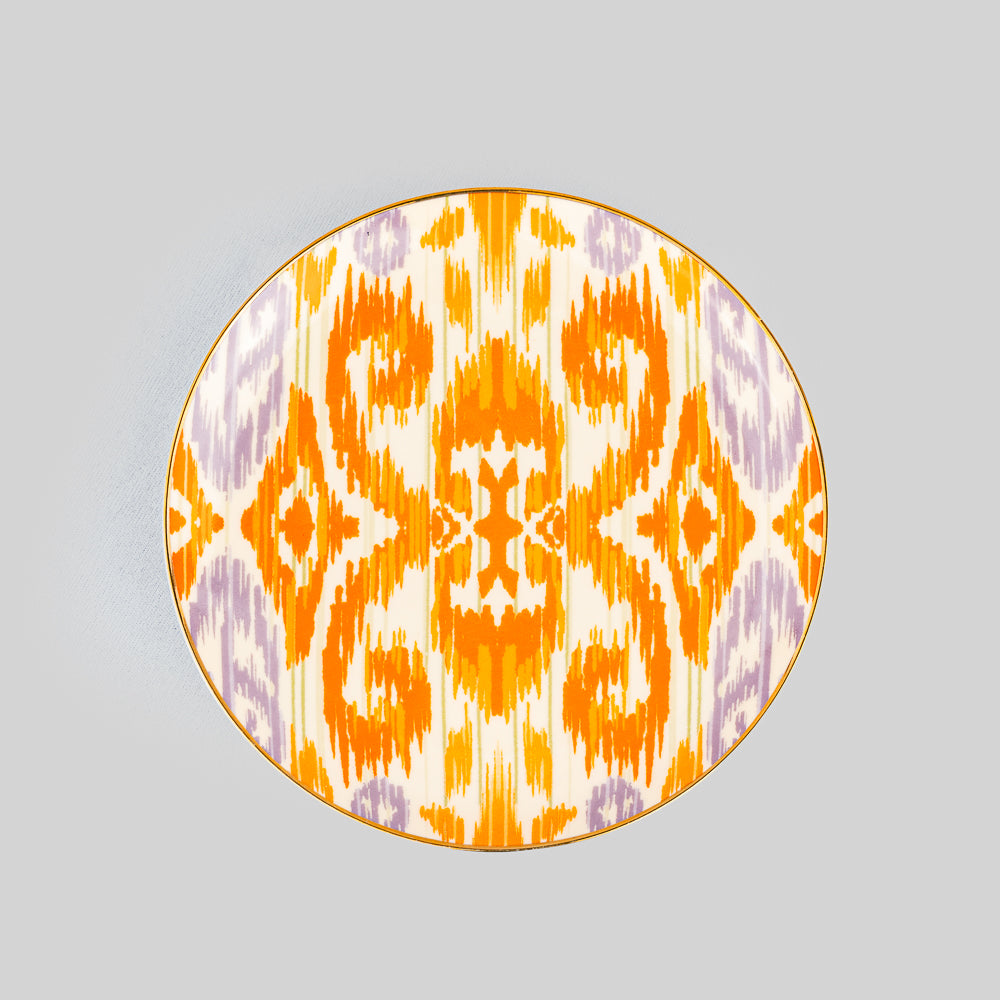
Choose a tray with enough presence to anchor the grouping. A patterned surface introduces color and personality, while a material with a refined finish can bring a more tailored note to the room. Avoid placing every accessory on a tray, though. Leave a few elements outside it so the surface retains an easy, collected quality.
Let Function Shape How You Style a Dining Sideboard
The best dining room decor earns its place. If you regularly host, reserve part of the sideboard for the things guests might need: water glasses, a carafe, serving utensils, or a beautifully arranged drinks station. During a holiday meal, it can become a graceful buffet for starters, desserts, or coffee service.
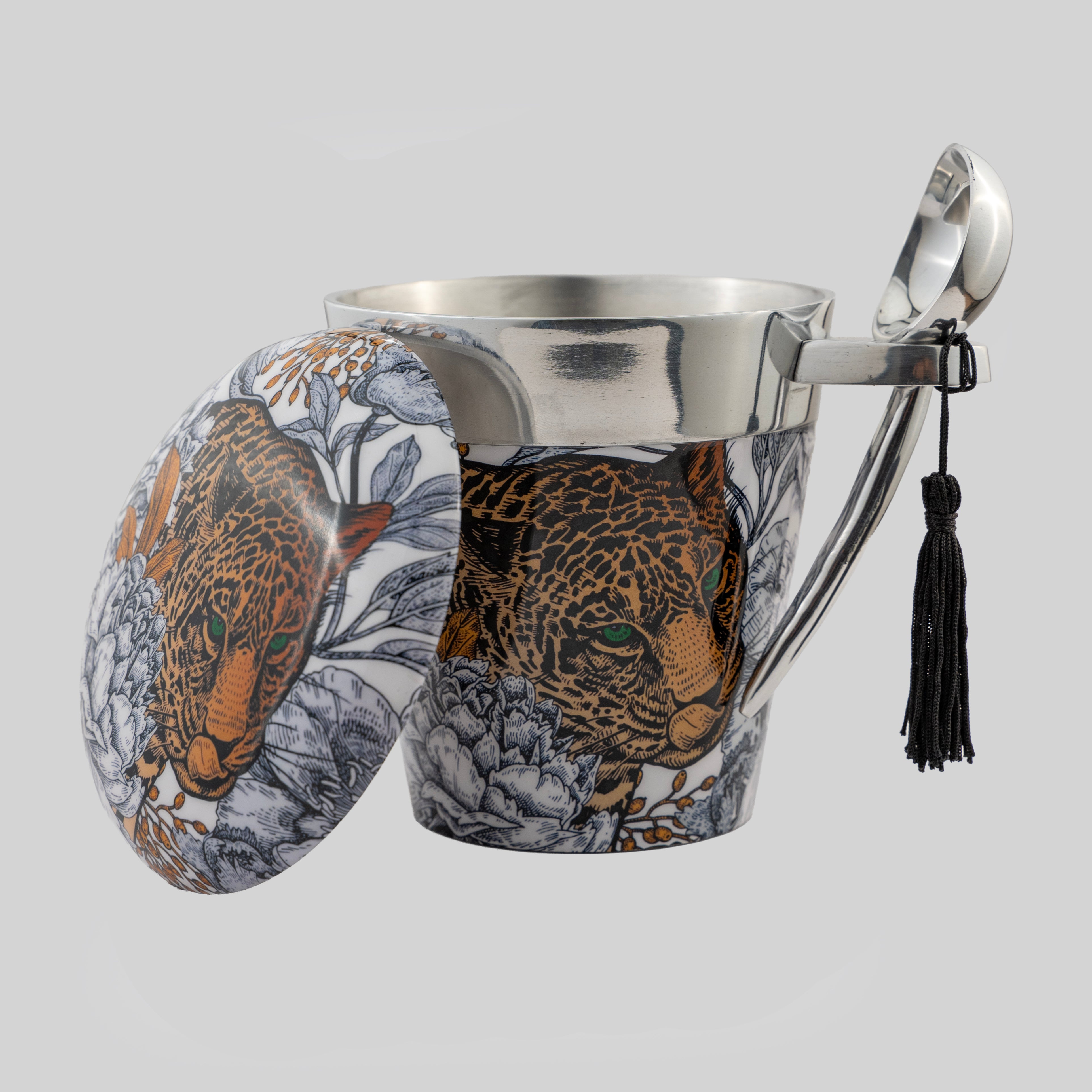
This is where distinctive serveware is especially effective. A platter displayed upright on a stand can read like artwork until it is needed at the table. A bowl can hold fresh citrus, wrapped sweets, or simply remain empty as a sculptural accent. Horn-handled servers, elegant drinkware, and a tea or coffee set bring richness to the scene while remaining close at hand for the next gathering.
Do not mistake functional for crowded. Keep at least one open area of the top clear, especially if the sideboard is likely to be used during meals. That negative space makes the display feel luxurious, and it gives you room to set down a bottle of wine or a dish without rearranging the entire composition.
Choose a Palette That Belongs to the Dining Room
A sideboard should relate to the room, not look like a separate showroom display. Pull two or three colors from nearby elements - upholstered chairs, a rug, artwork, curtains, or dinnerware - and repeat them in small, confident doses. This may mean amber glass beside warm wood, deep green accents near botanical art, or crisp ivory ceramics against a dark sideboard.
Materials create cohesion just as effectively as color. Glass lends lightness, especially in smaller or darker rooms. Wood and woven details bring warmth. Metal candleholders or frame edges add a polished note. Ceramic and stone ground the arrangement with quiet substance. Mixing finishes is encouraged, but give them a common thread: perhaps all the pieces have warm undertones, or each includes a hand-finished, artisanal feel.
If your dining room already has pattern, choose simpler sideboard accents and let texture do the work. If the room is neutral and minimal, a printed tray, richly colored glassware, or expressive tabletop pieces can provide the story. Tyetye’s approach to tabletop styling is especially relevant here: objects become more compelling when they are both beautiful to look at and made for shared rituals.
Add Life, But Keep It Effortless
Flowers make a dining sideboard feel immediately hospitable, but they do not need to be formal. A single branch with an interesting silhouette can be more striking than a dense bouquet. Seasonal foliage, loose tulips, dried seed pods, or a bowl of artichokes and pears can all introduce color and life without making the space feel overworked.
Pay attention to fragrance if the sideboard is near where people eat. Strongly scented flowers and candles may compete with a meal, so opt for unscented taper candles or a subtle, clean fragrance. Candlelight remains one of the simplest ways to shift a room from everyday dining to an occasion. Group candles at varied heights, but keep flames away from art, branches, and curtains.
A personal detail prevents the arrangement from feeling impersonal. A framed photograph, a small object collected on a trip, or a vintage serving piece gives guests a glimpse of the home behind the styling. Limit these sentimental pieces to one or two. They are most powerful when given room to be noticed.
Edit the Arrangement From a Guest’s Point of View
After styling, step back to the doorway and ask a few practical questions. Is there one focal point, or do too many objects compete? Can you see a pleasing change in height? Does the arrangement make sense for the way you dine and entertain? Most importantly, does it leave enough space for the room to breathe?
Editing is often the detail that separates a polished sideboard from a crowded one. Remove duplicate objects, especially several small decorative pieces with no clear purpose. If you have three tiny vases, use one. If a stack of books is adding height but feels unrelated to the dining room, replace it with a platter, a box for matches, or a meaningful frame.
Refresh the surface with the season rather than rebuilding it each month. Keep your foundational elements - art, lamp, mirror, or large tray - and shift the flowers, candle colors, linens, and small accents. In autumn, add warm glass and sculptural branches. For spring, introduce fresh greens and lighter ceramics. For celebratory dinners, bring forward your most expressive serveware and polished glassware.
A beautifully styled sideboard should never feel too precious to use. Let it hold the pieces that make a meal feel generous, gather a little candlelight at dusk, and offer guests a glimpse of the care behind every place you set.