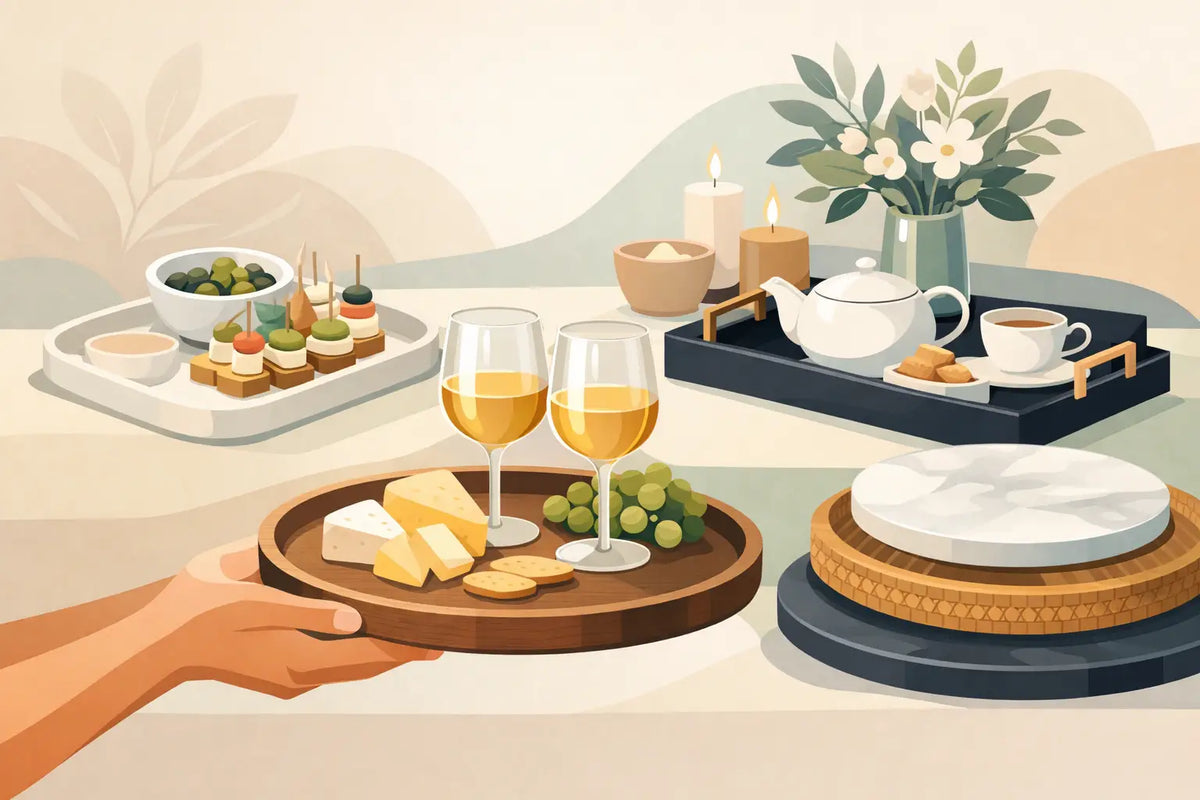
A dinner table can be beautifully styled long before the first course arrives. The plate beneath a meal sets the tone: crisp and architectural, richly patterned, quietly romantic, or luminous enough to make candlelight feel considered. This bone china dinnerware review looks beyond the familiar promise of luxury to ask what bone china truly brings to a modern home - and whether it deserves a place in the rituals you use most.
Why bone china still feels special
Bone china is prized for a quality that is difficult to reproduce with ordinary ceramic dinnerware: light passes softly through it. Hold a fine plate near a window or lamp, and its body can appear almost luminous at the edges. That translucence lends even a simple table a sense of occasion, whether you are serving saffron risotto for two or setting out dessert after a long, laughter-filled dinner.
Its name refers to the bone ash traditionally used in its composition, generally alongside porcelain clay materials. Quality varies by maker, but the result is typically a refined, vitrified ceramic that balances a delicate visual character with surprising resilience. Bone china is not merely porcelain in a prettier silhouette. It has its own warmth, creamy tone, and graceful lightness in the hand.
For design-conscious hosts, that combination matters. A plate can frame food without competing with it, yet still carry enough presence to make the table feel complete. Fine bone china is especially lovely with painted florals, detailed borders, saturated prints, or clean sculptural profiles because the material gives each design a polished foundation.
Bone China Dinnerware Review: The Case for It
The strongest reason to choose bone china is not that it announces luxury. It is that it makes everyday rituals feel more intentional without becoming too precious to use. A well-made set is often thinner and lighter than stoneware, making it comfortable to carry, stack, and serve from. At the same time, its fired body can be highly durable for a fine dinnerware material.
This is an appealing balance for homes where presentation matters but life is active. You may want a table that feels composed for a birthday brunch, yet you also want plates that do not feel cumbersome on a Tuesday night. Bone china can meet both needs when the pieces are thoughtfully made and cared for.
Its visual versatility is another advantage. White bone china is a natural partner for colored linens, textured chargers, crystal glassware, and seasonal centerpieces. Patterned bone china, on the other hand, can become the focal point of the table. It works particularly well when you prefer a collected look: a printed dinner plate with a solid side plate, an elegant napkin ring, and a serving platter that echoes one small color from the pattern.
There is also a practical pleasure in its refined proportion. Thin rims make a dinner plate feel less bulky, while a gently curved coupe shape creates a beautiful canvas for food. For hosts who care about the whole scene, from the welcome drink to the last cup of coffee, these details add up.
Strength does not mean indestructible
Bone china is often described as stronger than expected, and that is fair. Its strength comes from its composition and firing process, not from heaviness. But it is still fine ceramic. A dropped plate can chip, and sharp contact with a countertop edge can leave a mark. A dinnerware set that feels feather-light should be handled with the same confidence and care you would give a favorite wine glass.
This trade-off is worth understanding before you buy. If your household regularly needs dinnerware that can endure hurried loading, outdoor meals, or young children learning to clear the table, a heavier porcelain or stoneware set may be the easier everyday choice. Bone china is best for those who are happy to make room for a little care in exchange for a more elevated experience.
What to look for before choosing a set
Not every set labeled bone china will offer the same finish, weight, or longevity. Start with the way you actually entertain. A formal twelve-place setting is beautiful, but it may not be the right first purchase if most of your gatherings are intimate. For many homes, a core set of dinner plates, salad plates, and bowls is more useful, with serving pieces added as your table story evolves.
Pay close attention to the rim. A wide rim gives food more visual breathing room and reads as classic and formal. A narrow rim or rimless coupe plate feels more contemporary and makes a table look relaxed, especially when paired with sculptural glassware or expressive linens. Neither is inherently better. It depends on whether your style leans toward ceremonial elegance or easy, artful hosting.
Color is equally significant. Bright white bone china photographs beautifully and keeps a table flexible across seasons. Ivory or warm white feels softer and can flatter candlelit dinners. If you choose a patterned set, consider where the design sits. A border pattern leaves the center open for food, while an all-over print makes a stronger decorative statement and may be best balanced with simpler serveware.
Look for a glaze that feels smooth and even, with cleanly finished foot rings and consistent printing. Pieces should sit flat on the table without rocking. If you are choosing an open-stock collection rather than a boxed set, check that replacement pieces are likely to remain available. The practical ability to replace a single chipped salad plate makes it much easier to use your favorite dinnerware freely.
For a layered tabletop, consider bone china the elegant base rather than the entire visual conversation. A distinctive platter, a colored water glass, or a set of finely detailed coasters can introduce personality without making the setting feel overdesigned. This is the pleasure of a curated table: every object has a role, but no object has to do all the talking.
Care that protects the finish
The best care routine is simple and consistent. Many contemporary bone china collections are dishwasher-safe, but that does not automatically mean every piece belongs in the dishwasher. Metallic rims, hand-painted details, and certain decorative finishes require gentler handling. Always follow the maker's care guidance, especially for gold- or platinum-accented pieces.
When dishwashing is approved, give plates enough space that they will not knock together during the cycle. Use a mild detergent and avoid overcrowding. For handwashing, a soft sponge is all you need. Abrasive scrubbers can dull a glossy glaze and are especially unkind to decorative details.
Sudden temperature changes are the greater concern. Do not move a chilled plate directly into a hot oven, or place a hot plate under cold running water. Microwave suitability also depends on the decoration. Plain, microwave-safe bone china is practical for reheating, while metal-trimmed pieces should never go into the microwave.
Storage deserves a little attention, too. Stacking is generally fine, but felt separators or soft cloth between the most frequently used plates can help prevent surface scuffs over time. If cabinet space is limited, store your everyday pieces where they are easy to reach. Beautiful dinnerware earns its value through use, not through long stretches hidden behind cabinet doors.
Is bone china worth the investment?
Bone china is worth it when the emotional and visual return matters as much as straightforward utility. It is for the person who notices the delicate curve of a cup, who sets the table before guests arrive because anticipation is part of hosting, and who believes a weeknight meal can still deserve a beautiful plate.
It may not be the most economical choice for a large, high-impact family collection, and it is not always the best match for casual outdoor dining. But it can be an exceptional choice for a primary entertaining set, a wedding gift, a first home upgrade, or a collection built one considered piece at a time.
At Tyetye India, the most memorable tables are never only about matching plates. They are about color, texture, conversation, and the feeling that someone cared enough to make the gathering beautiful. Choose bone china if it invites you to use the good dishes more often, because the most elegant place setting is the one that makes people want to linger a little longer.