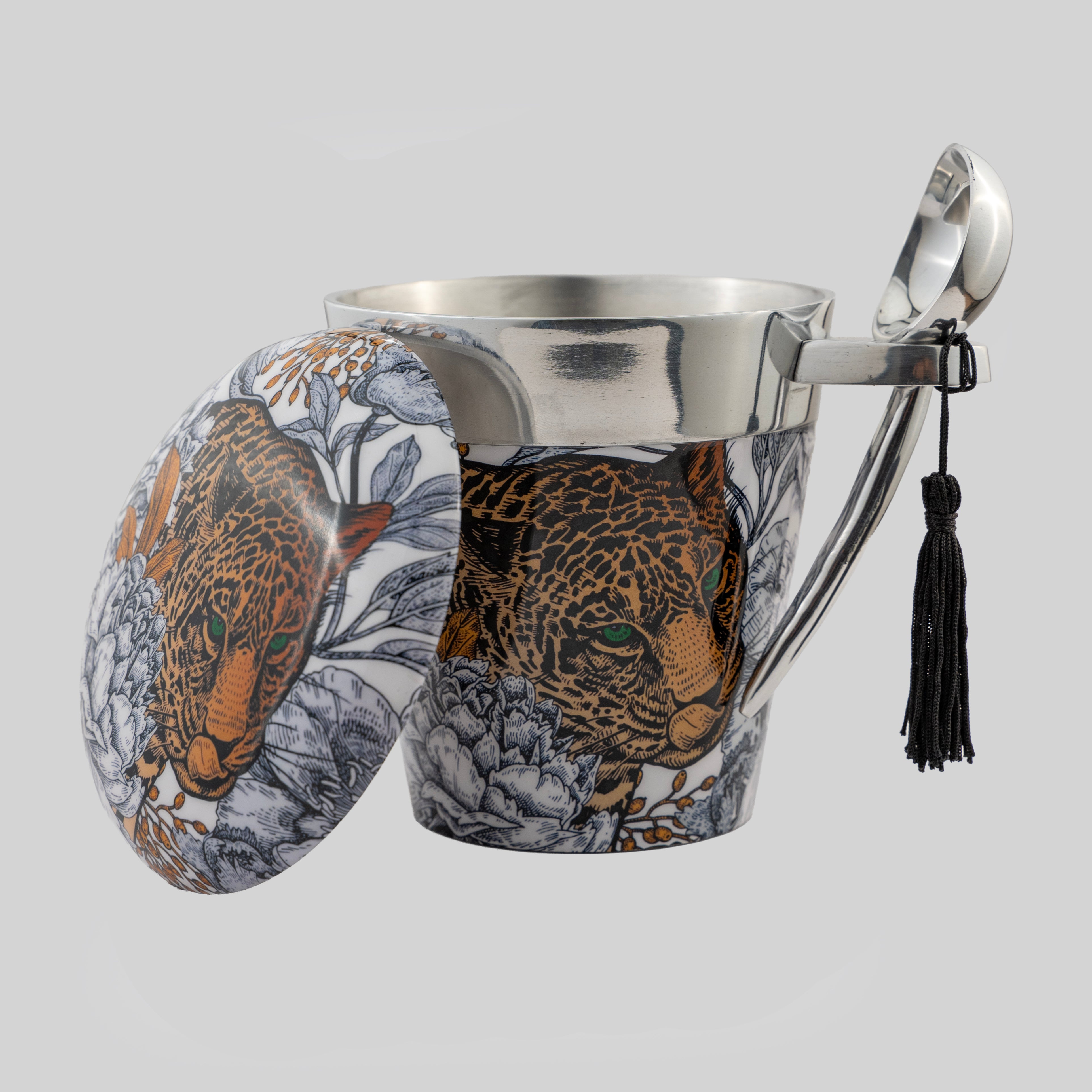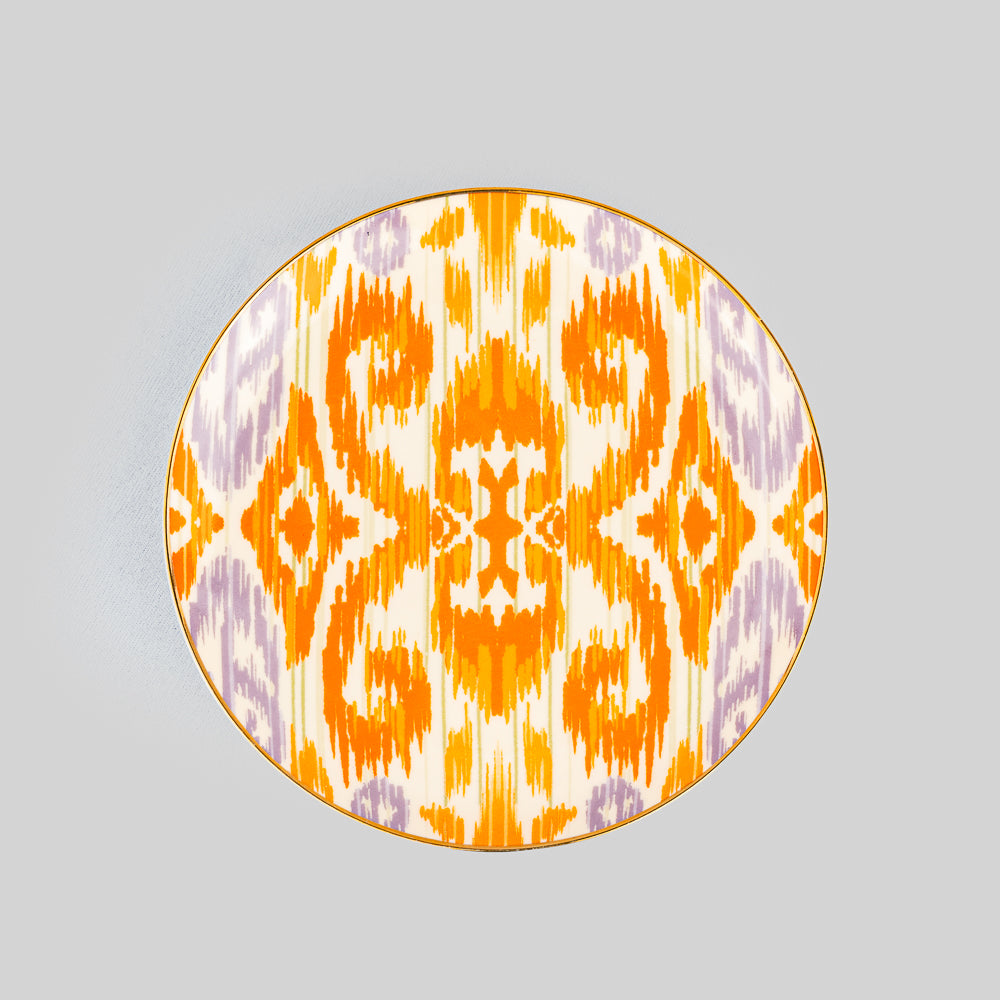


A table can feel considered before a single dish is served. The weight of a dinner plate, the soft sheen of a glazed bowl, and the way a shared meal is framed all shape the mood. Stoneware sets bring that sense of ceremony to daily dining without making it feel precious. They have a grounded, tactile presence that turns a weeknight salad, a slow Sunday breakfast, or a candlelit dinner with friends into something worth lingering over.
For a home that values beauty in the details, stoneware is more than dinnerware. It is the foundation of a table that reflects the people gathering around it.
Why Stoneware Sets Feel So Special
Stoneware is loved for its substantial feel and its quietly expressive finish. Fired at high temperatures, it is generally denser and more durable than earthenware, while retaining a warmth that finer, lighter porcelain does not always offer. The result is a material that feels artisanal even when its silhouette is clean and contemporary.
Its character often lies in the glaze. A creamy ivory surface can make a meal feel calm and sunlit. Deep forest green, midnight blue, or warm terracotta can bring drama and depth to an evening table. Reactive glazes, subtle speckling, and gently irregular edges add visual movement, which means a stoneware plate remains interesting even when the food is beautifully simple.
That versatility makes stoneware particularly compelling for hosts. It looks appropriate with linen napkins and polished glassware, yet it does not feel out of place when breakfast is served directly from the kitchen counter. It is elevated, but not distant.
Choosing Stoneware Sets for the Way You Gather
The best set is not necessarily the largest or the most decorated one. It is the one that suits the rituals of your home. Think first about the meals you serve and the atmosphere you want to create.
A couple who enjoys intimate dinners may find that a four-place setting, supplemented with a few serving bowls, offers more flexibility than a formal twelve-piece collection. A household that frequently hosts family lunches may want enough dinner plates and bowls for eight, with a few extra pieces for unexpected guests. There is no single correct count. The aim is to make hospitality feel easy rather than overly choreographed.
Start with a versatile core
A considered everyday set usually begins with dinner plates, smaller plates, and bowls. Dinner plates carry the main meal, while smaller plates can move easily from breakfast toast to dessert. Bowls are often the hardest-working pieces in the cabinet, useful for grains, pasta, soup, fruit, and shared sides.
Pay attention to proportions. Wide, low bowls lend themselves to composed pastas and restaurant-style meals, while deeper bowls are more practical for broths, curries, and generous servings. If your dining table is compact, plates with a modest rim and a slightly smaller diameter can look more balanced and leave room for glassware and serving pieces.
Let color set the atmosphere
Neutral stoneware is never a compromise. Soft white, sand, mushroom, and charcoal create a quiet backdrop that lets seasonal food, printed table linens, and sculptural serving pieces take the lead. They also allow you to change the mood of the table with small styling gestures rather than replacing the entire setting.
A color-forward set can be equally timeless when selected with intention. Consider shades that belong naturally in your home: olive near warm woods, deep blue alongside brass accents, or a blush glaze in a room with soft textiles and pale walls. The goal is not to match everything perfectly. A table feels richer when its colors appear collected rather than copied.
Consider finish, shape, and texture
Glossy stoneware catches candlelight and brings a more polished feeling to dinner. Matte finishes feel understated and architectural, though they may show utensil marks more readily over time. Speckled glazes and hand-finished edges add a relaxed, crafted note that works beautifully for long lunches and layered tablescapes.
Shape changes the personality of a place setting as much as color does. Rounded forms are welcoming and soft. Coupe-style plates, with their shallow rim or rimless profile, feel modern and make plating especially elegant. More defined rims create a classic framework and can be useful when serving saucier dishes. Choose the silhouette that feels at home with your existing glassware, flatware, and serving trays.
Styling a Table with Stoneware
A memorable table does not require every piece to match. In fact, stoneware is at its best when it becomes the visual anchor for a few thoughtful contrasts.
Begin with the plate, then build upward. A textured placemat gives a smooth-glazed set dimension, while a crisp napkin adds structure to an organic, speckled surface. Clear glassware keeps the composition airy; tinted glasses introduce a more celebratory note. A sculptural napkin ring, a patterned serving platter, or a small bowl of citrus can provide the finishing detail without crowding the table.
For daytime gatherings, pair pale stoneware with natural fibers, fresh flowers, and a relaxed arrangement of shared dishes. Let serving bowls sit in the center so guests can help themselves. The table should encourage conversation, not make people hesitant to reach for another spoonful.
For evening, the same set can become more dramatic. Add low candlelight, darker napkins, and reflective glassware. If your stoneware has a softly irregular edge or a reactive glaze, allow it to be seen. Resist covering every surface with decoration. A little negative space gives beautiful objects room to speak.
Mixing sets without making the table feel busy
Mixing stoneware collections works best when one element stays consistent. You might keep all dinner plates in the same neutral tone and introduce colored salad plates. Or choose one family of glazes in varied shades, then repeat the same glassware across each place setting.
Texture can be the connecting thread too. A matte charcoal bowl can sit comfortably on a creamy glazed plate if both share an organic, handcrafted feel. What matters is visual rhythm. Repeat a color, material, or shape often enough that the table looks composed, not accidental.
This approach is especially useful when building a collection over time. Start with a set you will use constantly, then add serving platters, small bowls, cups, and accent plates as your hosting style develops. The most personal tables rarely arrive all at once.
Care That Keeps the Finish Beautiful
Stoneware is designed for real use, but a few habits help preserve its finish. Many contemporary pieces are dishwasher and microwave safe, though care instructions should always come from the maker. Stoneware can vary by glaze, decoration, and firing process, so it is wise not to assume every piece performs the same way.
Avoid sudden temperature changes. Do not move a chilled dish directly into a hot oven, and do not place a hot plate onto a cold, wet surface. Thermal shock can cause cracking, even in durable ceramics. Oven use should be reserved for pieces explicitly labeled oven safe.
When stacking plates, consider using soft separators if the glaze is especially glossy or if you want to minimize surface scuffs. Gray utensil marks can occasionally appear on lighter glazes; these are often marks from metal flatware rather than damage to the ceramic itself. Gentle cleaning products and a nonabrasive sponge are usually the best place to start.
Small variations in glaze, color, and edge definition are often part of stoneware's appeal, particularly in artisan-inspired collections. These details make a setting feel less factory-perfect and more lived in. They are not flaws to hide, but character to enjoy.
A Set Worth Bringing Out Often
The most beautiful dinnerware should not wait for a holiday. Stoneware earns its place when it is part of the everyday rhythm: coffee shared before work, bowls passed around a crowded table, cake served after a birthday dinner, or a meal for one that still deserves a favorite plate.
Choose pieces that make you want to set the table, even when the menu is simple. When the objects around a meal carry warmth, texture, and intention, gathering becomes less about the occasion and more about the feeling you create together.